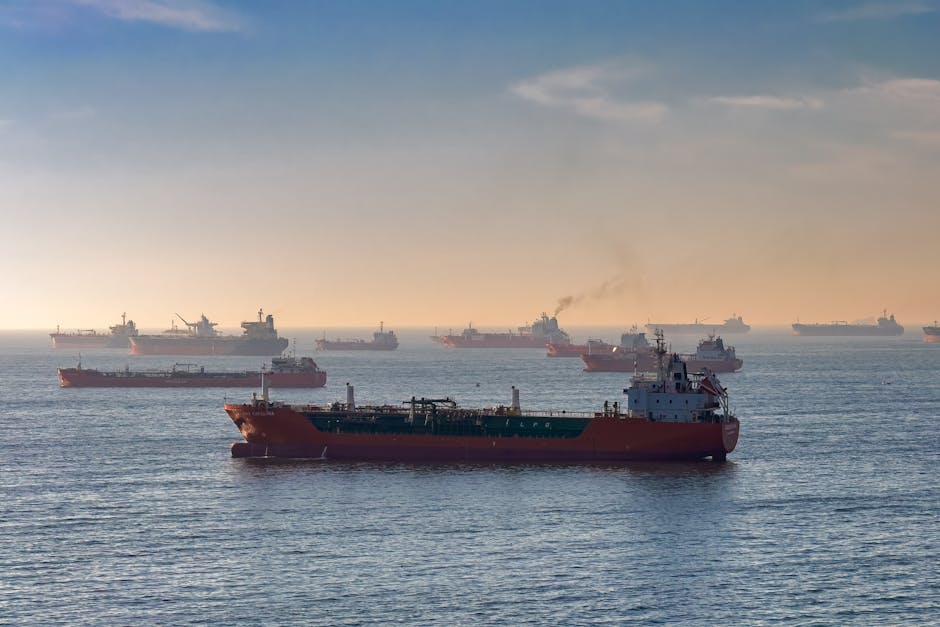
- The Strait of Hormuz is a critical waterway connecting the Persian Gulf to the Arabian Sea, with nearly a third of the world’s seaborne oil passing through it.
- The strait’s narrow width makes it a chokepoint vulnerable to disruption, with approximately 17 million barrels of oil passing through it every day.
- Escalating tensions between Iran and the US have led to a series of provocative maneuvers, including seizures of oil tankers and deployments of naval vessels.
- The conflict has halted most ships’ movements, fearing entanglement in the conflict, which has significant implications for global energy markets.
- The situation has raised concerns about the potential for a disruption to global supply chains, which could have far-reaching economic consequences.
The Strait of Hormuz, a narrow passageway connecting the Persian Gulf to the Arabian Sea, has become a focal point of escalating tensions between Iran and the United States. With nearly a third of the world’s seaborne oil passing through this critical waterway, the stakes are high. In recent weeks, the foes have engaged in a series of provocative maneuvers, including seizures of oil tankers and deployments of naval vessels, in a bid to exert control over the strait. As a result, most ships have halted their movements, fearing entanglement in the conflict. This has significant implications for global energy markets and the broader regional security landscape.
Strategic Importance of the Strait

The Strait of Hormuz is a vital artery of international trade, with approximately 17 million barrels of oil passing through it every day. The waterway is just 21 miles wide at its narrowest point, making it a chokepoint that is vulnerable to disruption. The strait’s strategic importance extends beyond its role in the global oil trade, as it also serves as a critical conduit for the shipment of goods and commodities. The current tensions in the region have raised concerns about the potential for a disruption to global supply chains, which could have far-reaching economic consequences. As the situation continues to unfold, it is essential to understand the complex geopolitical dynamics at play and the historical context that has led to this point.
Escalating Tensions and Naval Confrontations

In recent months, tensions between Iran and the United States have escalated significantly, with both sides engaging in a series of provocative actions. The U.S. has deployed additional naval vessels to the region, including aircraft carriers and destroyers, in a bid to bolster its military presence and deter Iranian aggression. Iran, meanwhile, has responded by seizing oil tankers and deploying its own naval assets to the strait. The situation took a turn for the worse in July, when Iran seized a British-flagged oil tanker, the Stena Impero, in response to the seizure of an Iranian tanker by British authorities in Gibraltar. The incident marked a significant escalation of the conflict and raised concerns about the potential for a wider war.
Causes and Consequences of the Conflict
The current conflict in the Strait of Hormuz is the result of a complex interplay of factors, including geopolitical rivalries, economic interests, and historical grievances. The U.S. withdrawal from the Joint Comprehensive Plan of Action (JCPOA), also known as the Iran nuclear deal, in 2018 marked a significant turning point in the relationship between the two countries. The subsequent imposition of economic sanctions on Iran has had a devastating impact on the country’s economy, leading to widespread poverty and discontent. The conflict in the Strait of Hormuz is, in part, a response to these economic pressures, as Iran seeks to exert its influence in the region and protect its interests. The consequences of the conflict are far-reaching, with the potential to disrupt global energy markets, destabilize the region, and draw in other international actors.
Regional Implications and Global Concerns
The conflict in the Strait of Hormuz has significant implications for the region and the world at large. The strait’s critical role in the global oil trade means that any disruption to shipping lanes could have a major impact on energy prices and the broader economy. The situation is also of concern to other countries in the region, including Saudi Arabia, the United Arab Emirates, and Iraq, which rely heavily on the strait for their oil exports. As the conflict continues to escalate, there is a growing risk of a wider war, which could draw in other international actors and have catastrophic consequences for the region and the world.
Expert Perspectives
Experts are divided on the best course of action to resolve the conflict in the Strait of Hormuz. Some argue that a diplomatic solution is the only way to prevent a wider war, while others believe that a more robust military response is necessary to deter Iranian aggression. According to Dr. Sanam Vakil, a specialist in Middle East politics at Chatham House, “the situation in the Strait of Hormuz is a classic example of a security dilemma, where one side’s efforts to increase its security are perceived as a threat by the other side.” She argues that a diplomatic solution is essential to preventing a wider conflict and promoting regional stability.
As the situation in the Strait of Hormuz continues to unfold, it is essential to watch for signs of escalation or de-escalation. The international community will be closely monitoring the actions of both Iran and the United States, as well as the responses of other regional actors. One key question is whether the conflict will spread to other parts of the region, or if it can be contained within the strait. The answer to this question will depend on a variety of factors, including the actions of regional actors, the effectiveness of diplomatic efforts, and the willingness of the international community to engage in the conflict. As the situation continues to evolve, one thing is clear: the stakes are high, and the consequences of failure could be catastrophic.