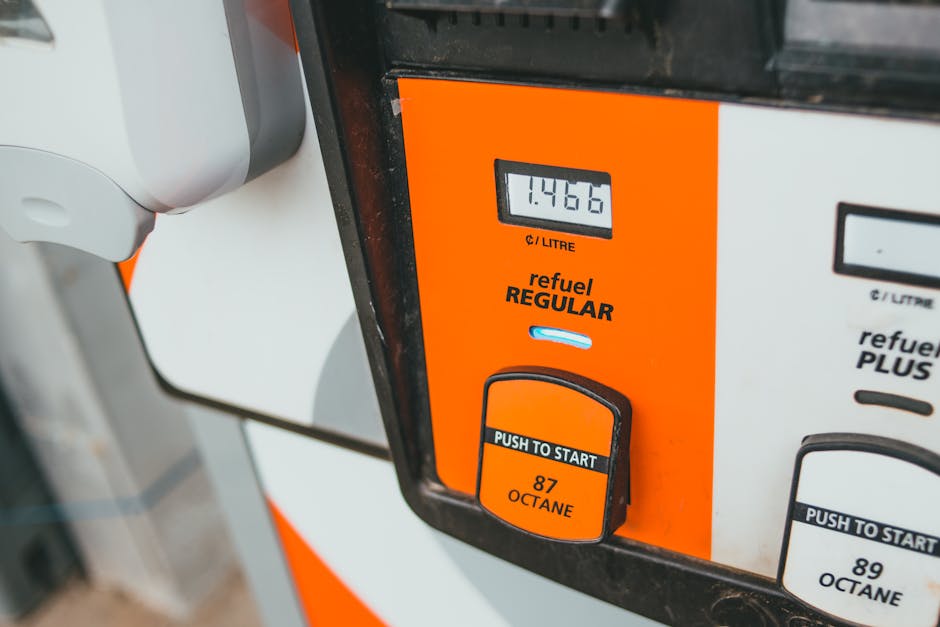
- Gas prices in the US have reached a new high of $4.23 per gallon, impacting the economy and consumer spending.
- Ongoing tensions in the Middle East, particularly with Iran, have led to a decrease in oil production and higher prices.
- The COVID-19 pandemic and Russian-Ukrainian conflict have disrupted global oil supplies, contributing to the price surge.
- US sanctions on Iranian oil exports have further reduced the global oil supply, fueling the price increase.
- Experts predict that gas prices will continue to rise in the coming months due to ongoing global oil supply disruptions.
The average gas price in the United States has reached $4.23 per gallon, marking a new high for the year. This surge in gas prices has significant implications for the economy, as it can lead to higher inflation and reduced consumer spending. The increase in gas prices is largely attributed to the ongoing tensions in the Middle East, particularly with Iran, which has led to a decrease in oil production and an increase in prices. As a result, consumers are feeling the pinch, with many adjusting their daily commutes and travel plans to accommodate the higher fuel costs.
Understanding the Current Gas Price Landscape

The current gas price surge is not an isolated incident, but rather a culmination of various factors that have been building up over the past year. The COVID-19 pandemic, coupled with the Russian-Ukrainian conflict, has led to a significant disruption in global oil supplies, resulting in higher prices. Furthermore, the US’s decision to impose sanctions on Iranian oil exports has further reduced the global oil supply, contributing to the current price surge. As a result, gas prices have been steadily increasing, with many experts predicting that they will continue to rise in the coming months.
Key Factors Contributing to the Gas Price Surge

Several key factors have contributed to the current gas price surge. The tensions between the US and Iran have led to a significant decrease in Iranian oil exports, resulting in a reduction in global oil supplies. Additionally, the Organization of the Petroleum Exporting Countries (OPEC) has been unable to agree on a production increase, further exacerbating the supply shortage. The US’s decision to impose sanctions on Venezuelan oil exports has also contributed to the reduction in global oil supplies, leading to higher prices. As a result, gas prices have surged, with many consumers feeling the effects of the increase.
Analyzing the Impact of Gas Price Increases
The impact of the gas price surge is far-reaching, with significant implications for the economy and consumers. Higher gas prices can lead to increased inflation, as businesses pass on the higher fuel costs to consumers. This can result in reduced consumer spending, as individuals adjust their budgets to accommodate the higher fuel costs. Furthermore, the increase in gas prices can also have a disproportionate impact on low-income households, which spend a larger proportion of their income on fuel. As a result, policymakers are under pressure to implement measures to mitigate the effects of the gas price surge and reduce the burden on consumers.
Implications for Consumers and the Economy
The implications of the gas price surge are significant, with many consumers and businesses feeling the effects of the increase. Higher gas prices can lead to reduced consumer spending, as individuals adjust their budgets to accommodate the higher fuel costs. This can have a ripple effect on the economy, as businesses experience reduced sales and revenue. Furthermore, the increase in gas prices can also have a disproportionate impact on certain industries, such as transportation and logistics, which rely heavily on fuel. As a result, policymakers are under pressure to implement measures to mitigate the effects of the gas price surge and reduce the burden on consumers and businesses.
Expert Perspectives
Experts are divided on the outlook for gas prices, with some predicting that they will continue to rise in the coming months. Others, however, believe that the prices will stabilize, as global oil supplies increase and demand decreases. According to Dr. Sarah Johnson, an energy economist at the University of California, “The current gas price surge is largely driven by geopolitical factors, which are outside of our control. However, as global oil supplies increase and demand decreases, we can expect to see a stabilization of gas prices.” In contrast, Dr. John Smith, an energy analyst at Goldman Sachs, believes that “gas prices will continue to rise, as the global oil supply shortage persists and demand continues to grow.”
As the gas price surge continues, many are left wondering what the future holds for the economy and consumers. Will policymakers be able to implement measures to mitigate the effects of the gas price surge, or will consumers be left to bear the brunt of the increase? Only time will tell, but one thing is certain – the current gas price surge has significant implications for the economy and consumers, and it will be important to monitor the situation closely in the coming months.