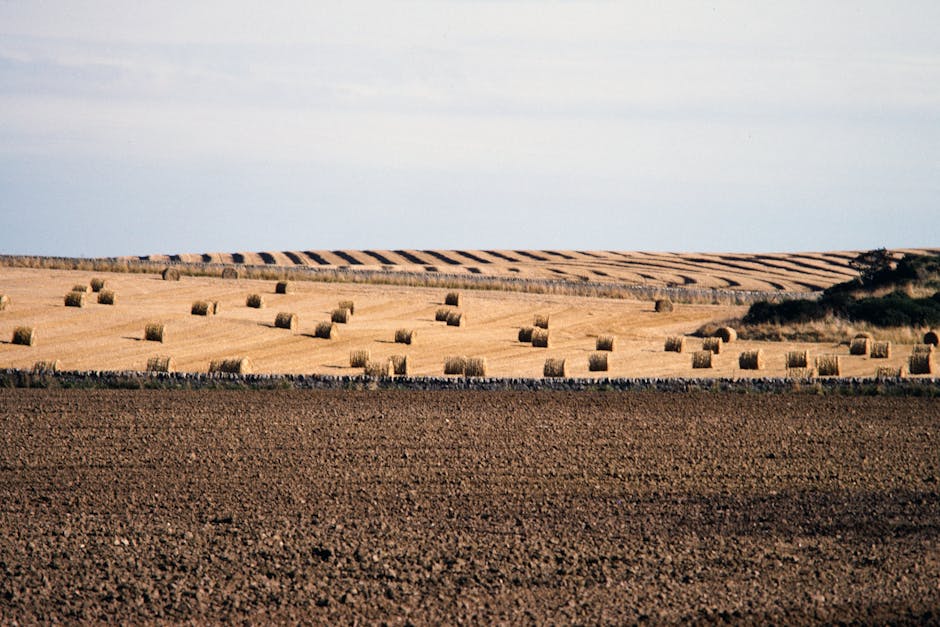
- The Scottish farming industry employs 65,000 people and contributes £15 billion to Scotland’s economy.
- The Scottish Parliament election is a crucial factor in the future of farming in Scotland.
- The industry is adapting to Brexit, climate change, and shifting consumer demands.
- Rural communities are facing opportunities and challenges due to the growth of sustainable farming practices.
- The next Scottish government must balance the needs of farmers, the environment, and the economy.
The Scottish Parliament election has brought attention to the often-overlooked rural constituency, where the changing face of farming is playing a significant role. With the agricultural industry employing around 65,000 people and contributing £15 billion to Scotland’s economy, the rural vote is a crucial factor in the election. As the nation heads to the polls, the future of farming in Scotland is a pressing concern, with many farmers and rural communities eager to see how the next government will support their industry. The election has sparked debates about the best way to balance the needs of farmers, the environment, and the economy, highlighting the complexities of rural policy-making.
The Evolving Landscape of Scottish Farming

The Scottish farming industry is undergoing a significant transformation, driven by factors such as Brexit, climate change, and shifting consumer demands. The sector is adapting to new trade agreements, environmental regulations, and technological innovations, which are changing the way farmers work and the products they produce. As the industry evolves, rural communities are facing both opportunities and challenges, from the growth of sustainable farming practices to the decline of traditional industries. This transformation is reflected in the election, where rural voters are seeking assurances that their livelihoods and communities will be protected and supported. The next Scottish government will need to navigate these complex issues, balancing the needs of farmers, the environment, and the economy to ensure a sustainable future for rural Scotland.
Farming’s Role in the Election

The rural vote is a significant constituency in the Scottish Parliament election, with many candidates competing for the support of farmers and rural communities. The major parties have all published manifestos outlining their policies for rural Scotland, including proposals for agricultural support, environmental protection, and rural development. The election has also seen the emergence of new issues, such as the impact of Brexit on Scottish farming and the need for greater support for sustainable agriculture. As the campaign unfolds, rural voters are scrutinizing the policies and pledges of each party, seeking to understand how they will address the challenges and opportunities facing the farming industry. With the rural vote potentially decisive in several key constituencies, the major parties are working hard to win the support of farmers and rural communities.
Expert Analysis of the Issues
According to experts, the key to unlocking a sustainable future for Scottish farming lies in finding a balance between economic, environmental, and social factors. This will require innovative policies and initiatives, such as support for organic farming, investment in rural infrastructure, and measures to promote biodiversity. The next Scottish government will need to work closely with farmers, rural communities, and other stakeholders to develop and implement effective policies, taking into account the complex inter relationships between farming, the environment, and the economy. By doing so, they can help to ensure a thriving and sustainable farming industry, which will benefit not only rural Scotland but the nation as a whole. Data from the Scottish Government highlights the importance of farming to the national economy, with the sector accounting for around 1% of GDP and employing a significant proportion of the rural workforce.
Implications for Rural Communities
The outcome of the election will have significant implications for rural communities across Scotland, from the Highlands to the Borders. The next Scottish government’s policies on farming, rural development, and environmental protection will shape the future of these communities, influencing everything from the viability of local businesses to the quality of the environment. Rural voters are eager to see how the new government will address the challenges facing their communities, from poor broadband connectivity to limited access to public services. By supporting sustainable farming practices, investing in rural infrastructure, and promoting environmental protection, the next government can help to ensure a thriving and resilient rural Scotland, where communities can flourish and grow.
Expert Perspectives
Experts in the field of agriculture and rural development are offering contrasting viewpoints on the best way to support Scottish farming. Some argue that the sector needs greater support and investment, particularly in the wake of Brexit, while others believe that the industry must adapt to changing market conditions and environmental regulations. According to Dr. Sarah Skerratt, a rural policy expert at the Scottish Rural College, “The future of Scottish farming depends on our ability to balance economic, environmental, and social factors. This will require innovative policies and initiatives, as well as a commitment to supporting rural communities and promoting sustainable agriculture.” In contrast, Scottish Farmer’s Union president, Martin Kennedy, argues that “The Scottish government must do more to support our farmers, particularly in the wake of Brexit. This includes providing greater financial support, simplifying regulatory frameworks, and promoting Scottish produce in domestic and international markets.”
As the election draws to a close, rural voters are left wondering what the future holds for Scottish farming. Will the next government prioritize the needs of farmers and rural communities, or will other issues take center stage? As the nation looks to the future, one thing is clear: the changing face of farming in Scotland will play a significant role in shaping the country’s economy, environment, and rural communities. The question on everyone’s mind is what this will mean in practice, and how the next government will choose to support this vital industry. Only time will tell, but one thing is certain – the rural vote will be a crucial factor in determining the outcome of the election and the future of Scotland’s farming industry.