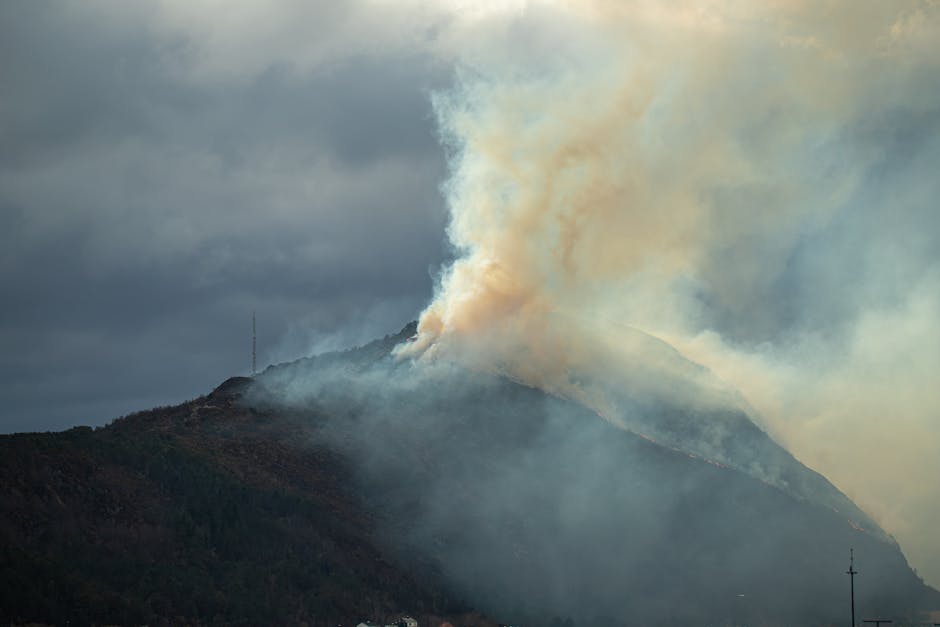
- Europe experienced record-breaking wildfires and heatwaves in 2025, driven by extreme weather conditions.
- The alarming rise in temperatures, coupled with droughts, created a perfect storm for wildfires to spread rapidly.
- The consequences of these events are far-reaching, impacting both the environment and human health.
- Europe is particularly vulnerable to climate change due to its unique geography and climate.
- The events of 2025 serve as a stark reminder of the need for urgent action to mitigate climate change effects.
The year 2025 will be remembered as one of the most devastating for Europe’s environment, with record-breaking wildfires and heatwaves sweeping across the continent. According to recent data, the extreme weather conditions led to a significant increase in wildfire emissions, surpassing previous records. The alarming rise in temperatures, coupled with prolonged droughts, created a perfect storm for wildfires to spread rapidly, leaving a trail of destruction in their wake. The consequences of these events are far-reaching, with impacts on both the environment and human health. As the fastest-warming continent, Europe is particularly vulnerable to the effects of climate change, and the events of 2025 serve as a stark reminder of the need for urgent action to mitigate its effects.
Background: Europe’s Vulnerability to Climate Change

Europe’s unique geography and climate make it susceptible to the impacts of global warming. The continent’s proximity to the Arctic, combined with its varied landscape and climate zones, creates a complex system that is highly sensitive to changes in temperature and precipitation patterns. As the planet continues to warm, Europe is experiencing more frequent and intense heatwaves, droughts, and heavy rainfall events. The consequences of these events are multifaceted, ranging from devastating wildfires and floods to disruptions in food production and human migration. The record-breaking heatwaves and wildfires of 2025 are a clear indication that Europe is on the frontlines of climate change, and the need for adaptive measures to protect its citizens and ecosystems has never been more pressing.
Key Details: The 2025 Wildfire Season

The 2025 wildfire season in Europe was marked by several notable events, including a three-week hot spell that saw temperatures soar to 30°C inside the Arctic circle. This unprecedented heatwave, combined with strong winds and dry conditions, created a fertile ground for wildfires to spread rapidly. The worst-affected regions were the Mediterranean countries, where large areas of land were scorched, and thousands of people were forced to evacuate their homes. The economic impacts of the wildfires were also significant, with estimated damages running into billions of euros. The response efforts were led by local authorities, with support from the European Union and other international organizations. Despite the challenges, the bravery and resilience of the firefighters and emergency responders who battled the blazes were a testament to the strength and solidarity of the European community.
Analysis: Causes and Effects of the Wildfires
The causes of the 2025 European wildfires are complex and multifaceted, involving a combination of natural and human-induced factors. Climate change, with its associated rise in temperatures and changes in precipitation patterns, is a primary driver of the increase in wildfire risk. Human activities, such as land-use changes, agricultural practices, and arson, also play a significant role in the ignition and spread of wildfires. The effects of the wildfires are far-reaching, with impacts on the environment, human health, and the economy. The release of greenhouse gases and particulate matter into the atmosphere exacerbates climate change, while the destruction of natural habitats and ecosystems can have long-lasting consequences for biodiversity. The economic costs of the wildfires, including the loss of property and infrastructure, are also significant, highlighting the need for proactive measures to prevent and mitigate the effects of these events.
Implications: A Continent on High Alert
The record-breaking wildfires and heatwaves of 2025 have put Europe on high alert, with the continent bracing itself for more frequent and intense climate-related disasters. The implications of these events are profound, with impacts on the environment, human health, and the economy. The need for urgent action to reduce greenhouse gas emissions and adapt to the changing climate is clear, and European leaders are under increasing pressure to deliver on their climate commitments. The development of proactive strategies to prevent and mitigate the effects of wildfires, including sustainable land-use practices, wildfire management plans, and climate-resilient infrastructure, is critical to protecting the continent’s citizens and ecosystems. As the world looks to Europe as a leader in climate action, the response to the 2025 wildfires will be a defining moment in the continent’s efforts to combat climate change.
Expert Perspectives
Experts warn that the 2025 European wildfires are a harbinger of things to come, with climate change projected to increase the frequency and intensity of these events. “The science is clear: climate change is driving the increase in wildfire risk, and we need to take urgent action to reduce our greenhouse gas emissions and adapt to the changing climate,” said Dr. Maria Rodriguez, a leading climate scientist. “The European Union has a critical role to play in leading the global response to climate change, and the development of proactive strategies to prevent and mitigate the effects of wildfires is essential to protecting the continent’s citizens and ecosystems.” Other experts emphasize the need for a coordinated approach to wildfire management, involving local communities, governments, and international organizations. “The 2025 wildfires demonstrate the importance of cooperation and solidarity in the face of climate-related disasters,” said Professor John Taylor, a wildfire expert. “By working together, we can develop effective strategies to prevent and respond to these events, and build a more resilient and sustainable future for Europe.”
As the world looks to the future, one thing is clear: the 2025 European wildfires are a wake-up call for climate action. The question on everyone’s mind is: what’s next? Will European leaders deliver on their climate commitments, and will the continent be able to adapt to the changing climate? The answer will depend on the actions taken in the coming years, but one thing is certain: the clock is ticking, and the need for urgent action has never been more pressing. As the European community comes together to rebuild and recover from the devastating impacts of the 2025 wildfires, the world will be watching, hoping that the continent will emerge stronger, more resilient, and more determined than ever to combat the challenges of climate change.