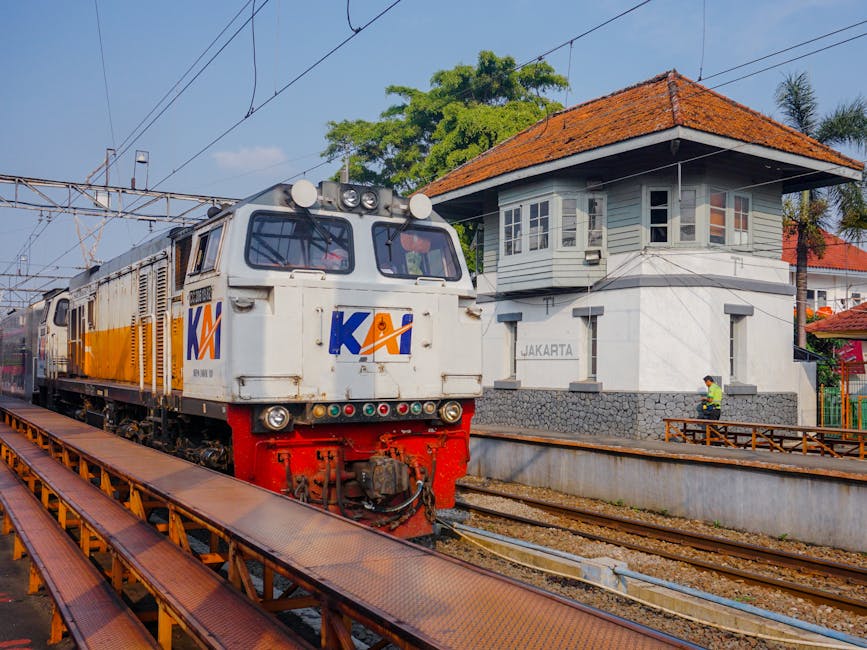
A devastating train crash in western Indonesia has resulted in a significant loss of life, with at least 14 people confirmed dead and another 84 injured, according to the country’s train operator. The collision, which involved two trains, is one of the most severe rail accidents to occur in the region in recent years. As rescue efforts continue, authorities are working to determine the cause of the crash and provide support to those affected. The incident serves as a stark reminder of the importance of rail safety and the need for continued investment in infrastructure to prevent such tragedies.
Background and Context

The train crash in Indonesia is a stark reminder of the risks associated with the country’s rail network. With a large and growing population, Indonesia relies heavily on its trains to transport people and goods across the archipelago. However, the network is often plagued by aging infrastructure, inadequate maintenance, and human error, which can lead to accidents. In recent years, there have been several high-profile train crashes in Indonesia, resulting in significant loss of life and highlighting the need for improved safety measures. As the country continues to develop its rail network, it is essential that safety remains a top priority to prevent such incidents from occurring in the future.
Details of the Crash

According to reports, the train crash occurred when two trains collided in western Indonesia, resulting in significant damage and loss of life. The incident happened at a time when many people were traveling for work or other purposes, which may have contributed to the high number of casualties. Authorities have confirmed that at least 14 people were killed in the crash, with another 84 injured, many of whom were taken to local hospitals for treatment. The cause of the crash is currently under investigation, but it is believed that human error or a technical fault may have played a role. As more information becomes available, it is likely that a clearer picture of the events leading up to the crash will emerge.
Analysis and Investigation
The investigation into the train crash in Indonesia is ongoing, with authorities working to determine the cause of the incident and identify any factors that may have contributed to it. Preliminary reports suggest that human error or a technical fault may have played a role, but it is too early to say for certain. Data from similar incidents in the past suggests that a combination of factors, including inadequate training, poor maintenance, and insufficient safety protocols, can contribute to train crashes. Experts have called for a thorough and transparent investigation into the incident, which should include a review of safety procedures and protocols to prevent similar incidents from occurring in the future. By examining the causes of the crash and implementing measures to address them, Indonesia can work towards improving the safety of its rail network and reducing the risk of such incidents.
Implications and Aftermath
The train crash in Indonesia has significant implications for the country’s rail network and the people who rely on it. The incident has resulted in a considerable loss of life and has left many more injured, which will have a lasting impact on families and communities. In addition to the human cost, the crash is also likely to have economic implications, as the rail network plays a critical role in transporting goods and people across the country. As authorities work to respond to the incident and support those affected, there will be a need for a thorough review of safety procedures and protocols to prevent similar incidents from occurring in the future. This may involve investing in new infrastructure, improving training for staff, and implementing more robust safety measures to reduce the risk of accidents.
Expert Perspectives
Experts have offered differing perspectives on the train crash in Indonesia, with some highlighting the need for improved safety measures and others emphasizing the importance of investing in infrastructure. According to one expert, the incident is a “wake-up call” for the Indonesian government, which must take immediate action to address the safety concerns on the country’s rail network. Another expert has called for a more nuanced approach, recognizing that the causes of the crash are likely to be complex and multifaceted. By considering a range of viewpoints and perspectives, it is possible to gain a deeper understanding of the incident and identify potential solutions to prevent similar incidents from occurring in the future.
As the investigation into the train crash continues, there are many questions that remain unanswered. What were the underlying causes of the incident, and how can they be addressed to prevent similar incidents from occurring in the future? What support will be provided to those affected by the crash, and how will the Indonesian government respond to the incident? As more information becomes available, it is likely that a clearer picture will emerge of the events leading up to the crash and the steps that can be taken to improve rail safety in Indonesia. For now, the incident serves as a stark reminder of the importance of prioritizing safety and investing in infrastructure to prevent such tragedies from occurring.