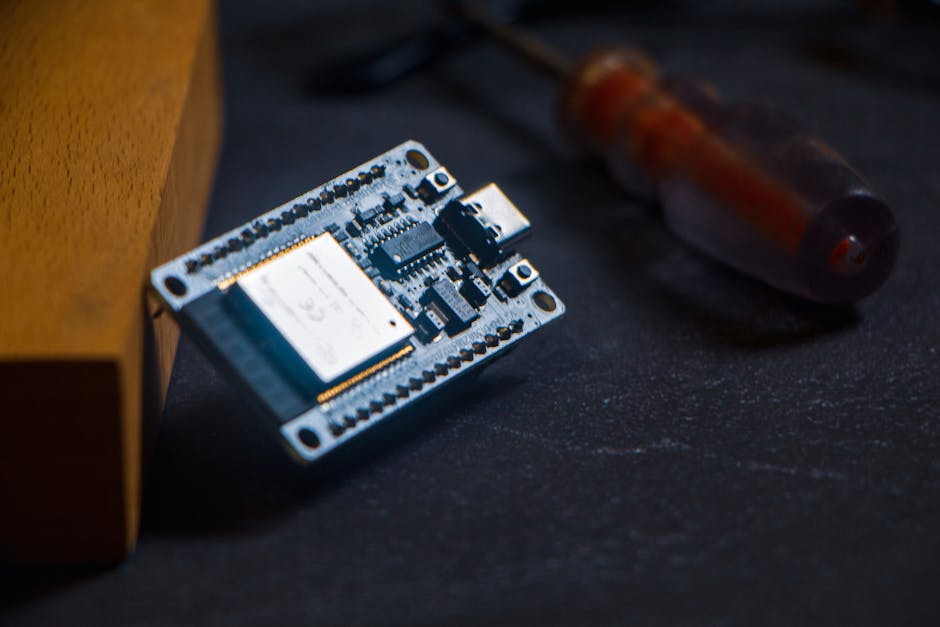
- AI integration is on the rise, with Claude representing a cutting-edge solution embedded directly into software applications.
- The shift from external AI tools to intrinsic AI within software enhances user experience and productivity.
- Adoption of AI-integrated software is expected to increase by over 30% in the next year, indicating rapid technological evolution.
- Advancements in machine learning and natural language processing are enabling more sophisticated AI interactions.
- Industries such as healthcare and finance stand to benefit significantly from this new era of embedded AI.
The integration of artificial intelligence into our daily software has reached a pivotal moment, with the introduction of Claude, a cutting-edge AI solution that is now embedded directly into various applications. This significant development marks a shift away from AI being an external tool that users switch to, and instead, positions it as an intrinsic part of the software itself. The implications are profound, promising to revolutionize the way we interact with technology and enhancing our overall productivity. According to recent statistics, the adoption of AI-integrated software is expected to increase by over 30% in the next year alone, underscoring the rapid pace of this technological evolution.
The Rise of Embedded AI

This new era of AI integration matters now more than ever, as the demand for more intuitive and efficient software solutions continues to grow. The traditional model of having AI as a separate entity that users must navigate to and from has become outdated. With Claude and similar technologies, the barriers between human and machine are being bridged, allowing for a seamless and more effective user experience. The background to this shift lies in advancements in machine learning and natural language processing, which have enabled AI to understand and respond to user needs in a more sophisticated manner. As a result, industries ranging from healthcare to finance are poised to benefit from these developments, making this a critical moment in the history of technology.
Claude: The Pioneer in AI Integration

The key details surrounding Claude’s integration into software are both fascinating and complex. Essentially, Claude operates by learning the patterns and preferences of the user, allowing it to provide personalized support and automation. This is achieved through advanced algorithms that analyze user behavior and adapt the AI’s responses accordingly. The involvement of major software companies in this endeavor underscores the significance of Claude’s technology, with several industry leaders already incorporating it into their platforms. As this trend continues, we can expect to see a wide array of applications, from document editing to project management tools, being revolutionized by the power of embedded AI.
Analyzing the Impact of Claude
An analysis of the causes and effects of Claude’s integration reveals a multifaceted scenario. On one hand, the technology promises to enhance productivity and efficiency, potentially leading to significant economic benefits. On the other hand, there are concerns regarding privacy and the ethical use of AI, which must be addressed through stringent regulations and transparent practices. Expert data suggests that while there are challenges to overcome, the overall trajectory of AI integration is positive, with the potential to create new job opportunities in fields related to AI development and management. Moreover, the integration of AI into software is likely to spur innovation, as companies compete to develop the most sophisticated and user-friendly applications.
Implications for the Future
The implications of Claude’s integration into software are far-reaching, affecting not only the tech industry but also the broader economy and society. As AI becomes an integral part of our daily tools, we can expect a shift in how work is performed and how businesses operate. For instance, tasks that were previously time-consuming and labor-intensive can now be automated, freeing up resources for more strategic and creative endeavors. Additionally, the enhanced user experience provided by AI-integrated software is likely to increase customer satisfaction and loyalty, leading to competitive advantages for companies that adopt this technology.
Expert Perspectives
Experts in the field of AI and technology offer contrasting viewpoints on the integration of Claude into software. While some praise the innovation and potential for growth, others express caution, highlighting the need for careful consideration of the ethical and societal impacts. “The integration of AI into our software is a double-edged sword,” notes one expert. “On one hand, it promises unprecedented levels of efficiency and productivity. On the other, it raises critical questions about privacy, job displacement, and the future of work.” As the debate continues, one thing is clear: the future of technology will be shaped significantly by the development and deployment of AI solutions like Claude.
Looking forward, the key question is what the next steps will be in the evolution of AI-integrated software. Will we see a universal adoption of technologies like Claude, or will there be a more nuanced approach, with AI being used in specific contexts where its benefits are most pronounced? As we navigate this uncharted territory, it is essential to maintain a balanced perspective, recognizing both the potential of AI to transform our world for the better and the need for responsible innovation that prioritizes human well-being and societal harmony. The coming years will undoubtedly be pivotal in shaping the future of AI and its integration into our daily lives, making this an exciting and challenging time for technologists, policymakers, and the general public alike.