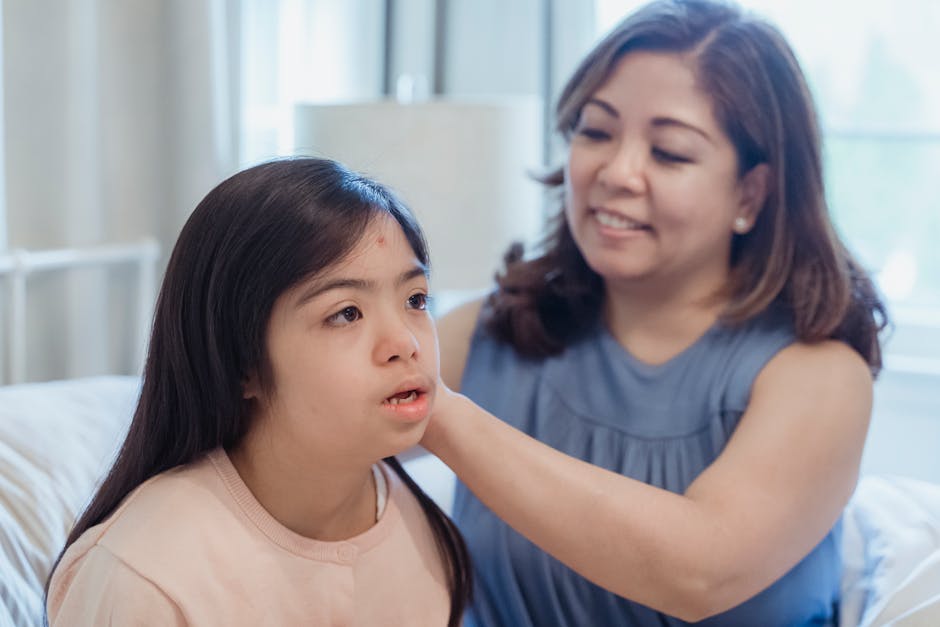
- DFMO, a drug originally used for sleeping sickness, shows promise in treating Bachmann-Bupp syndrome (BABS), a rare genetic disorder.
- This repurposing of an existing drug highlights the potential for faster and more cost-effective treatments for orphan diseases.
- Bachmann-Bupp syndrome is a severe, life-threatening condition affecting only a few individuals worldwide, with significant impacts on quality of life.
- The discovery offers hope to families long searching for effective treatments, emphasizing the importance of drug repurposing in medical research.
- The approach of repurposing existing drugs could lead to breakthroughs for other rare and neglected diseases.
A striking fact has emerged in the field of genetic disorders: a decades-old drug, once relegated to treating sleeping sickness, is now offering a glimmer of hope for children afflicted with the ultra-rare and life-threatening Bachmann-Bupp syndrome (BABS). This condition, which affects only a handful of individuals worldwide, is characterized by severe and debilitating symptoms that significantly impact the quality of life for those affected. The drug in question, DFMO, has been found to potentially ease these severe symptoms by targeting the underlying genetic malfunction, providing a beacon of light for families who have long been searching for an effective treatment.
The Background of Bachmann-Bupp Syndrome

The discovery of DFMO’s potential against BABS is particularly significant because it highlights the importance of revisiting and repurposing existing drugs for new applications. BABS, being an orphan disease, has historically received limited attention and funding, leaving patients and their families with few options and even fewer hopes for a cure. As medical science continues to evolve, the approach of drug repurposing is gaining traction, offering a faster and more cost-effective way to find treatments for rare and neglected diseases. This strategy is not only beneficial for conditions like BABS but also underscores the broader potential for improving human health by maximizing the utility of existing pharmaceuticals.
Key Developments in DFMO Treatment

The story of DFMO’s application in treating BABS is one of both promise and challenge. Researchers have made significant strides in understanding how DFMO can interact with the genetic mechanisms underlying BABS, providing a theoretical basis for its use. Furthermore, early patient treatments have yielded encouraging results, with some individuals experiencing a reduction in the severity of their symptoms. However, despite these positive developments, the progress of DFMO as a treatment for BABS has been hindered by regulatory and logistical hurdles. The process of gaining approval for a new use of an existing drug can be complex and time-consuming, requiring extensive clinical trials and regulatory reviews. Additionally, the rarity of BABS means that recruiting patients for these trials and securing funding can be particularly difficult.
Analysis of DFMO’s Mechanism and Impact
An in-depth analysis of DFMO’s mechanism of action against BABS reveals the drug’s potential to address the disorder at its genetic roots. By targeting specific biochemical pathways affected by the genetic mutation causing BABS, DFMO may offer a way to mitigate the disorder’s severe symptoms. Expert analysis suggests that the drug’s ability to cross the blood-brain barrier, a significant challenge in treating neurological disorders, is a crucial factor in its potential efficacy. Moreover, data from initial patient treatments, though limited, indicate a positive correlation between DFMO administration and symptom alleviation. However, more extensive research is needed to fully understand the drug’s effects, optimal dosage, and potential side effects, underscoring the need for comprehensive clinical trials to cement DFMO’s role as a viable treatment option for BABS.
Implications for Patients and Families
The implications of DFMO’s potential as a treatment for BABS are profound, particularly for the patients and families affected by this devastating condition. For those who have been living with the disorder, the possibility of alleviating its severe symptoms offers a new lease on life. The potential for improved quality of life, increased independence, and enhanced well-being is a significant step forward, providing hope where previously there may have been little. Furthermore, the development of an effective treatment for BABS could also pave the way for research into other rare genetic disorders, demonstrating the broader impact that drug repurposing can have on public health.
Expert Perspectives
Experts in the field of genetic disorders and drug development hold contrasting viewpoints on the future of DFMO as a treatment for BABS. Some express cautious optimism, highlighting the drug’s potential while also emphasizing the need for rigorous clinical trials to establish its safety and efficacy. Others point to the challenges inherent in drug repurposing, including regulatory barriers and the difficulty of securing funding for research into rare diseases. Despite these differing perspectives, there is a consensus on the importance of continued research into DFMO and its potential to improve the lives of those affected by BABS.
Looking forward, the path ahead for DFMO as a treatment for BABS is fraught with challenges but also filled with promise. As researchers and regulatory bodies work to overcome the hurdles standing in the way of widespread adoption, patients and their families wait anxiously for the possibility of a better future. The open question remains: how quickly can the medical and scientific communities come together to fully realize the potential of DFMO and provide a lifeline to those in need? The answer will depend on the collective efforts of researchers, regulators, and advocates, but one thing is clear – the journey towards finding effective treatments for rare diseases like BABS is ongoing, and the rediscovery of forgotten drugs like DFMO is a crucial part of this endeavor.