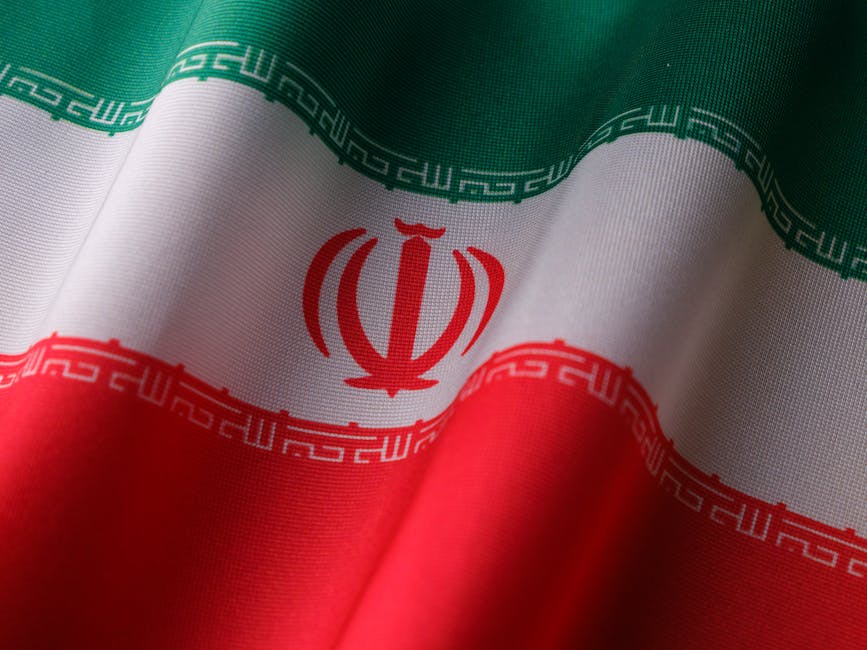
- The US has escalated tensions with Iran by seizing a second tanker suspected of carrying Iranian oil, in a move to enforce its sanctions.
- The US withdrawal from the Joint Comprehensive Plan of Action (JCPOA) in 2018 led to a significant escalation in US-Iran tensions.
- The US has reimposed sanctions on Iran’s oil sector, causing significant economic harm to the country.
- Iran has responded to US sanctions by increasing its nuclear program, including enriching uranium to higher levels.
- The current situation has been marked by a hardline stance from the US and a breach of nuclear limits by Iran.
The United States has taken a significant step in its ongoing campaign against Iran, boarding a second tanker this week that it claims is carrying oil from the Islamic Republic. This move marks a notable escalation in the tensions between the two nations, as the Trump administration continues to apply pressure on Tehran. The seizure of the tanker is the latest in a series of actions taken by the US to enforce its sanctions on Iran, which have been in place since the US withdrew from the Joint Comprehensive Plan of Action (JCPOA) in 2018. The JCPOA, also known as the Iran nuclear deal, was a landmark agreement between Iran, the US, and several other world powers that lifted sanctions on Iran in exchange for limits on its nuclear program.
Background on US-Iran Tensions

The current tensions between the US and Iran have their roots in the US withdrawal from the JCPOA, which was a key foreign policy achievement of the Obama administration. The Trump administration has taken a hardline stance against Iran, citing concerns over its nuclear program, ballistic missile tests, and support for militant groups in the region. The US has reimposed sanctions on Iran, including on its oil sector, which has had a significant impact on the Iranian economy. Iran has responded by taking steps to breach the limits on its nuclear program set out in the JCPOA, including enriching uranium to higher levels and increasing its stockpile of low-enriched uranium. The situation has been further complicated by a series of incidents in the region, including attacks on oil tankers and drone strikes, which have raised fears of a wider conflict.
The Tanker Seizure

The seizure of the tanker is a significant development in the ongoing tensions between the US and Iran. According to US officials, the tanker was carrying a cargo of Iranian oil, which is subject to US sanctions. The US has accused Iran of attempting to evade these sanctions by using clandestine shipping routes and falsifying documentation. The tanker seizure is the second such action taken by the US this week, and it is likely to further escalate tensions between the two nations. The US has been working to build a coalition of nations to support its efforts to enforce sanctions on Iran and to protect shipping in the region. However, the seizure of the tanker is likely to be seen as a provocative move by Iran and its allies, and it may lead to further retaliation.
Analysis of the Situation
The seizure of the tanker is a clear indication of the Trump administration’s determination to enforce its sanctions on Iran and to prevent it from exporting oil. The move is likely to have significant economic and political implications, both for Iran and for the wider region. The sanctions on Iran’s oil sector have already had a major impact on the Iranian economy, and the seizure of the tanker is likely to further exacerbate the situation. The US is also likely to face criticism from other nations, including European allies, which have been working to preserve the JCPOA and to find ways to mitigate the impact of US sanctions on Iran. The situation is complex and multifaceted, and it is likely to require a nuanced and coordinated response from the international community.
Implications of the Seizure
The implications of the tanker seizure are far-reaching and complex. The move is likely to have significant economic implications for Iran, which is already struggling to cope with the impact of US sanctions. The seizure of the tanker may also lead to further retaliation from Iran, which could include attacks on oil tankers or other targets in the region. The situation is also likely to have significant political implications, both for the US and for the wider region. The Trump administration’s decision to seize the tanker is likely to be seen as a provocative move by Iran and its allies, and it may lead to further escalation of the conflict. The international community is likely to be concerned about the potential for a wider conflict, and it may call for restraint and diplomacy to resolve the situation.
Expert Perspectives
Experts are divided on the implications of the tanker seizure, with some arguing that it is a necessary move to enforce US sanctions on Iran, while others see it as a provocative and dangerous escalation of the conflict. Some analysts have warned that the seizure of the tanker could lead to a wider conflict, while others have argued that it is a necessary step to prevent Iran from evading sanctions and to protect the security of the region. The situation is complex and multifaceted, and it is likely to require a nuanced and coordinated response from the international community. As one expert noted, “The seizure of the tanker is a significant escalation of the conflict, and it is likely to have far-reaching implications for the region and for the global economy.”
The situation is likely to continue to evolve in the coming days and weeks, with the US and Iran engaging in a war of words and potentially taking further actions to escalate the conflict. The international community is likely to be watching the situation closely, and it may call for restraint and diplomacy to resolve the situation. As another expert noted, “The key question now is how Iran will respond to the seizure of the tanker, and whether the US and its allies will be able to find a way to de-escalate the conflict and to find a peaceful resolution to the situation.” The situation is complex and uncertain, and it is likely to require careful diplomacy and coordination to resolve.