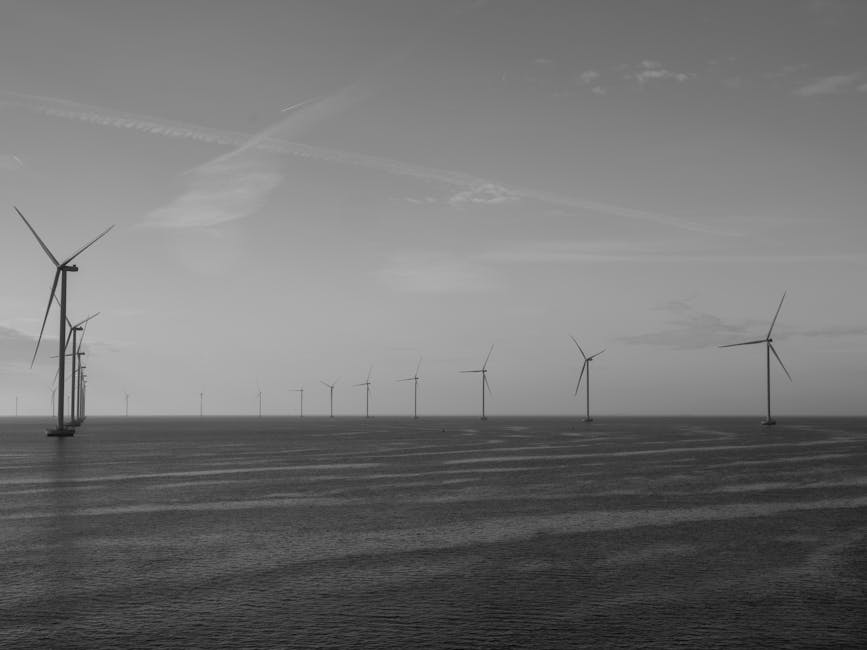
In a move that has sparked intense debate within the renewable energy sector, the Trump administration has agreed to pay two additional companies to abandon their offshore wind energy leases. This decision, coming on the heels of similar buybacks, reflects the administration’s broader strategy to slow the development of offshore wind projects, a key component in the transition to cleaner energy sources. The buyouts, totaling millions of dollars, underscore the political and economic tensions surrounding the push for renewable energy, particularly in regions where traditional fossil fuel industries have a strong presence.
The Context of Offshore Wind Leases

Offshore wind energy has been heralded as a crucial technology in the fight against climate change, offering vast potential for generating clean, renewable power. However, the development of these projects has faced significant challenges, including regulatory hurdles, environmental concerns, and opposition from various stakeholders. The Trump administration’s decision to buy back leases from companies that have already invested in preliminary studies and infrastructure is seen by many as a setback for the industry. This move not only affects the companies directly involved but also sends a strong signal to potential investors and developers about the uncertain regulatory environment.
Details of the Buybacks

The Department of the Interior has confirmed that it will pay two more companies, which have not been publicly named, to relinquish their offshore wind leases. These leases were originally awarded to the companies through a competitive bidding process, with the expectation that they would develop wind farms in designated areas along the East Coast. The buybacks follow a similar agreement with another company earlier this year, which was paid over $20 million to walk away from its lease. The total cost of these buybacks is estimated to be in the tens of millions, a significant expenditure that has raised eyebrows among both environmentalists and fiscal conservatives.
Analysis of the Decision
The administration’s decision to buy back these offshore wind leases is rooted in a complex web of political and economic factors. Critics argue that the move is a thinly veiled attempt to support the fossil fuel industry and delay the transition to renewable energy. Environmental groups have expressed disappointment, noting that offshore wind projects could play a vital role in reducing carbon emissions and combating climate change. On the other hand, proponents of the buybacks point to concerns about the impact of wind farms on marine ecosystems and the potential disruption to fishing and other maritime industries. Economic data shows that while the renewable energy sector is growing, it still lags behind fossil fuels in terms of job creation and immediate economic benefits, which the administration may be prioritizing.
Implications for the Renewable Energy Sector
The buybacks have far-reaching implications for the renewable energy sector, particularly for offshore wind development in the United States. The decision may deter future investment in these projects, as companies are now more hesitant to commit resources and capital to a market that lacks stable regulatory support. This could result in a slowdown in the deployment of offshore wind farms, which are essential for meeting the country’s renewable energy goals. Additionally, the buybacks may exacerbate the already existing divide between states that are supportive of renewable energy and those that are not, potentially leading to a patchwork of policies that hinder national efforts to combat climate change.
Expert Perspectives
Energy experts have offered contrasting viewpoints on the administration’s decision. Dr. Emily Johnson, a renewable energy policy analyst at the University of California, Berkeley, stated, “The buybacks are a clear indication of the administration’s prioritization of short-term economic gains over long-term environmental sustainability.” Conversely, Mr. John Davis, a consultant for the American Petroleum Institute, argued, “These decisions reflect a balanced approach to ensuring that we protect our marine ecosystems and support industries that are critical to our economy.”
Looking ahead, the renewable energy sector will be closely monitoring the regulatory landscape to see if the administration’s stance on offshore wind will shift. The incoming Biden administration has pledged to prioritize renewable energy, and it remains to be seen how they will address the current buybacks and support the development of offshore wind projects. The future of these leases and the broader renewable energy agenda in the US hinges on the outcome of these political and economic debates.