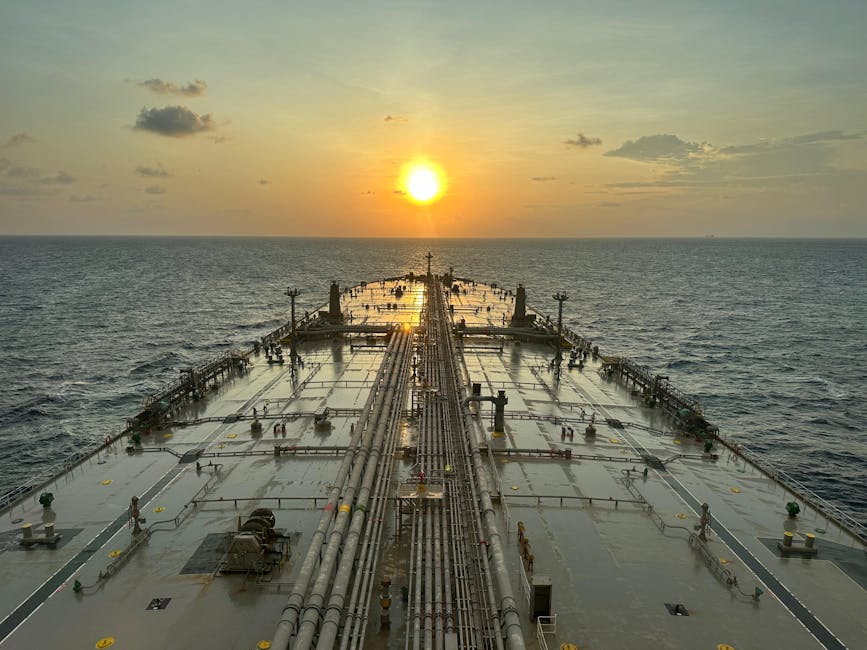
- The Strait of Hormuz is a vital waterway for international trade, with over 20% of the world’s oil supply passing through it daily.
- The US, China, and other major economies rely heavily on the strait for their energy needs, making it a crucial component of global trade.
- The strait’s strategic importance cannot be overstated, as it is the only passage for oil tankers and cargo ships to enter and exit the Persian Gulf.
- The ongoing US-Iran standoff in the Strait of Hormuz has sparked concerns of a potential global food emergency due to the dispute’s far-reaching consequences.
- The current standoff has raised concerns about the potential disruption of oil supplies and the impact on the global economy.
The ongoing US-Iran standoff in the Strait of Hormuz has sparked concerns of a potential global food emergency, with the United Nations warning that the dispute could have far-reaching consequences for international trade and food security. The Strait of Hormuz, a critical waterway connecting the Persian Gulf to the Arabian Sea, is a vital passage for oil tankers and cargo ships, with over 20% of the world’s oil supply passing through it every day. The UN chief’s warning comes as tensions between the US and Iran continue to escalate, with both countries engaging in a war of words and Washington deploying additional troops to the region.
The Strategic Importance of the Strait of Hormuz

The Strait of Hormuz is a narrow waterway that connects the Persian Gulf to the Arabian Sea, making it a critical passage for international trade. The strait is approximately 90 nautical miles long and 21-25 miles wide, with the Oman Strait and the UAE’s Musandam Peninsula to the south. The strait’s strategic importance cannot be overstated, as it is the only passage for oil tankers and cargo ships to enter and exit the Persian Gulf. The US, China, and other major economies rely heavily on the strait for their energy needs, making it a vital component of global trade. The current standoff between the US and Iran has raised concerns about the potential disruption of oil supplies and the impact on the global economy.
Key Players and Interests

The US-Iran standoff in the Strait of Hormuz involves several key players, including the US, Iran, China, and the European Union. The US has been actively engaged in a campaign of maximum pressure against Iran, imposing severe economic sanctions and deploying additional troops to the region. Iran, on the other hand, has responded by seizing oil tankers and attacking Saudi oil facilities, raising concerns about the potential for a wider conflict. China, which relies heavily on the strait for its energy needs, has called for calm and restraint, while the European Union has urged both sides to engage in diplomatic efforts to resolve the dispute. The complex web of interests and alliances in the region has made it challenging to find a peaceful resolution to the conflict.
Causes and Consequences of the Standoff
The current standoff between the US and Iran is the result of a complex interplay of factors, including the US withdrawal from the Joint Comprehensive Plan of Action (JCPOA), also known as the Iran nuclear deal, and the subsequent imposition of severe economic sanctions on Iran. The sanctions have had a devastating impact on the Iranian economy, with the country’s currency plummeting and inflation soaring. The US has also engaged in a campaign of maximum pressure, deploying additional troops to the region and conducting military exercises with its allies. The consequences of the standoff are far-reaching, with the potential to disrupt global oil supplies, trigger a global food emergency, and even lead to a wider conflict in the region.
Implications for Global Food Security
The UN chief’s warning about the potential for a global food emergency is a stark reminder of the far-reaching consequences of the US-Iran standoff. The dispute has already led to a significant increase in oil prices, which could have a devastating impact on food prices and availability. The World Food Programme has warned that the conflict could lead to food shortages and price increases, particularly in countries that rely heavily on imports. The implications for global food security are severe, with the potential to exacerbate existing food crises and trigger new ones. The international community must take urgent action to resolve the dispute and prevent a humanitarian catastrophe.
Expert Perspectives
Experts are divided on the potential outcome of the US-Iran standoff, with some warning of a potential wider conflict and others arguing that diplomatic efforts could still resolve the dispute. According to Dr. Sanam Vakil, a Middle East expert at Chatham House, the US and Iran are engaged in a game of chicken, with neither side willing to back down. However, other experts, such as Dr. Trita Parsi, the founder of the National Iranian American Council, argue that diplomatic efforts could still resolve the dispute, particularly if the US and Iran can find common ground on issues such as oil exports and nuclear enrichment.
As the situation in the Strait of Hormuz continues to unfold, the international community will be watching closely to see how the US and Iran respond to the current crisis. Will the two sides engage in diplomatic efforts to resolve the dispute, or will the conflict escalate further? The answer to this question will have far-reaching consequences for global trade, food security, and international relations. One thing is certain, however: the US-Iran standoff in the Strait of Hormuz is a crisis that requires urgent attention and action from the international community.