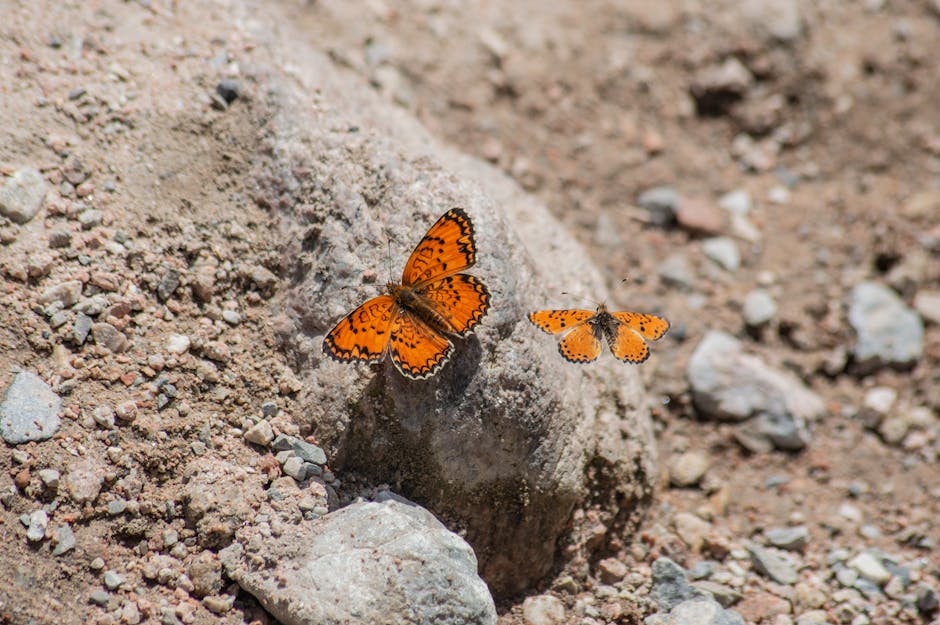
- Butterfly populations worldwide have declined by nearly 50% over the past four decades due to habitat destruction, pesticide use, and climate change.
- Warming temperatures are enabling certain butterfly species to expand their geographic ranges, colonize new habitats, and extend their breeding seasons.
- Generalist and warmth-loving butterflies are thriving in a warming world, while cold-adapted and specialist species are declining.
- Some butterfly species, like the clouded yellow and the red admiral, are increasing in abundance and distribution in Britain.
- Climate change is leading to a divergence in ecological responses, with some species thriving while others decline.
Butterfly populations worldwide have declined by nearly 50% over the past four decades, according to a 2023 meta-analysis published in Nature Ecology & Evolution, signaling a deepening crisis in global biodiversity. Habitat destruction, pesticide use, and climate change are primary drivers. Yet within this troubling trend, a counterintuitive pattern has emerged: certain butterfly species are not only surviving but flourishing. In parts of Europe and North America, warming temperatures have enabled several species to expand their geographic ranges northward, colonize new habitats, and extend their breeding seasons. This divergence underscores the complexity of ecological responses to climate change—where losers abound, a select few are reaping unexpected benefits from a hotter planet.
The Climate Divide in Butterfly Survival

The fate of butterfly species in the 21st century is increasingly split along climatic and geographic lines. While cold-adapted and specialist species—those reliant on specific host plants or microclimates—are vanishing from their historic ranges, generalist and warmth-loving butterflies are seizing new opportunities. Researchers from the UK Centre for Ecology & Hydrology found that between 1970 and 2021, southern species such as the clouded yellow and the red admiral increased in abundance and distribution across Britain. These shifts are not random; they correlate directly with rising average temperatures and milder winters. As climate zones shift poleward, so too do the ecological niches that butterflies occupy. This reshuffling of biodiversity is altering ecosystem dynamics and raising concerns about long-term ecological stability.
Five Species on the Rise

Among the most notable climate beneficiaries is the Vanessa atalanta, or red admiral, a migratory butterfly now establishing year-round populations in parts of the UK and Scandinavia. Similarly, the clouded yellow (Colias croceus) has seen a 300% increase in sightings across southern England since 2000, according to Butterfly Conservation. The comma butterfly (Polymorphis c-album) has expanded its range northward by over 135 miles in two decades. The speckled wood (Pararge aegeria) is thriving in warmer woodlands, while the southern small white (Pieris mannii) has recently colonized southern regions of France and Italy. These species share traits that favor climate resilience: broad dietary preferences, high reproductive rates, and strong dispersal abilities. Their success, however, does not offset the broader decline of more vulnerable species.
Why Some Thrive While Others Fade

The divergence in butterfly fortunes stems from physiological tolerance, life cycle flexibility, and habitat adaptability. Species like the red admiral can migrate long distances and exploit a range of nectar sources, giving them an edge in unpredictable climates. In contrast, alpine butterflies such as the mountain ringlet (Erebia epiphron) are trapped at higher elevations with nowhere to go as temperatures rise. A 2022 study in ScienceDaily highlighted that for every degree Celsius of warming, cold-adapted insects lose 5–10% of their viable habitat. Meanwhile, generalists benefit from longer growing seasons and reduced winter mortality. Urbanization and agricultural intensification further skew the balance, favoring species that can exploit disturbed landscapes over those requiring pristine ecosystems.
Ecological and Conservation Implications

The uneven response of butterfly populations has cascading effects on ecosystems. Butterflies serve as pollinators, prey for birds and bats, and indicators of environmental health. As certain species dominate, biodiversity declines, weakening ecosystem resilience. The loss of specialist butterflies can disrupt plant-pollinator networks, particularly for native flora that rely on specific insect partners. Additionally, the northward expansion of southern species may introduce competition or disease to native populations. Conservationists warn that celebrating the success of a few species risks downplaying the broader crisis. Protecting habitat connectivity, reducing pesticide use, and restoring native plant communities are critical to supporting both declining and expanding species.
Expert Perspectives
“We’re witnessing a homogenization of biodiversity,” says Dr. Emily Bee, a lepidopterist at Rothamsted Research. “Winners are often common, widespread species, while the unique and localized ones disappear.” In contrast, Dr. Tom Brereton of Butterfly Conservation notes that “some adaptation is possible, and we must support natural resilience through landscape-scale conservation.” While there is consensus on the severity of overall declines, experts differ on how much emphasis to place on emerging winners. Some argue for targeted protection of vulnerable species, while others advocate for dynamic conservation strategies that accommodate shifting ranges.
Looking ahead, scientists are monitoring whether current trends will continue or plateau. Questions remain about the long-term viability of range-expanding species in newly colonized areas, especially if host plants do not keep pace. Climate models suggest further redistribution by 2050, potentially leading to novel ecological communities. Conservation policies must evolve to address not just species loss, but the reorganization of entire ecosystems in a warming world.
Source: BBC