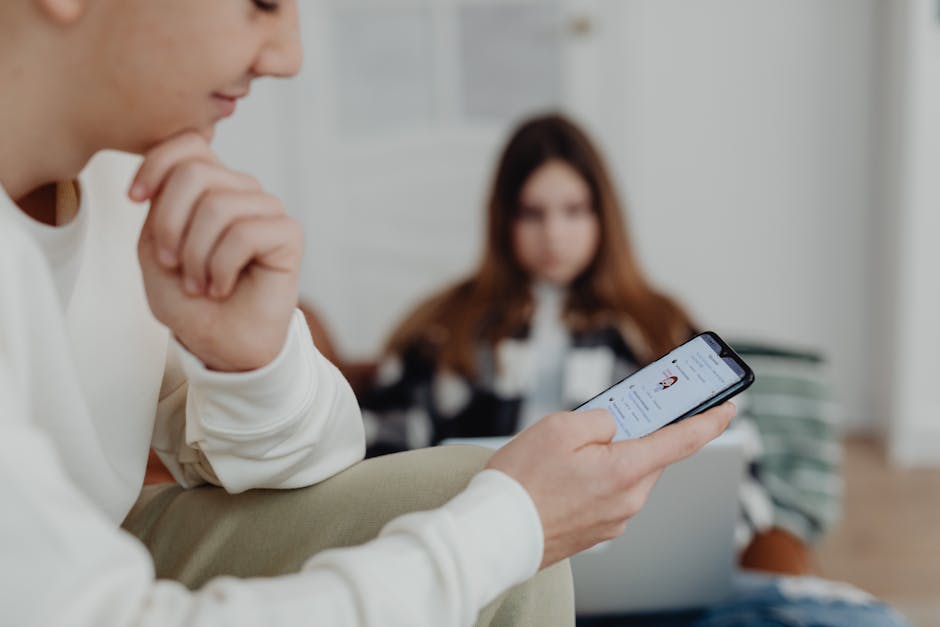
- The UK government plans to introduce social media restrictions for children under 16 to protect them from online harms.
- Experts and campaigners have been calling for action to limit children’s access to social media due to its impact on mental health and wellbeing.
- Over 70% of UK children have a social media account by the age of 12, with many spending several hours online daily.
- The government will introduce ‘age or functionality restrictions’ to limit minors’ access to social media platforms.
- The move aims to address concerns over online bullying, harassment, and exploitation of children.
The UK government has pledged to introduce “some form” of social media restrictions for children under the age of 16, in a bid to protect young people from the potential harms of online platforms. Education Minister Olivia Bailey made the announcement, stating that the government will introduce “age or functionality restrictions” to limit the access of minors to social media. This move comes amid growing concerns over the impact of social media on children’s mental health, wellbeing, and safety. According to recent statistics, over 70% of children in the UK have a social media account by the age of 12, with many spending several hours a day online.
Background to the Decision

The decision to introduce social media restrictions for under-16s has been a long time coming, with many experts and campaigners arguing that urgent action is needed to protect young people from the potential risks of online platforms. In recent years, there have been numerous reports of children being bullied, harassed, and exploited online, with many suffering from mental health problems as a result. The government has faced pressure to act, with many MPs and peers calling for tougher regulations on social media companies to ensure they do more to protect their young users. The introduction of age or functionality restrictions is seen as a key step towards achieving this goal, and is likely to be welcomed by many parents and campaigners who have been pushing for greater online safety measures.
The Proposed Restrictions

While the exact details of the proposed social media restrictions have yet to be confirmed, it is understood that the government is considering a range of options, including age verification measures, limits on screen time, and restrictions on access to certain types of content. The Education Minister has stated that the government will work with social media companies and other stakeholders to develop the new restrictions, which are expected to be introduced in the coming months. The move is likely to be closely watched by other countries, with many governments around the world grappling with the challenges of regulating social media and protecting young people online. The UK’s decision to introduce social media restrictions for under-16s is seen as a significant step forward, and could pave the way for similar measures to be introduced elsewhere.
Analysis of the Move
The introduction of social media restrictions for under-16s is a complex issue, with many different factors at play. On the one hand, there are clear concerns over the impact of social media on children’s mental health and wellbeing, with many experts arguing that urgent action is needed to protect young people from the potential risks of online platforms. On the other hand, there are also concerns over the potential impact of restrictions on children’s freedom and autonomy, with some arguing that such measures could be overly restrictive and stifle online creativity and expression. According to data from the UK’s Office for National Statistics, children who spend more time on social media are more likely to experience mental health problems, with 12% of children who spend more than 3 hours a day on social media reporting symptoms of anxiety or depression. However, others argue that social media can also have many positive effects, such as connecting young people with others and providing access to information and educational resources.
Implications of the Restrictions
The introduction of social media restrictions for under-16s is likely to have significant implications for many different groups, including children, parents, and social media companies. For children, the restrictions could mean greater protection from the potential risks of online platforms, including bullying, harassment, and exploitation. For parents, the restrictions could provide greater peace of mind, knowing that their children are safer online. For social media companies, the restrictions could mean significant changes to their business models and practices, with many likely to face increased pressure to do more to protect their young users. The restrictions could also have implications for the wider online ecosystem, with many other companies and organizations likely to be affected by the changes.
Expert Perspectives
Experts have welcomed the government’s decision to introduce social media restrictions for under-16s, with many arguing that urgent action is needed to protect young people from the potential risks of online platforms. However, others have expressed concerns over the potential impact of restrictions on children’s freedom and autonomy, with some arguing that such measures could be overly restrictive and stifle online creativity and expression. According to Dr. Jean Twenge, a leading expert on the impact of social media on children’s mental health, “social media companies have a responsibility to protect their young users, and the introduction of age or functionality restrictions is a key step towards achieving this goal”. However, others, such as Dr. Sonia Livingstone, a professor of social psychology at the London School of Economics, have argued that “restrictions on social media use could have unintended consequences, such as driving children to use other, potentially more harmful, online platforms”.
As the government moves forward with its plans to introduce social media restrictions for under-16s, many will be watching with interest to see how the new measures are implemented and what impact they have on young people and the wider online ecosystem. One key question is how the restrictions will be enforced, with many social media companies likely to face significant challenges in verifying the ages of their users and restricting access to certain types of content. Another key question is what other measures the government will take to protect young people online, with many experts arguing that a comprehensive approach is needed to address the complex and evolving challenges of online safety. As the debate over social media restrictions continues, one thing is clear: the introduction of age or functionality restrictions for under-16s is just the beginning of a much larger conversation about how to protect young people in the digital age.