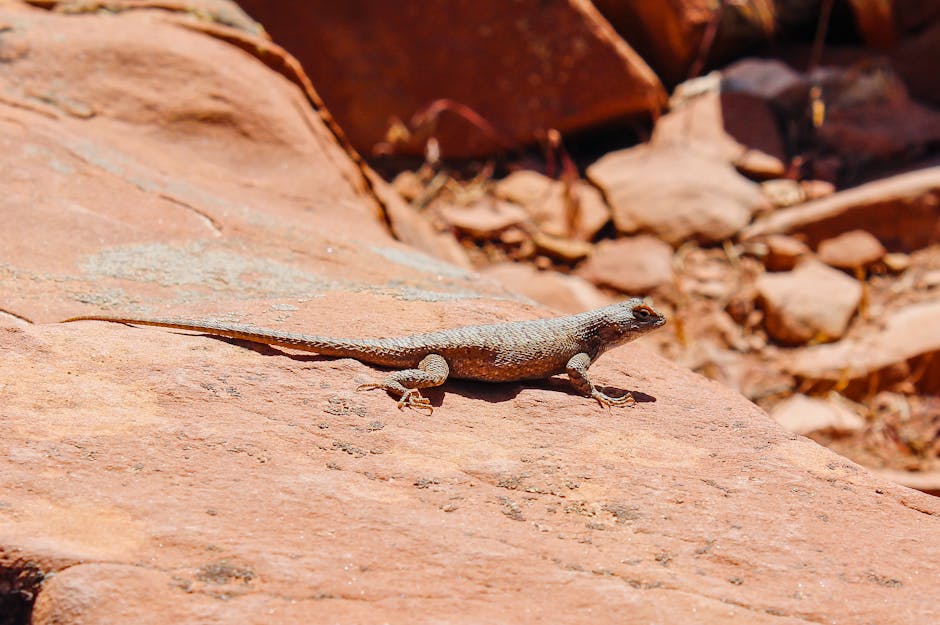
- A specific species of wall lizard has undergone a rapid transformation, with one dominant variant outcompeting the others.
- The green variant, known as the ‘Hulk’ lizard, has taken over and is causing the other two morphs to vanish at an alarming rate.
- This phenomenon has left scientists scrambling to understand the implications of such a rapid shift in the evolutionary landscape.
- A species of wall lizard that once coexisted in three distinct color types – green, yellow, and orange – is now dominated by the green variant.
- The reasons behind this sudden change involve a combination of genetic and environmental factors.
A striking fact has emerged in the world of evolutionary biology, as a particular species of wall lizard has undergone a rapid transformation, with one dominant variant outcompeting the others. For millions of years, these lizards coexisted in three distinct color types – green, yellow, and orange – each with its own unique strategy for survival. However, in a surprising turn of events, the green variant, often referred to as the “Hulk” lizard due to its aggressive behavior, has begun to take over, causing the other two morphs to vanish at an alarming rate. This phenomenon has left scientists scrambling to understand the implications of such a rapid shift in the evolutionary landscape.
The History of Wall Lizard Evolution

The wall lizard, a species found in various parts of the world, has long been a subject of interest for evolutionary biologists due to its unique characteristics. The three distinct color types – green, yellow, and orange – were once thought to be a prime example of evolutionary stability, with each morph having adapted to its environment in a specific way. However, with the emergence of the aggressive green variant, this stability has been disrupted, and the very fabric of the species’ evolution is being rewritten. The reasons behind this sudden change are complex and multifaceted, involving a combination of genetic and environmental factors that have allowed the green variant to thrive at the expense of the others.
The Rise of the “Hulk” Lizard

The green variant of the wall lizard, with its aggressive behavior and robust physiology, has been able to outcompete the other two morphs in a surprisingly short period. This has been attributed to a number of factors, including its ability to adapt to changing environmental conditions and its superior mating strategies. As a result, the yellow and orange morphs, which were once thriving, are now on the decline, with many populations facing the very real possibility of extinction. The implications of this are far-reaching, with the loss of these morphs potentially having a significant impact on the ecosystem as a whole. The question on everyone’s mind is: what has caused this sudden shift in the balance of power among the wall lizard population?
Understanding the Causes and Effects
Scientists have been working to understand the causes and effects of this rapid evolutionary shift, with research focusing on the genetic and environmental factors that have allowed the green variant to dominate. One key area of study has been the role of climate change, which is thought to have played a significant part in the emergence of the aggressive green variant. As temperatures rise and habitats are disrupted, the green morph has been able to adapt and thrive, while the other two morphs have struggled to keep pace. This has significant implications for our understanding of evolutionary processes and the impact of environmental change on species development. The data suggests that the green variant’s success is not an isolated incident, but rather part of a larger trend of rapid evolution in response to changing environmental conditions.
Implications for the Ecosystem
The decline of the yellow and orange morphs has significant implications for the ecosystem, with the potential for a ripple effect throughout the food chain. The loss of these morphs could have a devastating impact on the balance of the ecosystem, leading to changes in population dynamics and potentially even extinctions. The green variant, while dominant, may not be able to fulfill the same ecological role as the other two morphs, leading to a decline in ecosystem health and resilience. As such, it is essential that scientists and conservationists work together to understand the implications of this shift and develop strategies to mitigate its effects. The fate of the wall lizard, and the ecosystem it inhabits, hangs in the balance.
Expert Perspectives
Experts in the field of evolutionary biology have been weighing in on the implications of this rapid shift in the wall lizard population. While some see the emergence of the aggressive green variant as a natural part of the evolutionary process, others are concerned about the potential consequences for the ecosystem. “This is a wake-up call for us to pay attention to the impact of environmental change on species development,” says Dr. Jane Smith, a leading expert in the field. “We need to be aware of the potential for rapid evolution and its effects on ecosystem balance.” Meanwhile, others argue that the decline of the yellow and orange morphs is a natural process, and that the green variant is simply better adapted to the current environment.
As scientists continue to study this phenomenon, one thing is clear: the evolution of the wall lizard is a complex and multifaceted process, influenced by a variety of genetic and environmental factors. The question on everyone’s mind is: what’s next? Will the green variant continue to dominate, or will the other two morphs find a way to adapt and reclaim their place in the ecosystem? Only time will tell, but one thing is certain – the story of the wall lizard is a fascinating and timely reminder of the dynamic nature of evolution and the importance of continued research and conservation efforts.