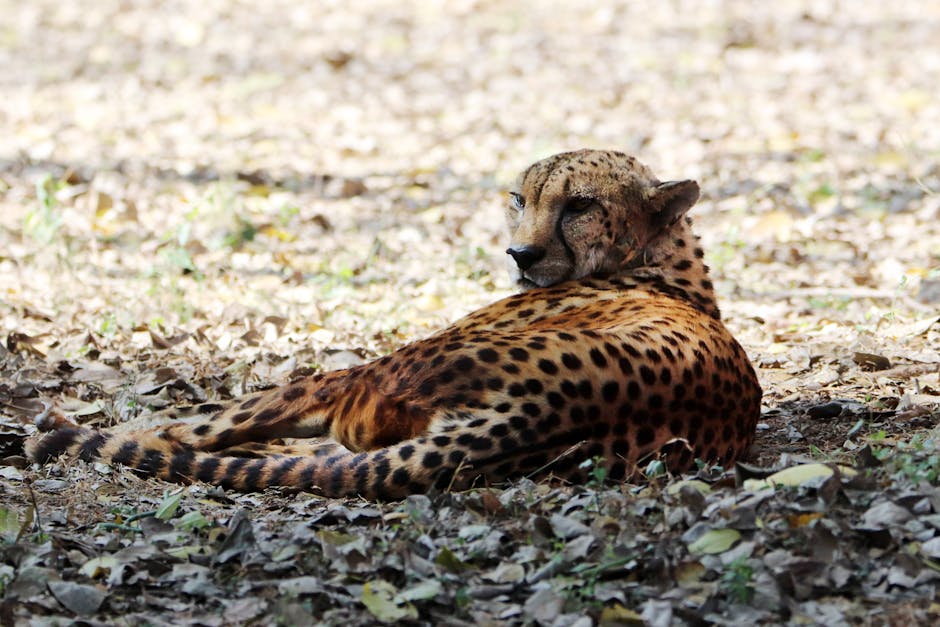
- A recent surge in Asiatic cheetah sightings in Iran offers a glimmer of hope for the critically endangered subspecies.
- Conservation efforts in Iran are underway to protect the cheetah’s habitat and reduce human-wildlife conflict.
- The Asiatic cheetah is found only in Iran, with fewer than 50 remaining in the wild, making conservation a top priority.
- Habitat loss, poaching, and human-wildlife conflict have pushed the Asiatic cheetah to the brink of extinction.
- International organizations are collaborating with the Iranian government to safeguard the cheetah’s habitat and prevent further decline.
The ongoing conflict in the Middle East has had a devastating impact on the region’s wildlife, but a recent surge in Asiatic cheetah sightings in Iran has offered a rare glimmer of hope. Conservationists have recorded several new adult and cub cheetahs, a critically endangered subspecies found only in Iran, sparking renewed efforts to protect the country’s fragile ecosystem. With estimates suggesting fewer than 50 Asiatic cheetahs remain in the wild, these new sightings are a significant boost to conservation efforts. The Iranian government, in collaboration with international organizations, has been working tirelessly to safeguard the cheetah’s habitat and reduce human-wildlife conflict.
The Plight of the Asiatic Cheetah

The Asiatic cheetah, once widely distributed across the Middle East and Central Asia, has been pushed to the brink of extinction due to habitat loss, poaching, and human-wildlife conflict. The subspecies was declared critically endangered in 1996, and since then, conservation efforts have been underway to protect the remaining cheetahs. However, the ongoing conflict in the region has hindered these efforts, making it challenging for conservationists to access areas where the cheetahs are known to exist. The recent sightings, therefore, are a significant breakthrough, and conservationists are hopeful that they can build on this momentum to protect the cheetah’s habitat and prevent further decline.
Conservation Efforts Pay Off

The new cheetah sightings are a direct result of concerted conservation efforts by the Iranian government, international organizations, and local communities. Camera traps and monitoring programs have been established in key habitats to track the cheetahs’ movement and behavior. Additionally, education and outreach programs have been implemented to raise awareness among local communities about the importance of cheetah conservation. The Iranian government has also established protected areas, such as the Touran National Park, to provide a safe habitat for the cheetahs. These efforts have yielded positive results, with the recent sightings indicating that the cheetah population may be more resilient than previously thought.
Challenges and Opportunities
Despite the positive news, the Asiatic cheetah remains one of the most endangered big cats in the world. The ongoing conflict in the region continues to pose a significant threat to the cheetah’s habitat and survival. Furthermore, human-wildlife conflict, mainly due to livestock grazing and poaching, remains a major challenge. However, the recent sightings offer a unique opportunity for conservationists to engage with local communities and build support for cheetah conservation. By working together, it may be possible to establish a stable and sustainable cheetah population, which would not only benefit the ecosystem but also contribute to the region’s biodiversity and ecological health.
A Glimmer of Hope
The new cheetah sightings have significant implications for the region’s ecosystem and biodiversity. The cheetah plays a crucial role in maintaining the balance of the ecosystem, and its loss could have far-reaching consequences. The recent sightings, therefore, offer a glimmer of hope that it may be possible to prevent the cheetah’s extinction and restore a healthy and balanced ecosystem. This, in turn, could have positive impacts on the region’s ecological health, contributing to a more sustainable and resilient environment. As conservation efforts continue, it is essential to recognize the importance of protecting the cheetah’s habitat and preventing human-wildlife conflict.
Expert Perspectives
Conservation experts and wildlife biologists have welcomed the new cheetah sightings, emphasizing the need for continued conservation efforts. According to Dr. Mohammad Farhadinia, a leading expert on Asiatic cheetah conservation, “the recent sightings are a significant breakthrough, but we must not become complacent. We need to continue working together to protect the cheetah’s habitat and prevent human-wildlife conflict.” Other experts, such as Dr. Luke Hunter, Executive Director of the Wildlife Conservation Society’s Big Cat Program, have emphasized the importance of engaging with local communities and building support for cheetah conservation. “By working together, we can establish a stable and sustainable cheetah population, which would not only benefit the ecosystem but also contribute to the region’s biodiversity and ecological health,” he said.
As the situation continues to unfold, it remains to be seen whether the recent cheetah sightings will mark a turning point in conservation efforts. One thing is certain, however: the fate of the Asiatic cheetah hangs in the balance, and concerted efforts are needed to protect this critically endangered subspecies. The international community must continue to support conservation efforts, and local communities must be engaged and empowered to take ownership of cheetah conservation. Only through collaborative and sustained efforts can we hope to prevent the extinction of the Asiatic cheetah and restore a healthy and balanced ecosystem in the region.