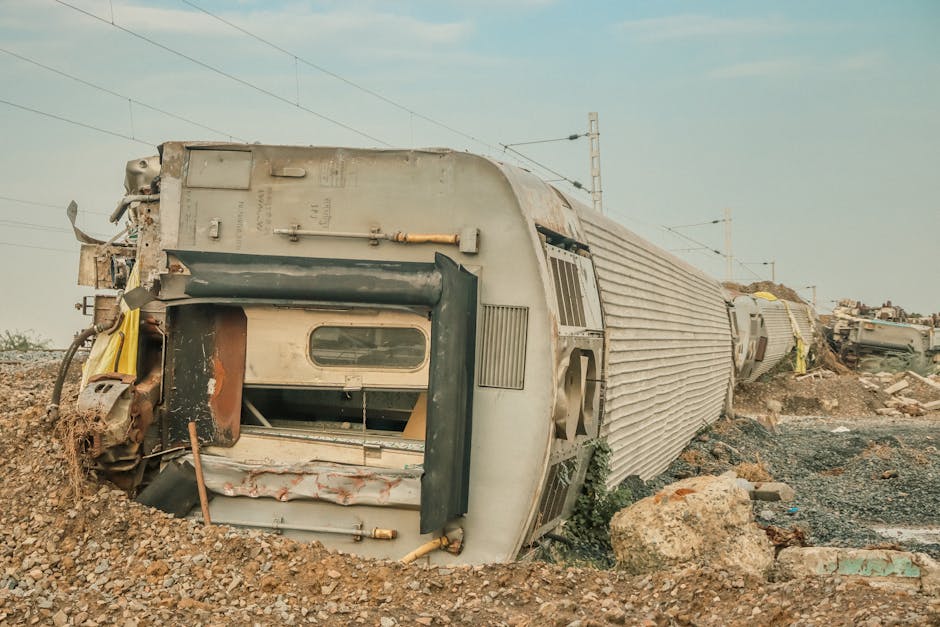
- Indonesia’s train crash highlights the country’s rail network safety and reliability concerns.
- The incident raises questions about the effectiveness of the Indonesian government’s plans to improve the rail network.
- The crash is a stark reminder of the risks associated with overcrowding, aging infrastructure, and inadequate safety protocols in Indonesia’s transportation system.
- Improved safety measures and infrastructure upgrades are needed to prevent such tragedies in the future.
- Indonesia relies heavily on its rail network to connect major cities and towns, making its safety a critical concern.
A devastating train crash in Indonesia has resulted in the loss of at least four lives and injured dozens more, according to official reports. The tragic incident occurred on the outskirts of Jakarta, the country’s capital, when a commuter train and a long-distance train collided on Monday. This incident has raised concerns about the safety and reliability of Indonesia’s rail network, which is a vital mode of transportation for millions of people. As the investigation into the cause of the crash continues, the authorities are working to provide aid and support to the affected families. The incident has also sparked a wider debate about the need for improved safety measures and infrastructure upgrades to prevent such tragedies in the future.
Background and Context

The train crash in Indonesia is a stark reminder of the risks and challenges associated with the country’s transportation system. With a large and growing population, Indonesia relies heavily on its rail network to connect major cities and towns. However, the network has been plagued by issues of overcrowding, aging infrastructure, and inadequate safety protocols. The latest incident has highlighted the urgency of addressing these concerns and investing in modernization and safety upgrades. According to Reuters, the Indonesian government has announced plans to improve the rail network, but the pace of progress has been slow. As the country continues to develop and urbanize, the need for a safe and efficient transportation system has become increasingly important.
Key Details of the Incident

The collision between the commuter train and the long-distance train occurred at a busy junction on the outskirts of Jakarta. The commuter train was traveling from Jakarta to a nearby city, while the long-distance train was en route from Jakarta to another major city in Indonesia. The exact cause of the crash is still under investigation, but preliminary reports suggest that a combination of human error and technical faults may have contributed to the incident. The authorities have confirmed that at least four people were killed and dozens more were injured, with many still receiving medical treatment. The incident has caused significant disruption to rail services, with many trains delayed or canceled as a result of the crash.
Analysis and Investigation

The investigation into the train crash is ongoing, with a team of experts from the Indonesian transport ministry and the national rail operator working to determine the cause of the incident. According to BBC, the investigators are examining the train’s safety records, as well as the actions of the drivers and other staff involved. The incident has raised questions about the adequacy of safety protocols and the need for more stringent regulations to prevent such incidents in the future. The Indonesian government has announced plans to conduct a thorough review of the rail network and implement new safety measures, but the implementation of these plans will require significant investment and resources.
Implications and Aftermath

The train crash in Indonesia has significant implications for the country’s transportation system and the millions of people who rely on it. The incident has caused widespread disruption and has raised concerns about the safety and reliability of the rail network. The authorities are working to provide support and aid to the affected families, but the long-term impact of the incident will depend on the government’s ability to implement meaningful reforms and safety upgrades. As Indonesia continues to develop and grow, the need for a safe and efficient transportation system has become increasingly urgent, and the government will need to prioritize investment in this area to prevent similar incidents in the future.
Expert Perspectives
Experts have offered contrasting viewpoints on the incident, with some emphasizing the need for greater investment in safety measures and others highlighting the challenges of implementing reforms in a complex and aging rail network. According to one expert, the incident highlights the need for a more proactive approach to safety, including regular maintenance and inspections, as well as improved training for drivers and staff. Another expert noted that the incident is a symptom of a broader problem, namely the lack of investment in Indonesia’s transportation infrastructure, and called for a more comprehensive approach to addressing these challenges.
Looking ahead, the key question is what steps the Indonesian government will take to address the safety concerns and prevent similar incidents in the future. The government has announced plans to invest in safety upgrades and modernization, but the pace of progress will be critical in determining the effectiveness of these efforts. As Indonesia continues to grow and develop, the need for a safe and efficient transportation system will only become more pressing, and the government will need to prioritize investment in this area to support the country’s long-term development goals.
Source: BBC