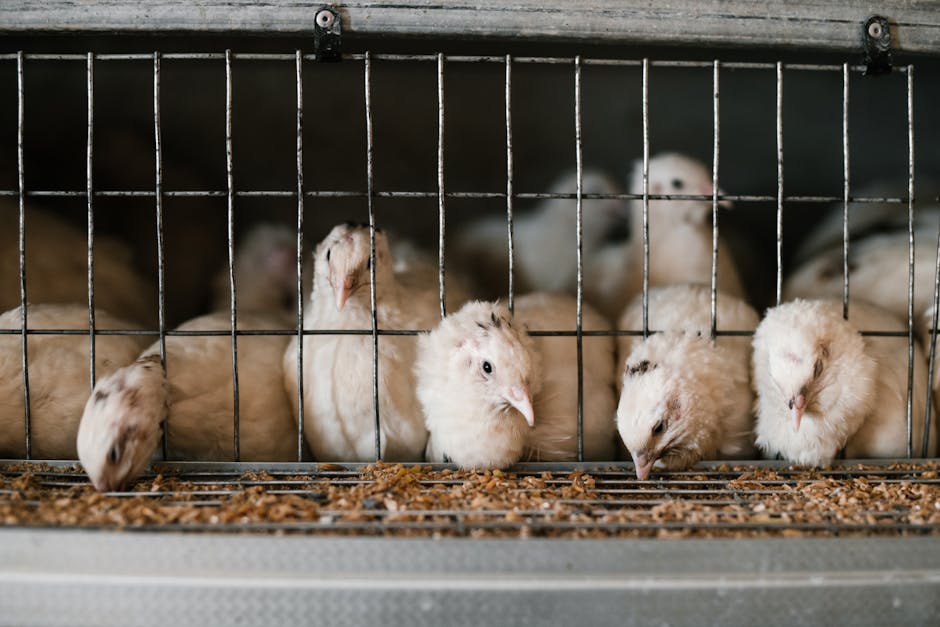
- Chlorinated chicken may contain carcinogenic compounds that pose a risk to public health.
- The UK’s decision to leave the EU has created uncertainty around food safety regulations, making it vulnerable to US pressure.
- The US is pushing for the UK to accept imports of chemical-washed chicken, which could lower food safety standards.
- Chlorinated chicken poses a significant risk to vulnerable groups, such as pregnant women and young children.
- The chlorinated chicken debate is a test case for whether UK standards will be lowered for commercial and political gain.
The notion of chlorinated chicken being sold in UK supermarkets has sparked intense debate and concern among consumers, with many questioning the potential risks to public health. A striking fact is that the US has been actively pushing for the UK to accept imports of chemical-washed chicken, with government officials considering how to respond to this pressure. This has significant implications for food safety standards in the UK, and the public is right to be concerned. According to experts, the use of chlorine to wash chicken can lead to the formation of potentially carcinogenic compounds, highlighting the need for stringent safety protocols.
The Chlorinated Chicken Conundrum

The chlorinated chicken debate matters now because it has become a test case for whether UK standards will be lowered for commercial and political gain. The UK’s decision to leave the EU has created uncertainty around food safety regulations, and the US is keen to capitalize on this by pushing for greater access to the UK market. However, this raises important questions about the potential risks to public health and the need for robust safety standards. As experts Erik Millstone and Tim Lang note, the evidence suggests that chlorinated chicken poses a significant risk to consumers, particularly vulnerable groups such as pregnant women and young children.
A History of Controversy

The use of chlorine to wash chicken has been a controversial practice for many years, with concerns raised about the potential health impacts. In the US, the practice is widespread, but in the EU, it is banned due to concerns over the formation of potentially carcinogenic compounds. The UK’s decision on whether to accept chlorinated chicken imports will have significant implications for public health, and it is essential that the government prioritizes safety standards over commercial interests. Key details include the fact that government officials have been actively considering how to respond to US pressure, with some arguing that the UK should accept chlorinated chicken imports in order to secure a trade deal.
Analysis and Expert Insights
Analysis of the data suggests that the risks associated with chlorinated chicken are real and should not be ignored. Experts point to the fact that the use of chlorine can lead to the formation of potentially carcinogenic compounds, and that this can have serious implications for public health. Furthermore, the practice of washing chicken with chlorine can also lead to the development of antibiotic-resistant bacteria, highlighting the need for a more nuanced approach to food safety. As one expert notes, the UK government must prioritize safety standards and ensure that any decision on chlorinated chicken imports is based on robust scientific evidence.
Implications for Public Health
The implications of the chlorinated chicken debate are far-reaching, with significant consequences for public health. If the UK were to accept chlorinated chicken imports, it could lead to a lowering of food safety standards, putting vulnerable groups such as pregnant women and young children at risk. Furthermore, the practice of washing chicken with chlorine could also have broader implications for the environment and animal welfare, highlighting the need for a more holistic approach to food safety. As the UK government considers its response to US pressure, it is essential that the public is aware of the potential risks and consequences of accepting chlorinated chicken imports.
Expert Perspectives
Experts are divided on the issue of chlorinated chicken, with some arguing that the risks are overstated and others highlighting the need for robust safety standards. Erik Millstone and Tim Lang, two leading experts in the field, argue that the evidence suggests that chlorinated chicken poses a significant risk to consumers, and that the UK government should prioritize safety standards over commercial interests. In contrast, some industry representatives argue that the practice of washing chicken with chlorine is safe and effective, and that the UK should accept chlorinated chicken imports in order to secure a trade deal.
Looking to the future, it is essential that the UK government prioritizes safety standards and ensures that any decision on chlorinated chicken imports is based on robust scientific evidence. The public has a right to know about the potential risks and consequences of accepting chlorinated chicken imports, and it is up to the government to provide clear and transparent information. As one expert notes, the chlorinated chicken debate is a test case for the UK’s commitment to food safety and public health, and it is essential that the government gets it right.