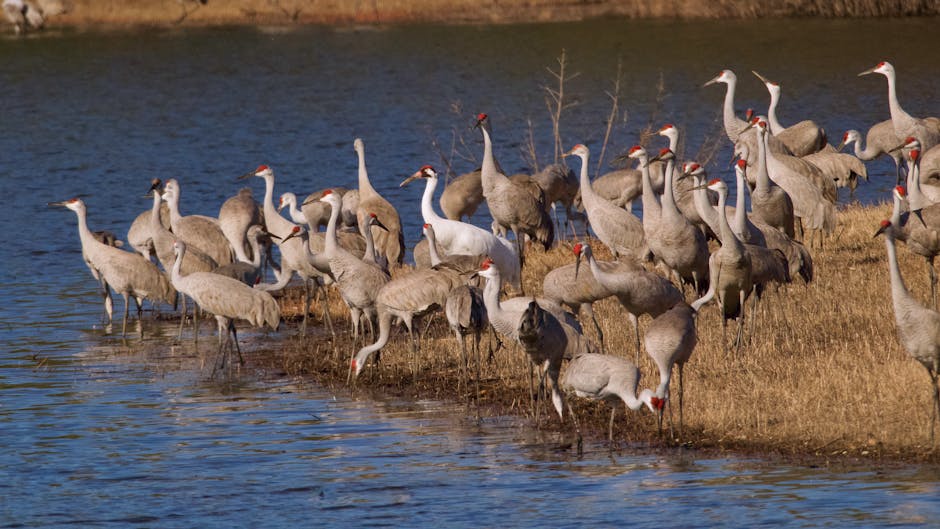
A striking fact has emerged from the newly created wetland in the Fenland project, with over 100 bird species already spotted in the area. This remarkable statistic highlights the potential of the project to provide a thriving habitat for wildlife. The creation of this wetland is a significant milestone in conservation efforts, and the early signs are promising. As the news of this new feeding ground spreads, it is likely that many more species will follow, making this a hub of biodiversity.
Restoring the Balance of Nature

The completion of the Fenland project is a timely reminder of the importance of preserving and restoring natural habitats. The degradation of wetlands has been a major concern in recent years, with many species struggling to survive as a result. The creation of this new wetland is a significant step forward in addressing this issue, and it is likely to have a positive impact on the local ecosystem. The project has been years in the making, and the hard work and dedication of the team involved are now paying off. As the wetland begins to flourish, it will be interesting to see the ripple effects on the surrounding environment.
The Fenland Project: A New Beginning

The Fenland project has been a collaborative effort between conservationists, scientists, and local authorities. The team has worked tirelessly to create a thriving habitat, complete with a diverse range of plant and animal species. The project has involved the creation of new waterways, the planting of native vegetation, and the introduction of key species to the area. The result is a vibrant and dynamic ecosystem that is already attracting a wide range of wildlife. The project’s success is a testament to the power of collaboration and the importance of preserving our natural heritage. As the project continues to evolve, it will be exciting to see the new species that arrive and the ways in which the ecosystem develops.
Understanding the Science Behind the Project
The creation of the new wetland is not just a matter of digging a few holes and planting some trees. The process involves a deep understanding of the complex relationships between different species and their environments. The team behind the project has drawn on the latest research and scientific expertise to create a habitat that is tailored to the needs of the local wildlife. This has involved careful consideration of factors such as water quality, soil composition, and the availability of food sources. The result is a wetland that is not only beautiful but also functional, providing a thriving ecosystem that will support a wide range of species. As the project continues to develop, it will be interesting to see the ways in which the science behind the project informs and shapes the conservation efforts.
A New Era for Conservation
The implications of the Fenland project are far-reaching, with the potential to support a wide range of species and to provide a thriving habitat for wildlife. The project is not just a local success story but also a model for conservation efforts around the world. As the world grapples with the challenges of climate change, habitat destruction, and biodiversity loss, the Fenland project offers a beacon of hope. The project demonstrates that with careful planning, collaboration, and a commitment to preserving our natural heritage, it is possible to create thriving ecosystems that support a wide range of species. The success of the project will have a positive impact on the local community, providing opportunities for education, research, and recreation.
Expert Perspectives
Experts in the field of conservation are hailing the Fenland project as a major success, with many praising the collaborative approach and the attention to detail that has gone into creating the wetland. However, some have also sounded a note of caution, warning that the project is not without its challenges and that ongoing management and maintenance will be crucial to its long-term success. As the project continues to evolve, it will be interesting to see how the different perspectives and opinions shape the conservation efforts and the ways in which the project develops.
Looking to the future, the Fenland project raises a number of important questions about the role of conservation in preserving our natural heritage. As the world continues to urbanize and develop, it is likely that projects like the Fenland will become increasingly important in providing a habitat for wildlife and supporting biodiversity. The project is a timely reminder of the importance of preserving our natural world and the need for ongoing conservation efforts. As the project continues to thrive, it will be exciting to see the ways in which it informs and shapes the conservation agenda, and the ways in which it inspires new generations of conservationists and scientists.