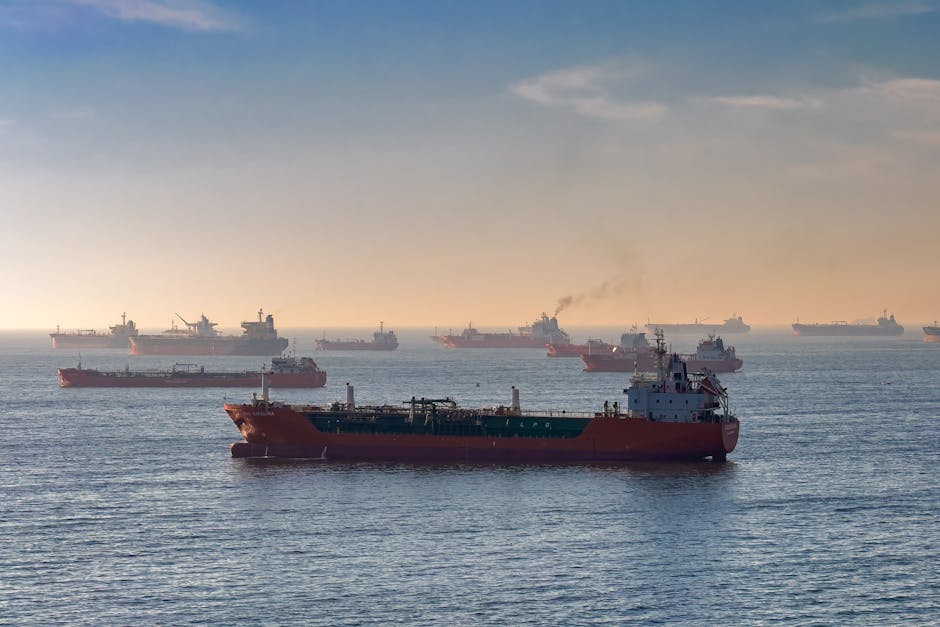
The global oil market witnessed a significant surge in prices, with Brent crude rising by more than 1 percent, despite Iran’s surprise proposal to reopen the Strait of Hormuz, a critical waterway that accounts for nearly a third of the world’s seaborne oil exports. This development has left many analysts and investors scratching their heads, as the reopening of the strait would typically lead to an increase in oil supply and subsequently, a decrease in prices. However, the complexities of the current geopolitical landscape and the nuances of Iran’s offer have contributed to the price increase, highlighting the delicate balance of the global oil market.
The Strait of Hormuz: A Critical Chokepoint

The Strait of Hormuz, which connects the Persian Gulf to the Gulf of Oman, is a vital waterway that facilitates the transportation of oil from the Middle East to the rest of the world. The strait’s significance cannot be overstated, as it accounts for nearly 30 percent of the world’s seaborne oil exports, making it a critical chokepoint in the global oil supply chain. The recent tensions between Iran and the United States, coupled with Iran’s threat to close the strait, have sent shockwaves through the oil market, leading to increased prices and heightened volatility. The fact that oil prices have risen despite Iran’s proposal to reopen the strait underscores the market’s skepticism regarding the feasibility and sustainability of such a move.
Iran’s Proposal: A Tactical Maneuver

Iran’s offer to reopen the Strait of Hormuz in exchange for a deferral of nuclear talks has been met with skepticism by the international community. The proposal, which was made by Iran’s Foreign Minister, is seen as a tactical maneuver aimed at easing the economic pressure on the country while also gaining leverage in the ongoing nuclear negotiations. The United States and its allies have been cautious in their response, emphasizing that any agreement must address the underlying issues surrounding Iran’s nuclear program. The key details of the proposal, including the terms and conditions of the reopening, remain unclear, adding to the uncertainty and volatility in the oil market.
Market Analysis: Causes and Effects
The rise in oil prices despite Iran’s proposal can be attributed to several factors, including the market’s skepticism regarding the feasibility of the proposal, the ongoing tensions between Iran and the United States, and the broader geopolitical landscape. The increase in prices has been driven by a combination of supply and demand factors, including the reduced production levels in the United States and the increasing demand from emerging economies. Furthermore, the market is also pricing in the potential risks and uncertainties associated with the ongoing tensions in the Middle East, including the possibility of a military conflict or a disruption to oil supplies. According to industry experts, the current price levels are likely to be sustained in the short term, as the market continues to grapple with the complexities of the geopolitical landscape.
Implications: A Delicate Balance
The implications of the current situation are far-reaching, with the potential to impact not only the oil market but also the broader economy. The increase in oil prices has significant implications for consumers, businesses, and governments, as it can lead to higher energy costs, reduced economic growth, and increased inflation. The delicate balance of the global oil market, coupled with the ongoing geopolitical tensions, underscores the need for a sustainable and equitable solution that addresses the underlying issues surrounding Iran’s nuclear program and the regional security concerns. As the situation continues to unfold, it is likely that the oil market will remain volatile, with prices responding to any changes in the geopolitical landscape.
Expert Perspectives
Experts in the field have offered contrasting viewpoints on the current situation, with some emphasizing the need for a diplomatic solution that addresses the underlying issues, while others have highlighted the potential risks and uncertainties associated with the ongoing tensions. According to Dr. Daniel Yergin, a leading expert on energy and geopolitics, “The current situation underscores the complexities of the global oil market and the need for a sustainable and equitable solution that addresses the underlying issues surrounding Iran’s nuclear program and the regional security concerns.” In contrast, others have emphasized the potential risks and uncertainties associated with the ongoing tensions, highlighting the need for a more robust and coordinated response from the international community.
As the situation continues to unfold, it is likely that the oil market will remain a key area of focus, with investors and analysts closely watching any developments that could impact the global oil supply chain. The open question remains whether the current tensions can be resolved through diplomatic means, or whether the situation will escalate further, leading to a more significant disruption to the global oil market. As one expert noted, “The current situation is a reminder of the delicate balance of the global oil market and the need for a sustained and coordinated effort to address the underlying issues and promote stability in the region.”