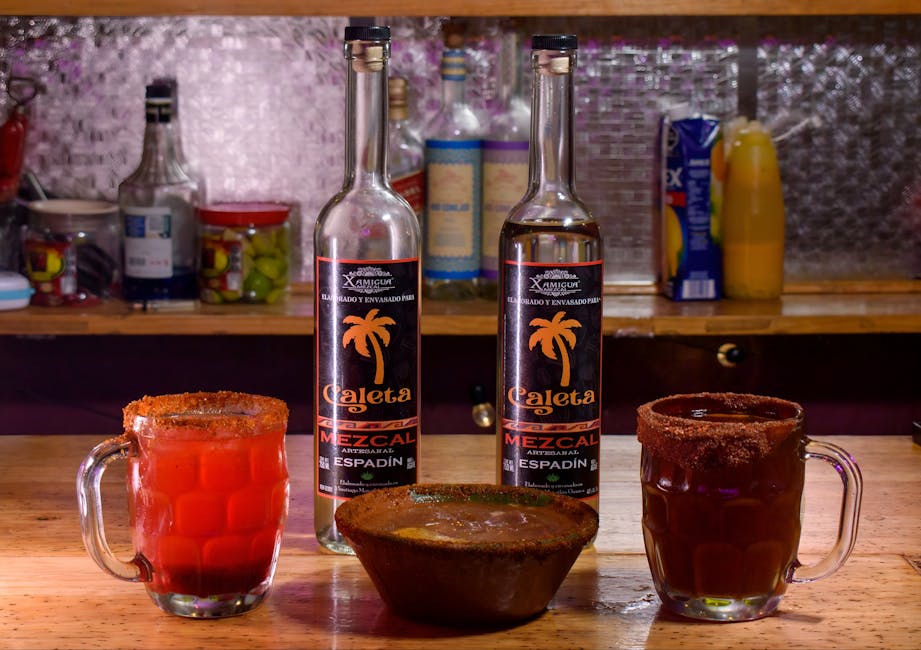
The mezcal worm, a notorious ingredient found in some bottles of mezcal, has long been a subject of fascination and debate among scientists and spirits enthusiasts alike. For years, the worm’s true identity remained a mystery, with some speculating that it was a mix of different species. However, a recent DNA test has finally cracked the case, revealing that the worm is, in fact, the larva of the agave redworm moth. This discovery has significant implications for the mezcal industry, as well as for the sustainability of the agave plants and wild populations that depend on them. With the demand for mezcal and edible larvae on the rise, concerns are being raised about the potential pressure on these ecosystems.
The Science Behind the Mezcal Worm

The mezcal worm has been a topic of interest for scientists due to its unique characteristics and the fact that it is often found in bottles of mezcal. The worm’s presence in mezcal is believed to be a result of the larva’s natural habitat, which is the agave plant. The agave plant is the primary ingredient in mezcal production, and the worm’s presence in the plant is thought to be a result of the larva’s feeding habits. However, despite its prevalence in mezcal, the worm’s true identity remained a mystery until now. The recent DNA test has provided a breakthrough in understanding the worm’s origins and has significant implications for the mezcal industry.
Key Findings of the DNA Test

The DNA test, which was conducted on a sample of mezcal worms, revealed that all of the sampled larvae were actually agave redworm moth caterpillars. This discovery is significant, as it confirms that the mezcal worm is not a mix of different species, as was previously believed. The test also provides insight into the worm’s life cycle and its dependence on the agave plant. The agave redworm moth caterpillar is a common pest in agave plantations, and its presence can have significant impacts on the plant’s health and productivity. The discovery of the worm’s true identity has significant implications for mezcal production and the sustainability of the agave plant.
Analysis of the Discovery
The discovery of the mezcal worm’s true identity has significant implications for the mezcal industry and the sustainability of the agave plant. The agave redworm moth caterpillar is a common pest in agave plantations, and its presence can have significant impacts on the plant’s health and productivity. The growing demand for mezcal and edible larvae could put pressure on wild populations and the agave plants they depend on. This raises concerns about the long-term sustainability of the mezcal industry and the potential impacts on the environment. Furthermore, the discovery of the worm’s true identity also raises questions about the potential for the mezcal industry to adopt more sustainable practices and reduce its impact on the environment.
Implications of the Discovery
The discovery of the mezcal worm’s true identity has significant implications for the mezcal industry and the sustainability of the agave plant. The growing demand for mezcal and edible larvae could put pressure on wild populations and the agave plants they depend on. This raises concerns about the long-term sustainability of the mezcal industry and the potential impacts on the environment. The discovery also highlights the need for the mezcal industry to adopt more sustainable practices and reduce its impact on the environment. This could include implementing measures to reduce the demand for wild-caught larvae and promoting more sustainable farming practices.
Expert Perspectives
Experts in the field have weighed in on the discovery, with some expressing concerns about the potential impacts on the environment. “The discovery of the mezcal worm’s true identity highlights the need for the mezcal industry to adopt more sustainable practices,” said one expert. “The growing demand for mezcal and edible larvae could have significant impacts on wild populations and the agave plants they depend on.” Others have expressed optimism about the potential for the mezcal industry to adopt more sustainable practices and reduce its impact on the environment. “The discovery of the mezcal worm’s true identity provides an opportunity for the mezcal industry to rethink its practices and adopt more sustainable methods,” said another expert.
As the mezcal industry continues to grow and evolve, it will be important to monitor the impacts of the discovery and the potential for the industry to adopt more sustainable practices. One key question is whether the industry will be able to balance the growing demand for mezcal and edible larvae with the need to protect the environment and promote sustainability. As one expert noted, “The future of the mezcal industry will depend on its ability to adopt sustainable practices and reduce its impact on the environment.” Only time will tell if the industry is able to rise to this challenge and ensure a sustainable future for the agave plant and the ecosystems that depend on it.