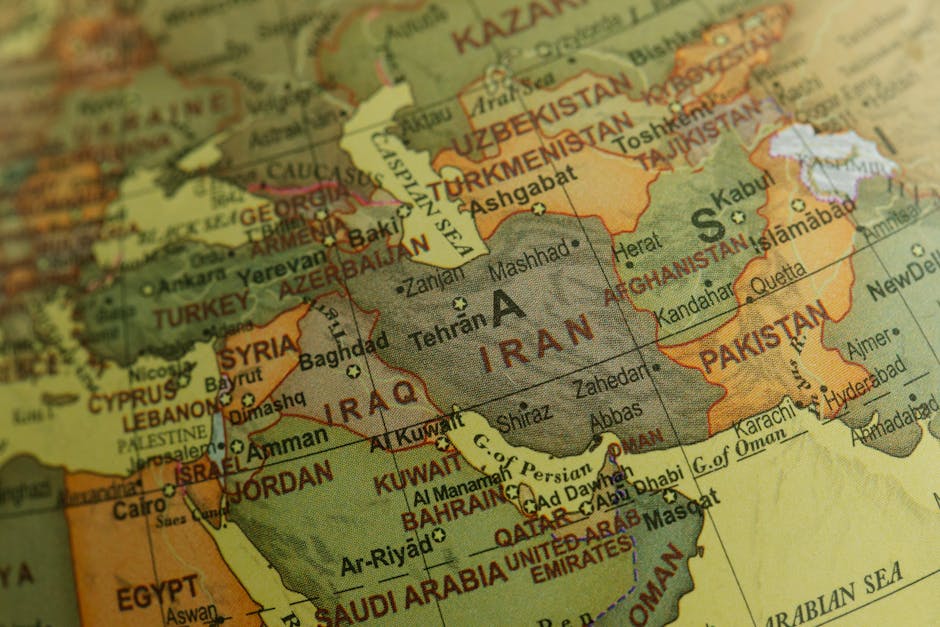
- The US-Iran conflict has escalated, with tensions rising in the Strait of Hormuz, a critical chokepoint for global energy markets.
- Nearly 20% of the world’s oil supply passes through the Strait of Hormuz, making it a highly volatile flashpoint.
- The conflict has its roots in the US withdrawal from the Iran nuclear deal and subsequent reimposition of sanctions.
- Oil prices have surged by over 10% in recent weeks, driven by the escalating tensions in the region.
- The situation in the Strait of Hormuz has the potential to disrupt global energy markets and cause widespread economic damage.
- → The Geopolitical Context
- →
The conflict in the Strait of Hormuz involves a complex array of key players and interests. The US is seeking to maintain its dominance in the region, while Iran is determined to protect its sovereignty and economic interests. Other regional players, such as Saudi Arabia and the UAE, are also involved, with their own interests and agendas. The situation is further complicated by the fact that China, the world’s largest oil importer, is a major customer of Iranian oil, and is likely to be affected by any disruption to supplies. The EU, which has been trying to salvage the JCPOA, is also watching the situation closely, and is urging all parties to exercise restraint and avoid any further escalation.
- →
The implications of the conflict in the Strait of Hormuz are far-reaching and potentially devastating. The most immediate consequence is the disruption to global energy markets, which could cause widespread economic damage and potentially even trigger a recession. The conflict also has significant geopolitical implications, with the potential to redraw the balance of power in the region and beyond. The US, Iran, Saudi Arabia, and the UAE are all likely to be affected, as are other regional players and global powers such as China and the EU. The situation is highly volatile, and the consequences of any further escalation are impossible to predict, making it essential for all parties to exercise restraint and work towards a peaceful resolution.
Expert Perspectives
The ongoing conflict between the US and Iran has taken a perilous turn, with the situation in the Strait of Hormuz rapidly deteriorating. A striking fact is that nearly 20% of the world’s oil supply passes through this narrow waterway, making it a critical chokepoint for global energy markets. As tensions escalate, the economic costs are mounting, with oil prices surging by over 10% in recent weeks. The situation is further complicated by the fact that the Strait of Hormuz is just 21 miles wide at its narrowest point, making it a highly volatile flashpoint. With President Trump facing a growing political backlash at home, the stakes are higher than ever, and the world is watching with bated breath as the situation continues to unfold.
The Geopolitical Context

The current standoff in the Strait of Hormuz is the culmination of months of escalating tensions between the US and Iran. The conflict has its roots in the US withdrawal from the Joint Comprehensive Plan of Action (JCPOA), also known as the Iran nuclear deal, which was signed in 2015. Since then, the US has reimposed stringent sanctions on Iran, crippling its economy and leading to a sharp decline in oil exports. The situation took a turn for the worse in recent weeks, with Iran seizing several oil tankers and the US responding with military deployments to the region. The conflict matters now because it has the potential to disrupt global energy markets, causing widespread economic damage and potentially even triggering a recession.
The conflict in the Strait of Hormuz involves a complex array of key players and interests. The US is seeking to maintain its dominance in the region, while Iran is determined to protect its sovereignty and economic interests. Other regional players, such as Saudi Arabia and the UAE, are also involved, with their own interests and agendas. The situation is further complicated by the fact that China, the world’s largest oil importer, is a major customer of Iranian oil, and is likely to be affected by any disruption to supplies. The EU, which has been trying to salvage the JCPOA, is also watching the situation closely, and is urging all parties to exercise restraint and avoid any further escalation.

Analysis of the situation in the Strait of Hormuz suggests that the causes of the conflict are complex and multifaceted. The US withdrawal from the JCPOA and the subsequent reimposition of sanctions on Iran have been major contributing factors, as has the rise of nationalist sentiment in both countries. The effects of the conflict are already being felt, with oil prices surging and the global economy beginning to slow. Data from the International Energy Agency (IEA) suggests that the conflict could potentially disrupt up to 20% of global oil supplies, causing widespread economic damage. Experts warn that the situation is precarious, and that any further escalation could have catastrophic consequences, including a potential war between the US and Iran.
The implications of the conflict in the Strait of Hormuz are far-reaching and potentially devastating. The most immediate consequence is the disruption to global energy markets, which could cause widespread economic damage and potentially even trigger a recession. The conflict also has significant geopolitical implications, with the potential to redraw the balance of power in the region and beyond. The US, Iran, Saudi Arabia, and the UAE are all likely to be affected, as are other regional players and global powers such as China and the EU. The situation is highly volatile, and the consequences of any further escalation are impossible to predict, making it essential for all parties to exercise restraint and work towards a peaceful resolution.
Expert Perspectives
Experts are divided on the best course of action to resolve the conflict in the Strait of Hormuz. Some argue that the US should take a tough stance against Iran, and that the use of military force may be necessary to protect American interests. Others, however, warn that this approach is fraught with danger, and that a more diplomatic approach is needed to avoid a catastrophic war. Dr. Sanam Vakil, a leading expert on Iran at the Chatham House think tank, warns that the situation is highly volatile, and that any further escalation could have devastating consequences. “The US and Iran are engaged in a game of chicken, and it’s not clear who will blink first,” she says. “The stakes are extremely high, and the consequences of any further escalation are impossible to predict.”
Looking ahead, the situation in the Strait of Hormuz is likely to remain highly volatile, with the potential for further escalation at any moment. The key question is what will happen next, and whether the US and Iran can find a way to resolve their differences peacefully. One thing is certain, however: the world will be watching the situation closely, and the consequences of any further escalation will be felt far beyond the Middle East. As the situation continues to unfold, it’s essential to stay informed and up-to-date with the latest developments, and to hope that a peaceful resolution can be found before it’s too late.