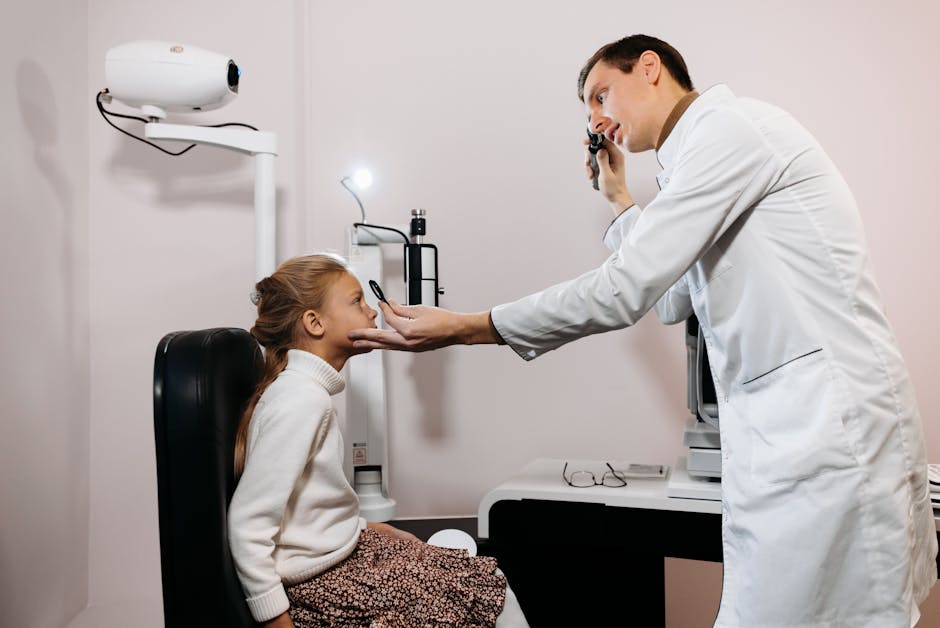
In a historic achievement, the World Health Organization (WHO) has officially declared Libya free from trachoma as a public health problem. This validation, announced on October 10, 2023, is a testament to the country’s sustained efforts over the past two decades to combat this debilitating disease. Trachoma, a bacterial infection that leads to blindness if left untreated, has been a significant health issue in many low- and middle-income countries. Libya’s success not only protects its current population but also sets a precedent for other nations in the Eastern Mediterranean Region and beyond.
The Journey to Elimination

The WHO’s validation of trachoma elimination in Libya is a milestone that underscores the importance of long-term, strategic public health interventions. Trachoma, once prevalent in the country, particularly in rural and underserved areas, has been a priority for Libyan health authorities since the early 2000s. The journey to this achievement involved a comprehensive approach, including mass drug administration, improved water and sanitation, and community education. These efforts were bolstered by international support and collaboration, particularly from the WHO and other global health organizations. The elimination of trachoma in Libya is a powerful reminder that with the right strategies and commitment, even the most neglected diseases can be overcome.
The Impact of Trachoma

Trachoma is a leading infectious cause of blindness worldwide, affecting millions of people, primarily in low-resource settings. In Libya, the disease was particularly prevalent in areas with limited access to clean water and sanitation, which are crucial for its prevention. The elimination of trachoma as a public health problem means that the risk of infection and subsequent blindness has been significantly reduced for the Libyan population. This achievement is not just a victory for Libya but also a beacon of hope for other countries grappling with similar challenges. The WHO’s validation is based on rigorous criteria, including the reduction of trachoma prevalence to less than 5% in children and the absence of severe trachoma complications in adults.
The Strategic Approach
Libya’s success in eliminating trachoma can be attributed to a multifaceted approach that addressed the root causes of the disease. Mass drug administration campaigns, using antibiotics such as azithromycin, were a cornerstone of the strategy. These campaigns, conducted annually in affected regions, significantly reduced the bacterial load in communities. Additionally, the Libyan government invested in improving water and sanitation infrastructure, which is essential for preventing the spread of trachoma. Community health workers played a vital role in educating the public about hygiene practices and the importance of regular eye exams. The involvement of local communities and the use of data-driven methods to monitor and evaluate progress were also key factors in the success of the program.
Analysis and Expert Insights
The elimination of trachoma in Libya is a result of a well-coordinated and sustained effort. According to Dr. Ahmed Elamin, a leading ophthalmologist in Libya, “The success of the trachoma elimination program is a clear example of how integrating health interventions with community development can yield significant public health benefits.” The WHO’s validation is based on a series of rigorous assessments, including surveys and data analysis, which confirmed that the disease’s prevalence has dropped below the threshold required for public health concern. This achievement is particularly notable given the ongoing socio-economic and political challenges in the country, which have often strained health systems and resources.
Implications for Public Health
The elimination of trachoma in Libya has far-reaching implications for public health. It not only prevents blindness in the current and future generations but also frees up healthcare resources that can be redirected to other pressing health issues. The success serves as a model for other countries in the Eastern Mediterranean Region and globally, demonstrating the effectiveness of a comprehensive and community-focused approach. Furthermore, it highlights the importance of international collaboration and support in achieving public health goals, especially in regions with limited resources and ongoing challenges.
Expert Perspectives
While the WHO’s validation is a significant achievement, experts caution that vigilance is necessary to maintain the gains. Dr. Mariam Ali, a public health specialist, notes, “The elimination of trachoma is a great success, but we must continue to monitor and address any resurgence. Maintaining water and sanitation infrastructure and continuing community education are crucial.” Dr. John Smith, a global health consultant, adds, “Libya’s success story offers valuable lessons for other countries. It shows that with the right strategies, even the most challenging health issues can be tackled effectively.”
The next steps for Libya and the broader region will be to sustain the gains made and to apply the lessons learned to other neglected tropical diseases. The WHO and its partners will continue to support these efforts, ensuring that the momentum is not lost. As Dr. Elamin concludes, “The fight against trachoma is not over, but today’s validation is a powerful step forward. We must remain committed to preventing and treating other neglected diseases to build a healthier future for all.”