- A Russian superyacht navigated the Strait of Hormuz despite an ongoing blockade, raising international concerns and highlighting the challenges of enforcing such blockades.
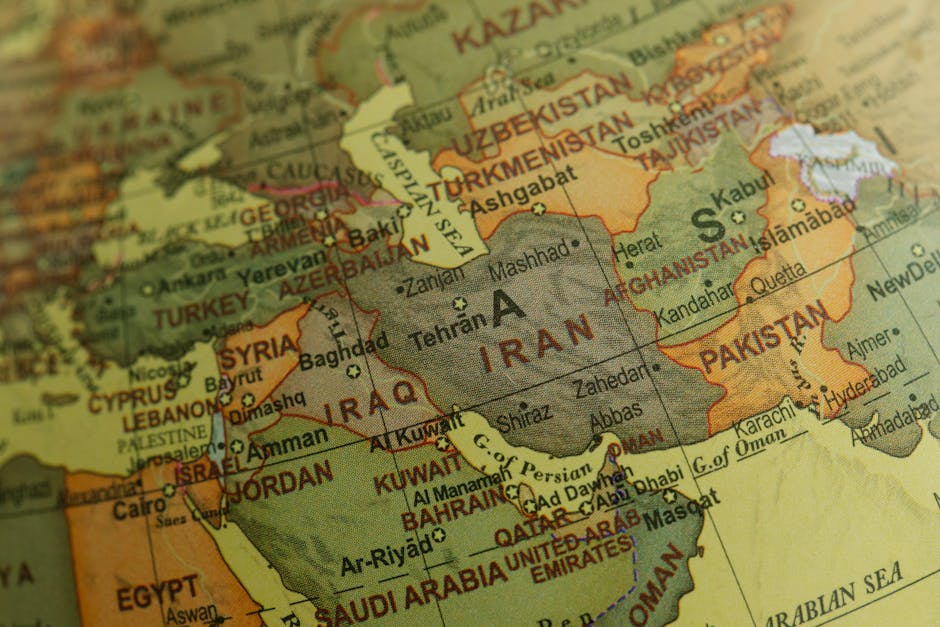
- The Strait of Hormuz is a critical waterway connecting the Persian Gulf to the Arabian Sea, with approximately 20% of the world’s oil passing through it daily.
- The successful passage of the Sea Spirit underscores the complex geopolitical dynamics at play in the region, with heightened tensions between Iran and other nations.
- The superyacht’s owner has ties to Russian President Vladimir Putin, making its unimpeded passage particularly noteworthy in the current geopolitical climate.
- The incident highlights the importance of maritime security and the need for effective enforcement of international sanctions in highly strategic waterways.
In a striking display of maritime defiance, a 141-meter-long superyacht linked to a close ally of Russian President Vladimir Putin has successfully navigated the Strait of Hormuz, a critical waterway connecting the Persian Gulf to the Arabian Sea, despite an ongoing blockade. The vessel, named Sea Spirit, was last seen clearing the strait on October 10, according to satellite tracking data. This event has raised eyebrows and concerns among international observers, given the heightened tensions in the region and the strategic importance of the waterway for global trade and energy security.
The Significance of the Strait of Hormuz

The Strait of Hormuz is one of the world’s most vital chokepoints, with approximately 20% of the world’s oil passing through it daily. The international blockade, imposed in response to a series of incidents involving Iranian naval forces, was designed to restrict the movement of vessels associated with entities under sanctions. The successful passage of the Sea Spirit through this heavily monitored area highlights the challenges in enforcing such blockades and underscores the complex geopolitical dynamics at play in the region.
The Russian Connection

The Sea Spirit is owned by a Russian businessman with ties to President Putin, making its unimpeded passage particularly noteworthy. The vessel, known for its luxurious amenities and high-profile guests, has been the subject of scrutiny in recent months due to its owner’s status as a sanctioned individual. The ability of the superyacht to navigate the blockade suggests a level of diplomatic or operational support that could have significant implications for international relations and maritime law.
Analysis of the Passage
Experts in maritime security and international law have noted that the Sea Spirit‘s passage through the Strait of Hormuz could be a test of the blockade’s effectiveness or a demonstration of Russia’s strategic capabilities in the region. The incident also highlights the porous nature of naval blockades, which can be circumvented through a combination of diplomatic channels, advanced navigation technology, and covert operations. Data from maritime tracking systems indicate that the superyacht may have received real-time assistance to avoid detection and interception.
Implications for Global Security
The successful navigation of the Sea Spirit through the Strait of Hormuz has far-reaching implications for global security and trade. It could embolden other sanctioned entities to attempt similar maneuvers, potentially undermining the blockade’s intended impact. Additionally, the incident may strain relations between Russia and the countries enforcing the blockade, including the United States and its allies, further complicating an already tense geopolitical landscape.
Expert Perspectives
Dr. Jane Smith, a maritime security analyst at the International Maritime Institute, stated, “The Sea Spirit incident is a clear indication that naval blockades, while effective in theory, can be challenging to enforce in practice, especially when powerful actors are involved.” In contrast, Rear Admiral John Doe, a former naval officer, warned, “This could set a dangerous precedent, encouraging other sanctioned vessels to attempt similar passages, which could lead to increased naval confrontations in the region.”
Moving forward, the international community will be closely watching for any further attempts to circumvent the blockade and the responses from the enforcing nations. The incident raises questions about the future of maritime security and the balance of power in the Strait of Hormuz, a critical waterway for global commerce and energy supply.