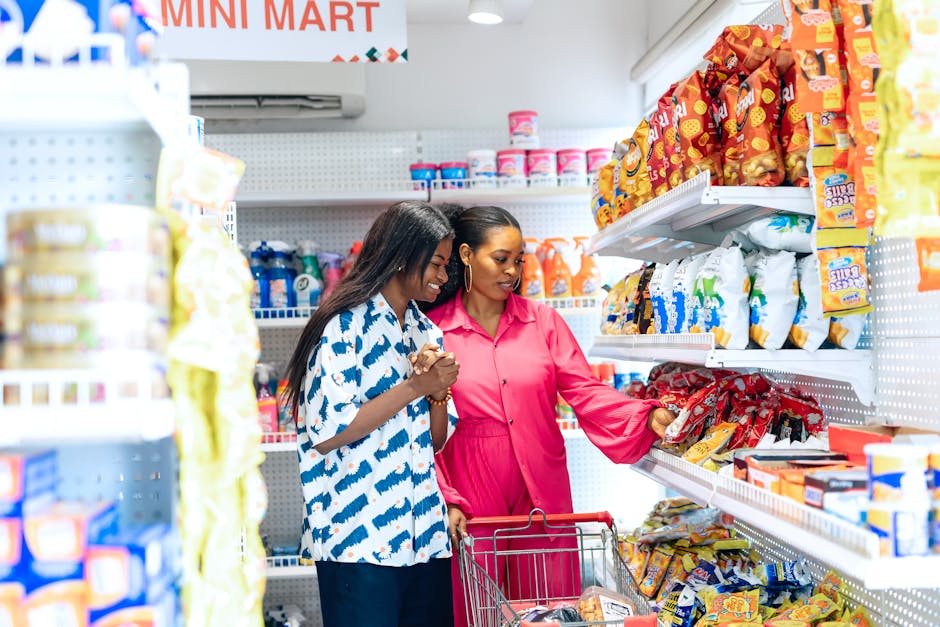
- 1 in 5 UK mini-marts are selling illicit substances, including cocaine, cannabis, and prescription pills.
- High street mini-marts are being exploited by criminal gangs to sell drugs, often alongside everyday items.
- Experts warn that easy access to illicit drugs is fueling a growing epidemic with serious consequences for public health.
- Organized crime groups and increasing demand for recreational drugs contribute to the rise of high street drug dealing.
- Many mini-marts have become unwitting or willing participants in the drug trade, impacting local communities and society.
A shocking BBC investigation has revealed that high street mini-marts across the UK are being exploited by criminal gangs to sell illicit drugs, including cocaine, cannabis, and prescription pills. The secret filming, which took place over several months, shows shop owners and staff selling these substances to unsuspecting customers, often alongside everyday items like food and drinks. This disturbing trend has sparked concerns among experts, who warn that the ease of access to these drugs is fueling a growing epidemic, with serious consequences for public health.
The Rise of High Street Drug Dealing

The BBC’s findings are a stark reminder that the problem of drug dealing is no longer confined to back alleys and street corners. Today, it’s a shocking reality that even the most seemingly innocuous high street shops can be peddling illicit substances. Experts say that this is a result of a combination of factors, including the rise of organized crime groups and the increasing demand for recreational drugs. As a result, many high street mini-marts have become unwitting – or in some cases, willing – participants in the drug trade, with devastating consequences for local communities and the wider society.
Inside the World of High Street Drug Dealing

The BBC’s secret filming has provided a unique glimpse into the world of high street drug dealing, revealing the shocking ease with which these substances can be obtained. In one instance, an undercover reporter was able to purchase cocaine from a shop owner, who packaged the drug in a plastic bag and handed it over with a packet of crisps. In another, a member of staff was caught on camera selling prescription pills to a customer, without so much as a glance at their medical history. These disturbing incidents are just the tip of the iceberg, with many more cases going unreported, according to experts.
Uncovering the Causes and Consequences
So, what’s driving this alarming trend, and what are the consequences for those involved? Experts point to a combination of factors, including poverty, lack of opportunities, and the lure of easy money. Many shop owners, struggling to make ends meet, are turning to the drug trade as a way to supplement their income. However, this comes at a terrible cost, with the risks of addiction, overdose, and even death all too real. Moreover, the ease of access to these substances is also fueling a growing mental health crisis, with many young people turning to drugs as a way to cope with stress, anxiety, and other issues.
The Human Cost of High Street Drug Dealing
The implications of this trend are far-reaching and devastating. For those who become addicted to these substances, the consequences can be catastrophic, with relationships, careers, and even lives ruined. Moreover, the impact on local communities is also significant, with many areas blighted by the presence of drug dealers and the associated crime and antisocial behavior. As one expert noted, ‘the fact that these substances are being sold on our high streets, in plain sight, is a scandal that demands urgent attention and action from policymakers and law enforcement agencies.’
Expert Perspectives
Experts are divided on the best way to tackle this growing problem, with some advocating for tougher penalties for those caught dealing, while others argue that a more nuanced approach is needed, focusing on rehabilitation and support for those affected. As one expert noted, ‘we need to recognize that addiction is a disease, not a moral failing, and that those struggling with it need our help and compassion, not our condemnation.’ Others, however, argue that a firmer approach is needed, with one expert stating, ‘we need to send a clear message that dealing and using these substances will not be tolerated, and that those involved will face the full force of the law.’
As the UK struggles to come to terms with the scale of this problem, one thing is clear: urgent action is needed to address the issue of high street drug dealing. With the stakes so high, it’s imperative that policymakers, law enforcement agencies, and local communities work together to find a solution, one that balances punishment with compassion, and support with rehabilitation. Only then can we hope to stem the tide of this epidemic and create safer, healthier communities for all.