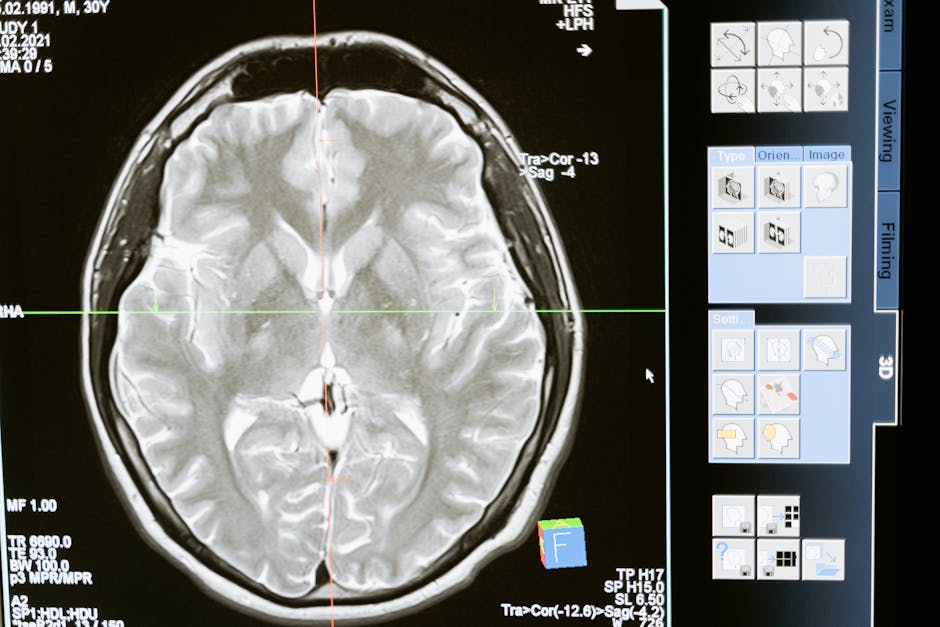
- A breakthrough in chronic pain research has identified the brain’s switch for chronic pain, a hidden region called the caudal granular insular cortex.
- The caudal granular insular cortex (CGIC) acts as a command center in the brain, dictating whether pain signals should be silenced or allowed to persist.
- The discovery of the CGIC could revolutionize pain management by providing a new target for developing effective treatments.
- Chronic pain affects approximately 50 million adults in the United States, highlighting the need for alternative treatments beyond opioids.
- Researchers hope to develop new, targeted therapies that can provide relief to those suffering from chronic pain.
Chronic pain is a debilitating condition that affects millions of people worldwide, with approximately 50 million adults in the United States alone suffering from the condition. Despite its prevalence, the underlying mechanisms of chronic pain have long been poorly understood, leaving patients with limited treatment options. However, a recent breakthrough in research may have uncovered the brain’s switch for chronic pain, a discovery that could potentially revolutionize the way we approach pain management. Deep within the brain, scientists have identified a hidden region that acts as a command center, dictating whether pain signals should be silenced or allowed to persist.
The Discovery of the Caudal Granular Insular Cortex

The discovery of the brain’s switch for chronic pain is a significant one, and it comes at a time when the need for effective pain management solutions has never been more pressing. With the opioid crisis continuing to ravage communities across the globe, the search for alternative treatments has become increasingly urgent. The caudal granular insular cortex (CGIC), a small, little-known region of the brain, has been found to play a crucial role in the development and maintenance of chronic pain. By uncovering the mechanisms by which the CGIC operates, researchers hope to develop new, targeted therapies that can provide relief to those suffering from this debilitating condition.
Uncovering the Mechanisms of Chronic Pain

Researchers have made significant strides in recent years in understanding the complex mechanisms that underlie chronic pain. While acute pain serves as a vital warning system, alerting us to potential dangers and facilitating the healing process, chronic pain is a different story altogether. Rather than serving a useful purpose, chronic pain can be a crippling and relentless companion, disrupting every aspect of a person’s life. The CGIC has been found to be a key player in this process, acting as a switch that can either silence or amplify pain signals. In animal studies, shutting down this pathway has been shown to not only prevent chronic pain from forming but also to erase it once it has taken hold.
Analysis and Implications
The implications of this discovery are profound, and they have the potential to revolutionize the way we approach chronic pain management. By targeting the CGIC, researchers may be able to develop new treatments that can provide relief to those suffering from chronic pain. This could involve the use of medications or other therapies that specifically target the CGIC, or it could involve the development of innovative technologies that can modulate the activity of this region. Whatever the approach, the potential benefits are significant, and they could have a major impact on the lives of millions of people worldwide.
A New Era in Pain Management
The discovery of the brain’s switch for chronic pain marks the beginning of a new era in pain management, one that is characterized by a deeper understanding of the complex mechanisms that underlie this condition. As researchers continue to explore the role of the CGIC in chronic pain, they may uncover new and innovative ways to target this region, providing relief to those who have long suffered in silence. The potential for breakthroughs in this area is significant, and it is likely that we will see major advances in the coming years as scientists continue to unravel the mysteries of the CGIC.
Expert Perspectives
Experts in the field are cautiously optimistic about the implications of this discovery, recognizing the potential for major breakthroughs in chronic pain management. While more research is needed to fully understand the role of the CGIC, the initial findings are promising, and they suggest that a new era in pain management may be on the horizon. As one expert noted, “The discovery of the CGIC is a game-changer for chronic pain research, and it has the potential to lead to the development of new, targeted therapies that can provide relief to those suffering from this debilitating condition.”
As researchers look to the future, they are eager to explore the potential of the CGIC as a target for chronic pain management. With the opioid crisis continuing to worsen, the need for alternative treatments has never been more pressing. The discovery of the brain’s switch for chronic pain may be the key to unlocking a new era in pain management, one that is characterized by a deeper understanding of the complex mechanisms that underlie this condition. As scientists continue to explore the role of the CGIC, they may uncover new and innovative ways to target this region, providing relief to those who have long suffered in silence.