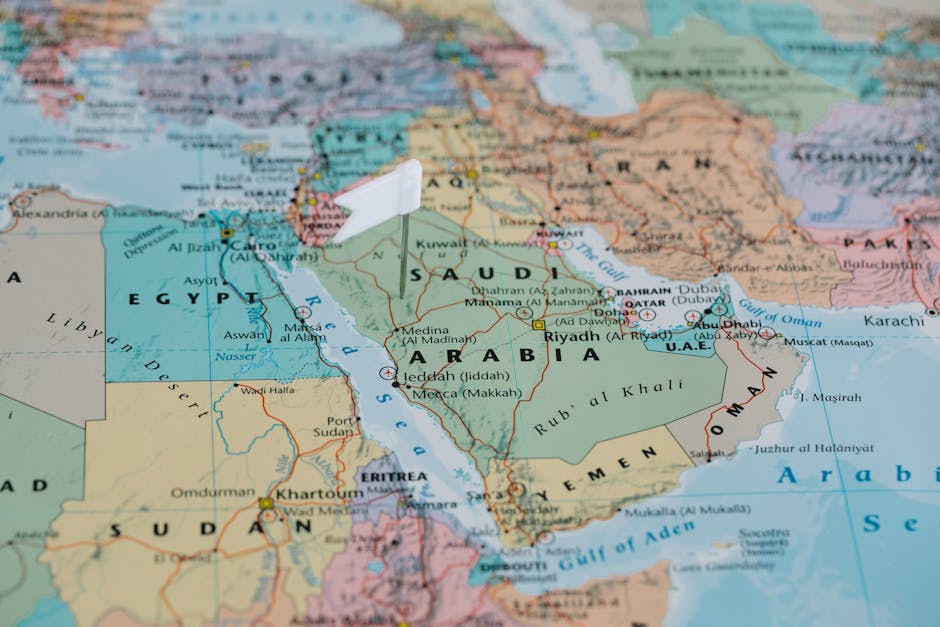
In a striking move, the Bahraini government has revoked the citizenship of 69 individuals, citing their alleged support for Iran as the primary reason. This decision has sent shockwaves throughout the region, with many questioning the motivations behind such a drastic measure. The stripping of citizenship is a severe penalty, leaving those affected without a nationality and vulnerable to deportation. This development is the latest in a series of actions taken by Bahrain to address perceived security threats, but it has been met with widespread criticism from human rights groups, who describe the move as a “blatant abuse of power”.
Background and Context

The decision to strip these individuals of their citizenship comes at a time of heightened tensions between Bahrain and Iran. Bahrain, a small island nation in the Persian Gulf, has long been wary of Iranian influence in the region. The Bahraini government has accused Iran of meddling in its internal affairs, supporting opposition groups, and even plotting to overthrow the monarchy. This context is crucial in understanding the rationale behind the citizenship revocations, as Bahrain seeks to consolidate its power and ensure stability. However, the move also underscores the deep-seated sectarian divisions within Bahrain, where the Sunni-led government has faced opposition from the Shia majority population.
The Citizenship Revocation Process

The process of revoking citizenship in Bahrain has been criticized for its lack of transparency and due process. Those who have been stripped of their citizenship were largely accused of being a threat to national security, with allegations ranging from terrorism to supporting terrorist organizations. The list of individuals includes activists, opposition leaders, and even clerics, highlighting the broad scope of the government’s crackdown. The move has been facilitated by a 2014 law that allows the government to revoke the citizenship of individuals who engage in acts deemed detrimental to state security. While the government argues that this measure is necessary to protect national interests, critics argue that it is a tool used to silence dissent and crush opposition.
Analysis and Implications
An analysis of the situation reveals that the revocation of citizenship is not only a human rights issue but also a political tool used by the Bahraini government to consolidate power. The move has significant implications for the individuals affected, who now face an uncertain future without the protection of citizenship. Moreover, it sets a dangerous precedent for the region, where the use of citizenship as a political weapon could escalate tensions and lead to further instability. From an economic perspective, the move could also have unforeseen consequences, as it may deter investment and harm Bahrain’s reputation internationally. Experts warn that such actions could lead to increased radicalization and support for extremist groups, as individuals feel marginalized and disenfranchised.
Regional and International Implications
The implications of Bahrain’s decision extend beyond its borders, affecting not only the region but also the international community. The move has been condemned by human rights organizations and has sparked concern among Western allies, who have called for Bahrain to respect human rights and the rule of law. The international community is watching closely, as the situation has the potential to escalate into a broader crisis. The United Nations has expressed concern over the arbitrary deprivation of nationality, which it considers a violation of international law. As the situation unfolds, it remains to be seen how the international community will respond and what measures will be taken to address the humanitarian and political fallout of Bahrain’s decision.
Expert Perspectives
Experts in the field offer contrasting viewpoints on the situation, reflecting the complexity and sensitivity of the issue. Some argue that the move is a necessary measure to ensure national security, given the real and perceived threats from Iran. Others, however, see it as a gross violation of human rights and an attempt to suppress political opposition. According to one expert, “The revocation of citizenship is a drastic measure that should only be used in the most extreme circumstances. In this case, it appears to be a politically motivated decision aimed at silencing dissent.” Another expert notes, “The international community must take a strong stance against such actions, as they undermine the principles of human rights and the rule of law.”
Looking forward, the situation in Bahrain remains volatile, with many questions unanswered. What will be the fate of those who have been stripped of their citizenship? How will the international community respond to this crisis? As the region teeters on the brink of instability, one thing is clear: the actions of the Bahraini government have significant implications for the future of the country and the wider region. The coming months will be crucial in determining the trajectory of this crisis, as stakeholders navigate the complex web of political, humanitarian, and security challenges. The world watches with bated breath, awaiting the next move in this unfolding drama.