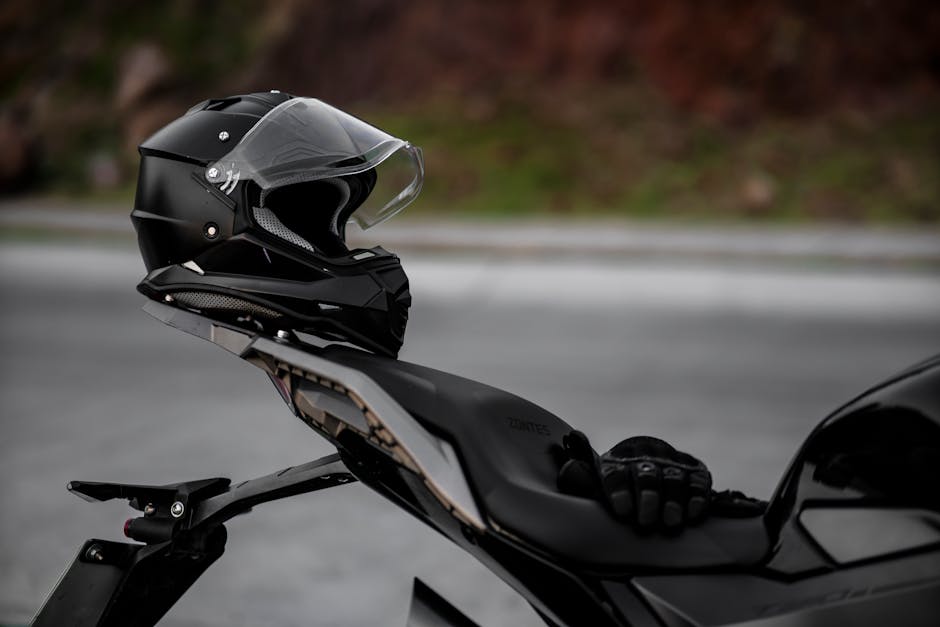
- Airbag suits in motorcycle racing reduce the risk of fatal injuries by up to 20%.
- Riders like Pedro Acosta are leading the charge in promoting the use of airbag suits for enhanced safety.
- The traditional safety gear used in motorcycle racing includes helmets, gloves, and leather suits, but these have limitations.
- Airbag suits deploy in the event of a crash, providing an additional layer of protection to the rider’s vital organs.
- This innovative safety technology is becoming more mainstream in professional motorcycle racing.
Motorcycle racing is one of the most thrilling and demanding sports in the world, with riders reaching speeds of over 200 miles per hour and experiencing forces of up to 5G. However, this high-speed sport also comes with a significant risk of injury or death. According to the International Motorcycling Federation, there were over 100 reported fatalities in professional motorcycle racing between 2010 and 2020. In a bid to reduce this alarming statistic, riders like Pedro Acosta are turning to innovative safety gear, including airbag suits. These suits have been shown to reduce the risk of fatal injuries by up to 20% and are becoming an essential part of every rider’s safety arsenal.
The Evolution of Motorcycle Safety

The development of airbag suits is the latest milestone in the evolution of motorcycle safety. Over the years, riders have relied on traditional safety gear such as helmets, gloves, and leather suits to protect themselves in the event of a crash. However, these traditional methods have their limitations, and the introduction of airbag technology has marked a significant shift in the way riders approach safety. The airbag suit is designed to deploy in the event of a crash, providing an additional layer of protection to the rider’s vital organs and reducing the risk of serious injury. With the help of riders like Pedro Acosta, who have been instrumental in promoting the use of airbag suits, this technology is becoming more mainstream and is expected to revolutionize the sport.
How the Airbag Suit Works

Pedro Acosta’s airbag suit is a sophisticated piece of equipment that uses a combination of sensors and algorithms to detect when a rider is involved in a crash. The suit is equipped with a series of accelerometers and gyroscopes that monitor the rider’s movements and detect any sudden changes in speed or direction. When a crash is detected, the suit deploys a series of airbags that provide protection to the rider’s chest, back, and shoulders. The airbags are designed to absorb the impact of the crash, reducing the force of the blow and minimizing the risk of serious injury. According to Acosta, the suit has been a game-changer for him, providing an added layer of confidence and security when he is on the track.
Expert Analysis
The introduction of airbag suits has been welcomed by experts in the motorcycle racing community, who see this technology as a major breakthrough in safety. According to Dr. Michele Zasa, a leading expert in motorcycle safety, the airbag suit has the potential to reduce the number of fatal injuries in motorcycle racing by up to 50%. Zasa notes that the suit’s ability to detect crashes and deploy airbags in real-time makes it a highly effective safety device. However, Zasa also cautions that the suit is not a substitute for traditional safety gear and that riders should continue to wear helmets, gloves, and other protective equipment when riding.
Implications for the Sport
The widespread adoption of airbag suits is expected to have significant implications for the sport of motorcycle racing. With the risk of fatal injuries reduced, riders may be more willing to push themselves to the limit, resulting in faster lap times and more competitive racing. Additionally, the use of airbag suits may also lead to changes in the way that tracks are designed, with a greater emphasis on safety features such as run-off areas and crash barriers. As the sport continues to evolve, it is likely that we will see even more innovative safety technologies emerge, further reducing the risk of injury and death for riders.
Expert Perspectives
Experts in the motorcycle racing community have differing opinions on the impact of airbag suits on the sport. Some, like Dr. Zasa, see the suits as a major breakthrough in safety, while others are more skeptical. According to former rider and safety expert, Valentino Rossi, the airbag suit is a useful tool, but it is not a substitute for good riding technique and track sense. Rossi notes that riders still need to be aware of their surroundings and take steps to avoid crashes, even with the added protection of an airbag suit.
As the sport of motorcycle racing continues to evolve, it will be interesting to see how the use of airbag suits develops. Will we see a reduction in the number of fatal injuries, and will the suits become a standard part of every rider’s safety gear? Only time will tell, but one thing is certain – the introduction of airbag suits is a major step forward for safety in motorcycle racing, and riders like Pedro Acosta are at the forefront of this revolution.