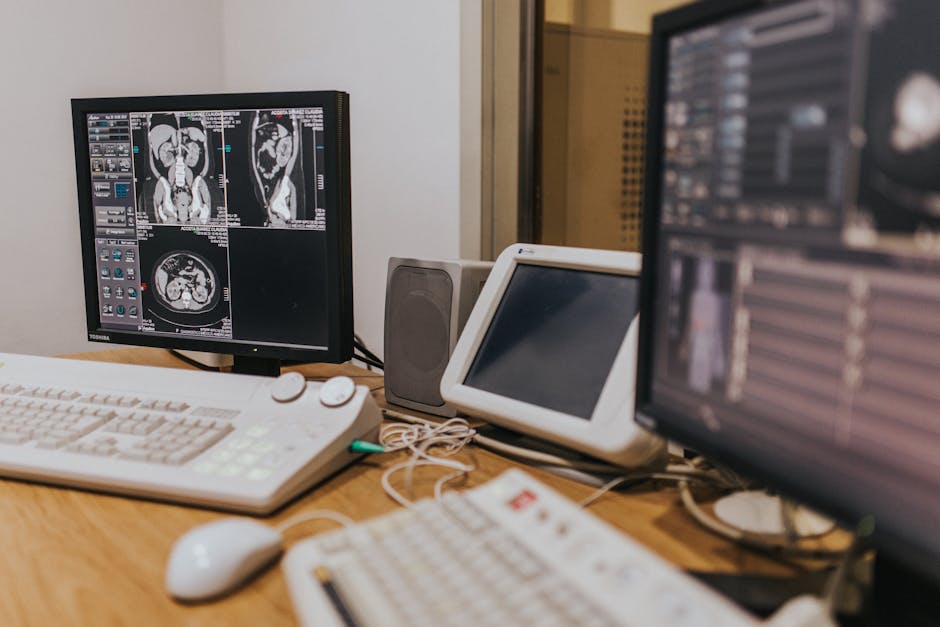
- AI has discovered 38 vulnerabilities in the largest open source medical record software, highlighting its importance in healthcare security.
- Electronic health records create new vulnerabilities that can be exploited by hackers, emphasizing the need for robust security measures.
- Open source software in healthcare poses security risks due to openly available code, which can be exploited by malicious actors.
- AI can identify and flag potential security flaws in medical record software, facilitating prompt action to mitigate risks.
- The security of medical records is a growing concern, with AI playing a key role in improving security and integrity.
The use of artificial intelligence in the healthcare sector has led to a significant discovery, with AI uncovering 38 vulnerabilities in the largest open source medical record software. This finding has sent shockwaves throughout the medical community, highlighting the importance of AI in identifying critical security flaws that could compromise patient data. The discovery is a striking example of how AI can be used to improve the security and integrity of medical records, which are increasingly being stored digitally. With the rise of electronic health records, the need for robust security measures has never been more pressing, and AI is poised to play a key role in this effort.
The Growing Importance of Medical Record Security

The security of medical records is a growing concern, with the rise of electronic health records creating new vulnerabilities that can be exploited by hackers and other malicious actors. The use of open source software has become increasingly popular in the healthcare sector, as it offers a cost-effective and customizable solution for managing medical records. However, the use of open source software also creates new security risks, as the code is openly available for anyone to review and exploit. This is where AI comes in, as it can be used to identify potential security flaws and vulnerabilities in the software, allowing for prompt action to be taken to mitigate these risks.
Vulnerabilities Discovered by AI

The 38 vulnerabilities discovered by AI in the largest open source medical record software are a cause for concern, as they could potentially be exploited by hackers to gain access to sensitive patient data. The vulnerabilities include flaws in the software’s authentication and authorization protocols, as well as weaknesses in the software’s data encryption methods. These vulnerabilities could allow hackers to access medical records, modify patient data, and even disrupt the operation of healthcare services. The fact that AI was able to identify these vulnerabilities highlights the importance of using AI in medical record security, as human reviewers may have missed these flaws.
Analysis of the Discovery
The discovery of the 38 vulnerabilities by AI is a significant finding, as it highlights the importance of using AI in medical record security. The use of AI in this context allows for the rapid identification of potential security flaws, which can then be addressed by the software developers. This is a critical step in ensuring the security and integrity of medical records, as it prevents hackers and other malicious actors from exploiting these vulnerabilities. The analysis of the discovery also highlights the need for ongoing monitoring and testing of medical record software, as new vulnerabilities can emerge at any time. By using AI to identify these vulnerabilities, healthcare organizations can stay one step ahead of potential threats and ensure the security of patient data.
Implications of the Discovery
The implications of the discovery are significant, as it highlights the need for robust security measures to be put in place to protect medical records. The discovery of the 38 vulnerabilities by AI is a wake-up call for healthcare organizations, as it highlights the potential risks associated with the use of open source software. The fact that AI was able to identify these vulnerabilities also highlights the importance of using AI in medical record security, as it can help to identify potential security flaws that may have been missed by human reviewers. The implications of the discovery also extend to the software developers, as they must now take prompt action to address the vulnerabilities and ensure the security and integrity of the software.
Expert Perspectives
Experts in the field of medical record security have welcomed the discovery, as it highlights the importance of using AI in this context. According to one expert, the use of AI in medical record security is a game-changer, as it allows for the rapid identification of potential security flaws. Another expert noted that the discovery of the 38 vulnerabilities by AI is a significant finding, as it highlights the need for ongoing monitoring and testing of medical record software. The experts also noted that the use of AI in medical record security is not a replacement for human reviewers, but rather a complementary tool that can help to identify potential security flaws.
Looking to the future, it is clear that AI will play an increasingly important role in medical record security. As the use of electronic health records continues to grow, the need for robust security measures will only increase. The discovery of the 38 vulnerabilities by AI is a significant finding, as it highlights the importance of using AI in this context. As the healthcare sector continues to evolve, it is likely that we will see increased investment in AI-powered security solutions, as healthcare organizations seek to protect patient data and prevent cyber attacks. One open question is how healthcare organizations will balance the need for robust security measures with the need for convenient and accessible medical records, and it will be interesting to see how this plays out in the coming years.