- The AI industry’s energy consumption surged 20% in one year, sparking debate over sustainability.
- The industry’s energy usage is largely driven by computational power required to train and deploy complex machine learning models.
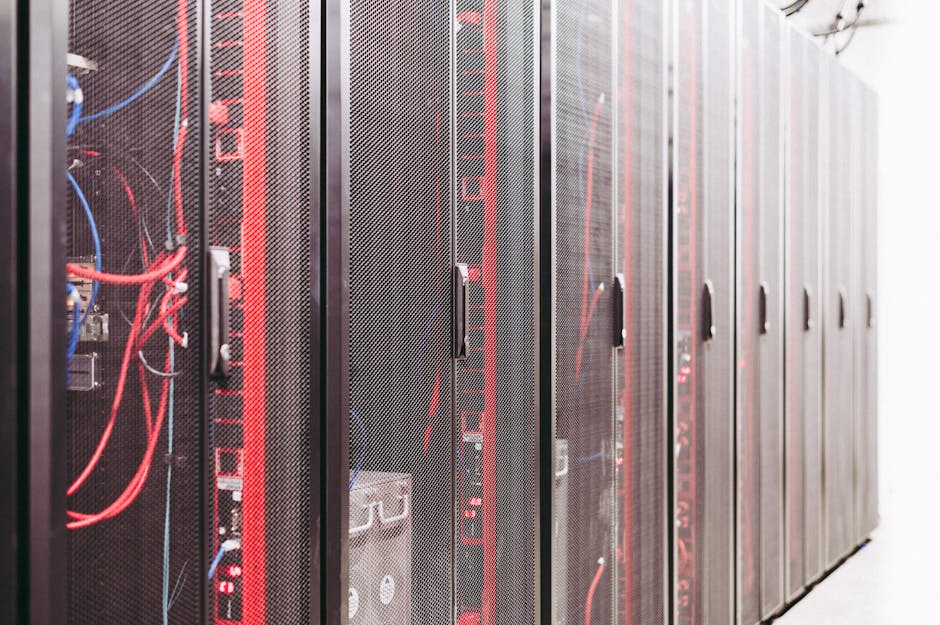
- Data centers, servers, and infrastructure underpin the AI industry, contributing to significant environmental impact.
- The AI industry’s energy consumption is projected to continue its upward trend, exacerbating climate change and air pollution.
- Forcing AI companies to produce half of their own electricity is being considered to address energy consumption concerns.
The demand for artificial intelligence (AI) has led to an unprecedented surge in energy consumption, with some estimates suggesting that the industry’s energy usage has increased by as much as 20% in just one year. This staggering growth has sparked intense debate over the reasonableness of forcing AI companies to produce at least half of their own electricity. As the world grapples with the challenges of climate change and sustainable energy, the question of whether AI companies should be held accountable for their energy consumption has become a pressing concern. With the AI industry’s energy usage projected to continue its upward trend, it is essential to examine the implications of such a policy and consider the potential consequences for the environment, the economy, and the industry as a whole.
The Growing Energy Needs of the AI Industry

The AI industry’s insatiable appetite for energy is largely driven by the computational power required to train and deploy complex machine learning models. As the demand for AI-powered services continues to grow, so too does the need for energy to power the data centers, servers, and other infrastructure that underpin the industry. The environmental impact of this energy consumption is significant, with the production of greenhouse gases and other pollutants contributing to climate change and air pollution. As such, the question of how to mitigate the AI industry’s energy consumption has become a pressing concern, with many advocating for the adoption of renewable energy sources and more sustainable practices.
Regulatory Efforts to Address AI Energy Consumption

In response to the growing concerns over AI energy consumption, regulatory bodies and governments around the world are beginning to take action. For example, the European Union has introduced legislation aimed at reducing the carbon footprint of data centers, while some cities in the United States have implemented rules requiring new data centers to be powered by renewable energy sources. However, the question of whether AI companies should be forced to produce at least half of their own electricity remains a topic of intense debate. Proponents argue that such a policy would incentivize companies to invest in renewable energy sources and reduce their reliance on fossil fuels, while opponents claim that it would be overly burdensome and potentially harmful to the industry’s competitiveness.
Expert Analysis of the Proposal
From an analytical perspective, the proposal to force AI companies to produce at least half of their own electricity is complex and multifaceted. On the one hand, it could lead to a significant reduction in greenhouse gas emissions and other pollutants, which would have a positive impact on the environment. On the other hand, it could also lead to increased costs for companies, which could potentially harm their competitiveness and lead to job losses. Furthermore, the feasibility of such a policy is also a concern, as it would require significant investments in renewable energy infrastructure and could be difficult to implement and enforce. As such, it is essential to carefully weigh the potential benefits and drawbacks of such a policy and consider the perspectives of experts from a variety of fields, including energy, economics, and environmental science.
Implications for the Environment and the Economy
The implications of forcing AI companies to produce at least half of their own electricity are far-reaching and could have significant consequences for both the environment and the economy. On the environmental side, a reduction in greenhouse gas emissions and other pollutants could lead to improved air quality, reduced climate change, and a range of other benefits. However, the economic implications are more complex, and could potentially include increased costs for companies, job losses, and reduced competitiveness. As such, it is essential to carefully consider the potential consequences of such a policy and develop strategies to mitigate any negative effects. This could include providing incentives for companies to invest in renewable energy sources, implementing measures to reduce energy consumption, and developing new technologies and innovations that can help reduce the industry’s environmental impact.
Expert Perspectives
Experts from a variety of fields have weighed in on the proposal to force AI companies to produce at least half of their own electricity, with some advocating for the policy and others expressing concerns. For example, environmental scientists argue that the policy could lead to a significant reduction in greenhouse gas emissions and other pollutants, while economists warn that it could lead to increased costs for companies and potentially harm their competitiveness. As such, it is essential to consider the perspectives of experts from a range of fields and develop a nuanced understanding of the potential benefits and drawbacks of such a policy.
Looking to the future, it is clear that the AI industry’s energy consumption will continue to be a pressing concern, and that the question of how to mitigate its environmental impact will only become more urgent. As such, it is essential to continue monitoring developments in this area and to consider the potential consequences of different policy approaches. One key question that remains to be answered is how to balance the need to reduce the AI industry’s environmental impact with the need to ensure the industry’s continued competitiveness and growth. As the world continues to grapple with the challenges of climate change and sustainable energy, it is likely that this debate will only continue to evolve and intensify.