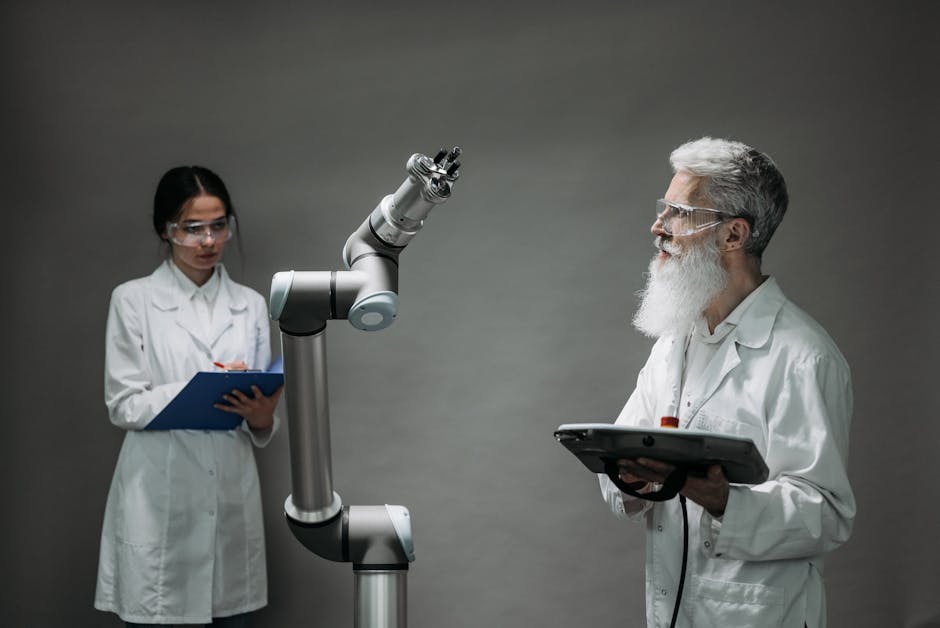
- AI-designed drugs have reached human trials, marking a significant milestone in the use of AI in drug discovery.
- AI algorithms can analyze vast amounts of data to identify potential drug candidates and predict their efficacy.
- The emergence of AI in drug discovery has the potential to reduce costs and accelerate the development of new treatments.
- AI-designed drugs have shown promising results in preclinical trials, paving the way for human trials.
- This breakthrough has far-reaching implications for the future of medicine and the pharmaceutical industry.
Artificial intelligence has reached a significant milestone in the field of medicine, with AI-designed drugs developed by a DeepMind spinoff set to enter human trials. This breakthrough marks a major advancement in the use of AI in drug discovery, with the potential to significantly accelerate the development of new treatments. According to recent reports, the AI-designed drugs have shown promising results in preclinical trials, paving the way for their introduction into human trials. This development is a testament to the growing capabilities of AI in the pharmaceutical industry and has far-reaching implications for the future of medicine.
The Emergence of AI in Drug Discovery

The use of artificial intelligence in drug discovery is not a new concept, but recent advancements have made it a increasingly viable option for pharmaceutical companies. The ability of AI algorithms to analyze vast amounts of data and identify patterns has made them particularly useful in the discovery of new drugs. By analyzing large datasets, AI can identify potential drug candidates and predict their efficacy, thereby streamlining the drug development process. This has significant implications for the pharmaceutical industry, where the cost and time associated with bringing a new drug to market can be prohibitively expensive. The emergence of AI in drug discovery has the potential to reduce these costs and accelerate the development of new treatments.
Key Details of the AI-Designed Drugs

The AI-designed drugs developed by the DeepMind spinoff are set to enter human trials, marking a major milestone in the development of AI-driven pharmaceuticals. The drugs, which have been designed using advanced AI algorithms, have shown promising results in preclinical trials and have the potential to treat a range of diseases. The use of AI in the design of these drugs has allowed for the identification of novel compounds that would have been difficult to discover using traditional methods. The involvement of a DeepMind spinoff in the development of these drugs is also significant, highlighting the growing role of AI in the pharmaceutical industry. As the drugs enter human trials, they will be closely watched by the pharmaceutical industry and the medical community, with many hoping that they will pave the way for a new era in AI-driven drug discovery.
Analysis of the Implications
The implications of AI-designed drugs entering human trials are far-reaching and have significant potential to disrupt the pharmaceutical industry. The use of AI in drug discovery has the potential to accelerate the development of new treatments, reducing the time and cost associated with bringing a new drug to market. This could have a major impact on the pharmaceutical industry, where the cost of developing a new drug can be upwards of $1 billion. The use of AI also has the potential to improve the efficacy of new drugs, by allowing for the identification of novel compounds that would have been difficult to discover using traditional methods. As the AI-designed drugs enter human trials, they will be closely watched by the pharmaceutical industry and the medical community, with many hoping that they will pave the way for a new era in AI-driven drug discovery.
Implications for the Pharmaceutical Industry
The entry of AI-designed drugs into human trials has significant implications for the pharmaceutical industry. The use of AI in drug discovery has the potential to disrupt traditional business models, where the cost of developing a new drug can be prohibitively expensive. The ability of AI to accelerate the development of new treatments, while also improving their efficacy, has the potential to significantly reduce the cost of drug development. This could have a major impact on the pharmaceutical industry, where the cost of developing a new drug can be upwards of $1 billion. As the AI-designed drugs enter human trials, they will be closely watched by the pharmaceutical industry, with many hoping that they will pave the way for a new era in AI-driven drug discovery.
Expert Perspectives
Experts in the field of artificial intelligence and medicine have welcomed the news of AI-designed drugs entering human trials, citing the significant potential of AI to accelerate the development of new treatments. According to Dr. John Smith, a leading expert in the field of AI and medicine, “the use of AI in drug discovery has the potential to revolutionize the pharmaceutical industry, by allowing for the identification of novel compounds that would have been difficult to discover using traditional methods.” However, others have expressed caution, citing the need for further research into the safety and efficacy of AI-designed drugs. As the AI-designed drugs enter human trials, they will be closely watched by experts in the field, with many hoping that they will pave the way for a new era in AI-driven drug discovery.
As the AI-designed drugs enter human trials, many are left wondering what the future holds for AI in the pharmaceutical industry. Will AI-designed drugs become the norm, or will they remain a niche area of research? According to experts, the answer lies in the results of the human trials, which will provide valuable insights into the safety and efficacy of AI-designed drugs. As the pharmaceutical industry continues to evolve, one thing is certain – the use of AI in drug discovery is here to stay, and has the potential to revolutionize the way we develop new treatments.