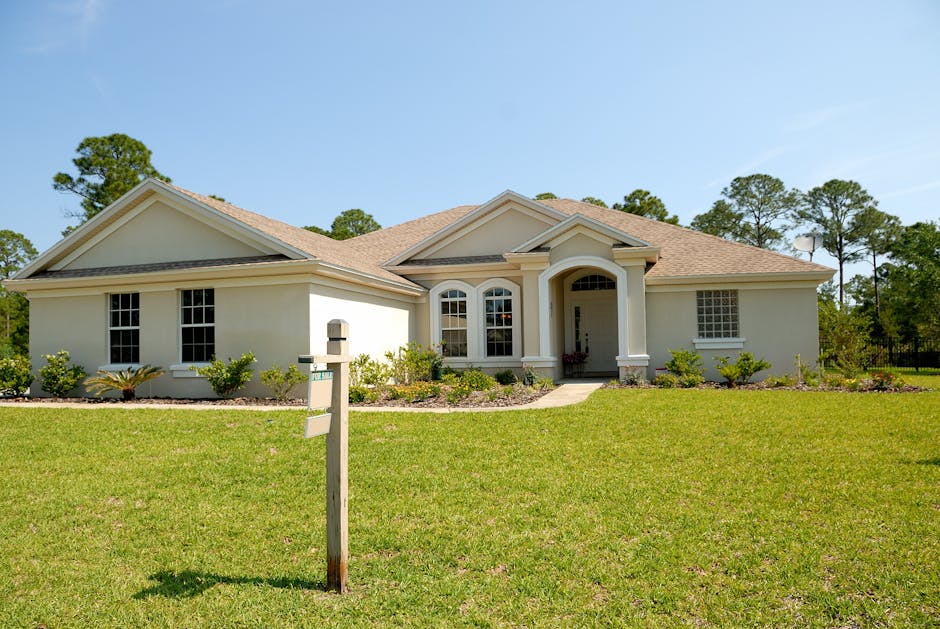
- Over 700,000 homes in the US are being traded in private, opaque transactions known as ‘dark pools’, bypassing public listings.
- These shadow markets, fueled by institutional investors, now account for 12% of single-family home transfers in major metro areas.
- The rise of dark pools is exacerbating affordability challenges for ordinary buyers in competitive bidding scenarios.
- High mortgage rates, near 7%, have trapped existing homeowners in their current properties, reducing public inventory.
- The US housing market is experiencing a paradoxical phase, with high demand yet stagnant sales volumes due to rate lock-in effect.
More than 700,000 homes remain off-market in the United States, locked in a growing network of private real estate exchanges known as ‘dark pools’, where institutional investors trade residential properties without public disclosure. These opaque transactions, once rare, now account for over 12% of all single-family home transfers in major metro areas like Phoenix, Atlanta, and Dallas, according to data from CoreLogic. Unlike traditional listings on platforms like Zillow or Realtor.com, these deals occur behind closed doors, often involving Wall Street-backed firms and real estate investment trusts. With mortgage rates hovering near 7% and inventory squeezed, the rise of these shadow markets is exacerbating affordability challenges for ordinary buyers, who are increasingly shut out of competitive bidding scenarios they never even see advertised.
The Hidden Liquidity Behind a Frozen Market

The US housing market has entered a paradoxical phase: demand remains high, yet sales volumes have stagnated. Despite a population boom and a persistent shortage of homes—the US is an estimated 3.5 million units behind demand—the number of existing-home sales fell to a 27-year low in 2023. The culprit? Sky-high mortgage rates have trapped existing homeowners in their current properties, unwilling to give up 3% loans for new ones at double the cost. This ‘rate lock-in effect’ has slashed public inventory to just 3.4 months’ supply, well below the six-month benchmark for a balanced market. In this vacuum, institutional investors have stepped in, creating private trading networks where homes can be flipped, leased, or held without the scrutiny of public records. These dark pools, modeled after those in bond and stock markets, allow rapid portfolio rebalancing while avoiding public price discovery, effectively sidelining traditional buyers.
How Wall Street Built a Shadow Housing Market

The mechanics of real estate dark pools resemble financial derivatives trading. Firms like Invitation Homes, Pretium Partners, and Blackstone-affiliated companies use private platforms to bundle thousands of single-family homes into digital portfolios, which are then traded among investors using non-disclosure agreements and exclusive access protocols. These platforms, such as the one operated by startup Kolme Group, enable off-exchange transactions that never touch the Multiple Listing Service (MLS), meaning no appraisals, no open houses, and no public pricing. In some cases, homes are purchased at auction, renovated remotely, and resold to other investors before ever being marketed to individual buyers. A 2024 investigation by Reuters found that over 40,000 homes changed hands through such channels in the past two years alone, with transaction speeds averaging just 11 days compared to the national median of 62.
Why Transparency Is Losing Ground

The growth of dark pools is fueled by structural gaps in real estate regulation. While stock trades must be reported to public exchanges, real estate transactions only require county-level deed filings, which are often delayed and inconsistently formatted. This lack of standardization allows investors to obscure ownership patterns through limited liability companies (LLCs), making it nearly impossible for regulators or the public to track who owns what. Economists warn that this opacity distorts local housing prices and reduces competition. “When pricing isn’t transparent, it becomes easier for large players to manipulate markets,” said Dr. Lisa Sturtevant, a housing economist at George Mason University. “This isn’t just about secrecy—it’s about power asymmetry.” A 2023 study by the Brookings Institution found that neighborhoods with high investor concentration saw price growth 18% higher than comparable areas, with rental rates rising even faster.
The Ripple Effects on Homebuyers and Communities

Ordinary homebuyers are the most immediate victims of this shadow system. With fewer homes listed publicly, competition intensifies in the open market, pushing prices higher even as affordability deteriorates. First-time buyers, who typically rely on FHA loans and modest down payments, are increasingly outgunned by investors with cash reserves and algorithmic bidding tools. Beyond pricing, community stability suffers: homes in investor portfolios are more likely to remain vacant or be converted to short-term rentals, reducing neighborhood cohesion. In cities like Boise and Tampa, local governments have reported declining school enrollments and strained municipal services as single-family neighborhoods shift from owner-occupied to investment assets. The long-term risk, experts say, is a two-tiered housing system—one transparent and accessible, the other closed, efficient, and exclusive.
Expert Perspectives
Opinions are divided on whether dark pools are a necessary innovation or a threat to market integrity. Proponents argue they increase liquidity in a frozen market, allowing homes to change hands efficiently and potentially stabilize prices. “In a low-inventory environment, any mechanism that moves homes is beneficial,” said Mark Fleming, chief economist at CoreLogic. Critics, however, see a dangerous precedent. “This is financialization taken too far,” warned Diane Swonk, chief economist at KPMG. “When housing becomes a purely financial asset, we lose sight of its primary purpose: shelter.”
Regulators are beginning to take notice. The Federal Housing Finance Agency is reviewing whether Fannie Mae and Freddie Mac should restrict sales to bulk investors, while several state legislatures are considering “transparency in housing ownership” laws. The outcome could redefine who controls America’s housing stock—and who gets left behind.
Source: Financial Times