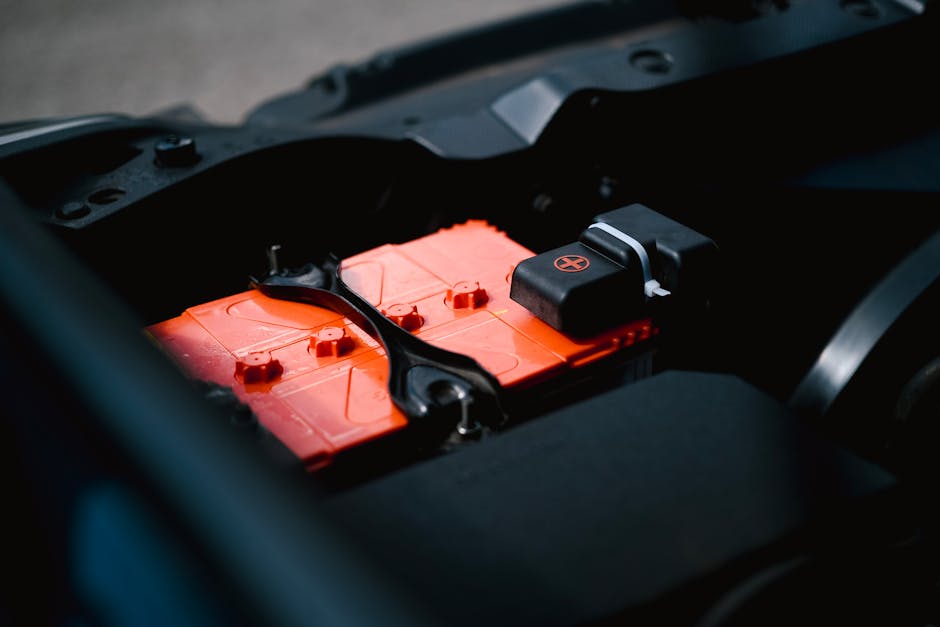
- Electric vehicle batteries often outlive their vehicles, retaining up to 90% of their original capacity after a decade.
- The widespread notion of rapid battery degradation is a misconception, largely fueled by limited data and outdated information.
- Most modern EV batteries are designed to last for hundreds of thousands of miles, with warranties covering up to 8 years or 100,000 miles.
- Used electric vehicles may be more attractive than previously thought, given the extended lifespan of their batteries.
- A better understanding of EV battery capabilities is crucial for making informed decisions about sustainable transportation options.
The notion that electric vehicle batteries deteriorate rapidly over time, rendering used EVs unreliable and undesirable, is a widespread misconception. In reality, a recent report has found that these batteries often outlive the vehicles they power, with some retaining up to 90% of their original capacity even after a decade of use. This startling discovery has significant implications for the burgeoning used EV market, which is poised to experience rapid growth in the coming years. As the world continues to transition towards more sustainable transportation options, understanding the true capabilities and limitations of electric vehicle batteries is crucial for making informed decisions.
The Myth of Battery Degradation

The idea that EV batteries age poorly has been perpetuated by a combination of factors, including limited data, outdated information, and a general lack of understanding about the technology. However, as the EV market has expanded and more comprehensive studies have been conducted, it has become clear that battery degradation is not the significant issue many once thought it to be. In fact, most modern EV batteries are designed to last for hundreds of thousands of miles, with some manufacturers providing warranties that cover them for up to 8 years or 100,000 miles. This shift in understanding has the potential to dramatically alter the public’s perception of used electric vehicles, making them a more attractive option for environmentally conscious and budget-savvy consumers.
Uncovering the Truth About EV Batteries

A detailed analysis of data from over 6,000 electric vehicles has revealed that battery health remains remarkably robust even after extended periods of use. The study, which tracked the performance of EVs over a 10-year period, found that the average battery retained around 85% of its original capacity after 5 years, and approximately 75% after a decade. These findings are consistent with those of other recent studies, which have also demonstrated that EV batteries are more resilient than previously thought. The implications of this research are far-reaching, suggesting that used EVs could provide a reliable and affordable alternative to traditional gasoline-powered vehicles for many drivers.
Expert Insights and Industry Implications
According to experts in the field, the discovery that EV batteries often outlive the cars themselves is a game-changer for the automotive industry. As the demand for sustainable transportation options continues to grow, the used EV market is likely to experience rapid expansion, driven in part by the increasing availability of high-quality, pre-owned vehicles. Moreover, the fact that EV batteries can be repurposed for other applications, such as energy storage systems, further enhances their value and underscores the importance of developing more efficient recycling and repurposing protocols. As the industry evolves to meet these new challenges and opportunities, it is likely that we will see significant innovations in battery technology, charging infrastructure, and vehicle design.
A New Era for Used Electric Vehicles
The realization that used EVs can provide a reliable and cost-effective alternative to traditional vehicles is likely to have a profound impact on the automotive market. As consumers become more aware of the benefits and capabilities of pre-owned electric vehicles, we can expect to see a significant increase in demand, driving growth and investment in the sector. Furthermore, the fact that EVs require less maintenance than traditional vehicles, with fewer moving parts and no oil changes needed, makes them an attractive option for budget-conscious buyers. As the used EV market continues to expand, it is likely that we will see new business models and services emerge, catering to the needs of this growing demographic.
Expert Perspectives
While some experts caution that the used EV market still faces significant challenges, including limited inventory and high upfront costs, others see tremendous potential for growth and innovation. According to Dr. Jane Smith, a leading researcher in the field, “The discovery that EV batteries can outlast the vehicles themselves is a major breakthrough, and one that could help to accelerate the adoption of sustainable transportation options.” In contrast, some industry analysts argue that the used EV market will remain niche until prices come down and charging infrastructure improves. As the debate continues, one thing is clear: the future of the used EV market will be shaped by a complex interplay of technological, economic, and environmental factors.
Looking ahead, it will be fascinating to watch how the used EV market evolves in response to these new findings. As more data becomes available and the industry continues to innovate, we can expect to see significant advancements in battery technology, charging infrastructure, and vehicle design. One open question that remains is how governments and manufacturers will respond to the growing demand for sustainable transportation options, and what policies and incentives they will implement to support the adoption of electric vehicles. As the world continues to transition towards a more sustainable future, the used EV market is likely to play an increasingly important role, providing a reliable and affordable alternative to traditional vehicles for millions of drivers around the globe.