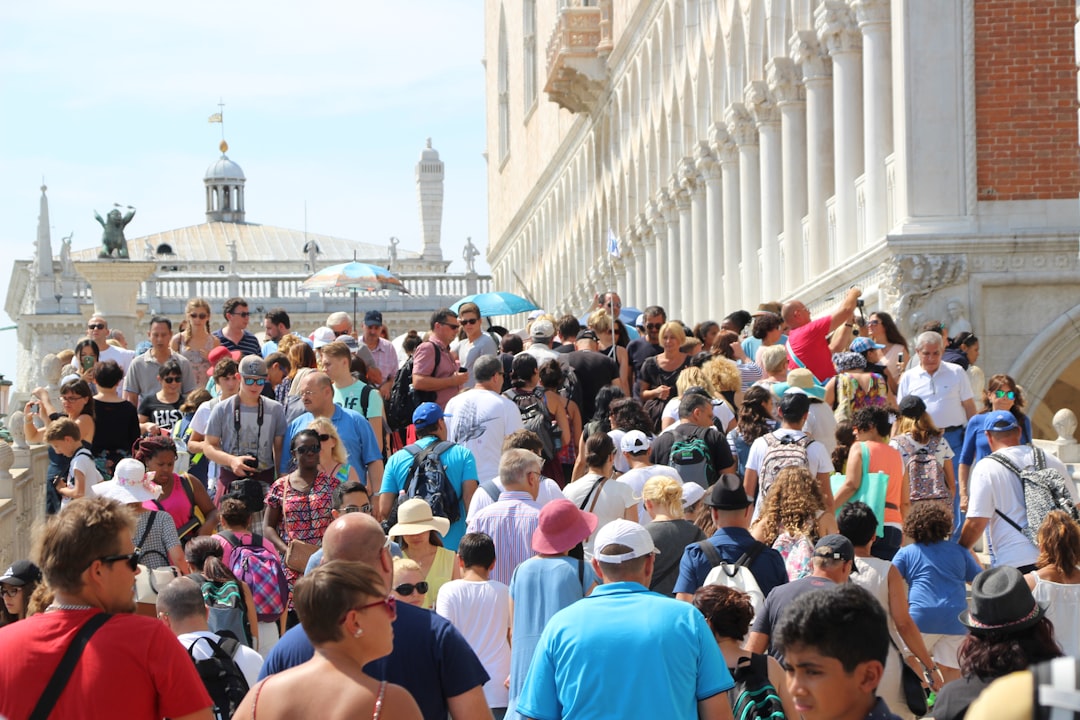
- The 2024 Venice Biennale will ban countries with crimes against humanity from receiving awards.
- The decision is seen as a politicization of art, sparking debate within the international art community.
- This move reflects a growing trend of cultural institutions addressing human rights issues.
- Israel and Russia are the most notable countries affected by this decision.
- The Biennale aims to promote human rights and accountability through its awards.
The 2024 Venice Biennale has sent shockwaves through the art world with its decision to bar countries facing crimes against humanity charges from receiving awards. This unprecedented move is set to impact several nations, with Israel and Russia being the most notable examples. The jury’s announcement has sparked intense debate, with some hailing the decision as a necessary step towards promoting human rights and others condemning it as a politicization of art. With the Biennale being one of the most prestigious cultural events globally, this stance is likely to have far-reaching implications for the art world and beyond.
The Context Behind the Decision

The Venice Biennale’s decision comes at a time when the international community is increasingly scrutinizing human rights violations. The move is seen as a reflection of the growing awareness and concern about the role of cultural institutions in promoting ethical standards. By excluding countries whose leaders are accused of crimes against humanity, the Biennale is taking a firm stance on the importance of human rights and the need for accountability. This decision is particularly significant given the Biennale’s history of showcasing art from around the world, often serving as a platform for countries to promote their cultural achievements.
Key Countries Affected

The decision will directly affect Israel and Russia, both of which have been involved in conflicts with significant human rights concerns. Israel’s actions in Palestine and Russia’s involvement in Ukraine have led to numerous allegations of human rights abuses and potential war crimes. The exclusion of these countries from award consideration underscores the Biennale’s commitment to upholding human rights standards. Other countries facing similar allegations may also be impacted, depending on the specific charges and the Biennale’s evaluation of the situations. This move by the Biennale jury highlights the complex interplay between politics, human rights, and cultural events.
Analysis of the Decision’s Impact
From an analytical standpoint, the Venice Biennale’s decision can be seen as a form of cultural diplomacy, where the art world is being used as a platform to influence political discourse and ethical behavior. The move could potentially isolate countries accused of human rights abuses, pressuring them to address these allegations. However, critics argue that such decisions could also politicize the art world, potentially leading to a form of cultural boycott that might not be effective in achieving its intended goals. The impact on the art community will be significant, as artists and curators from affected countries may face challenges in participating in the Biennale, potentially limiting the diversity of perspectives and artworks presented.
Implications for the Global Art Community
The implications of the Venice Biennale’s decision are far-reaching, affecting not just the countries directly involved but also the broader global art community. Artists, curators, and art enthusiasts from around the world will be watching closely to see how this decision plays out. The move could set a precedent for other cultural institutions to follow, potentially leading to a more politicized art world where human rights records play a significant role in determining participation and recognition. This, in turn, could lead to a more nuanced and complex dialogue about the role of art in promoting human rights and ethical standards globally.
Expert Perspectives
Experts in the field of human rights and art criticism have offered contrasting viewpoints on the Biennale’s decision. Some see it as a courageous step towards holding nations accountable for their actions, while others view it as an overstep into political territory that could undermine the neutrality and inclusivity of art. These differing perspectives highlight the complexity of the issue and the need for ongoing discussion about the intersection of art, politics, and human rights. As the art world navigates these challenging waters, it will be important to consider a wide range of viewpoints and to prioritize both artistic freedom and human dignity.
Looking forward, the key question will be how the Venice Biennale’s decision influences other cultural institutions and events. Will we see a trend towards greater politicization of the art world, or will this remain an isolated incident? The answer to this question will depend on various factors, including how effectively the Biennale implements its new policy and how the international community responds to this move. As the situation unfolds, observers will be watching for signs of whether this decision marks a significant shift in the way cultural events engage with political and human rights issues.