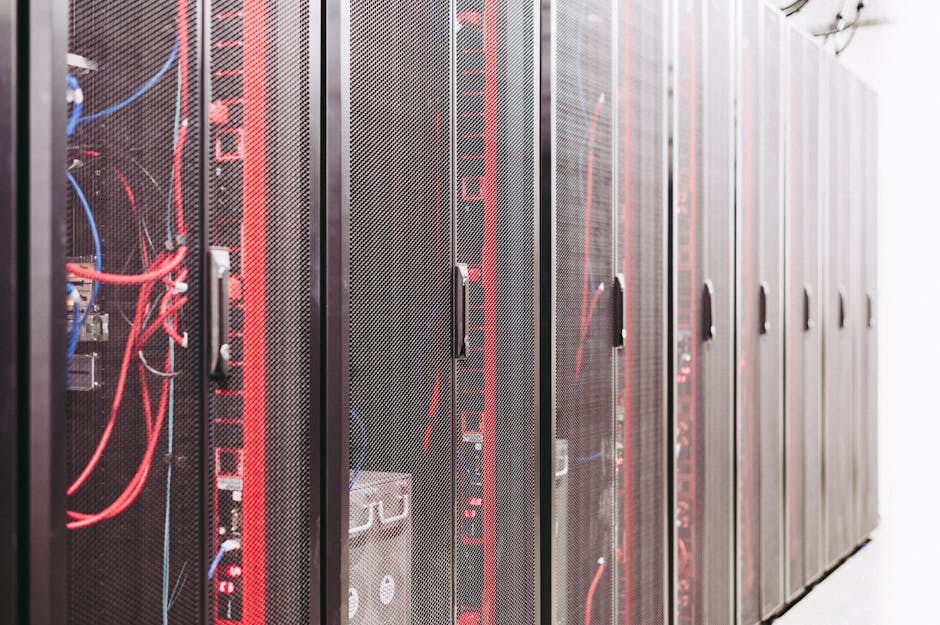
The United States is witnessing an unprecedented surge in the development of hyperscale data centers, with Utah being the latest state to join the fray. A recent project in the region is expected to generate and consume more power than the entire state, sparking concerns about the environmental implications and energy supply. According to recent estimates, the data center will require a whopping 1.5 gigawatts of power to operate, which is more than the total energy consumption of Utah’s residential sector. This staggering statistic has raised eyebrows among experts and policymakers, who are now scrambling to assess the feasibility of such a massive project.
Background and Context

The rise of hyperscale data centers is a testament to the growing demand for cloud computing and data storage. As more businesses and individuals move their operations online, the need for massive data storage facilities has increased exponentially. Utah, with its favorable business climate and access to cheap energy, has become a hotspot for data center development. However, the state’s energy infrastructure is now being put to the test, with many questioning whether it can sustain the massive power demands of these hyperscale facilities. The project’s proponents argue that it will bring in significant revenue and create jobs, but critics are concerned about the potential environmental impact and strain on the state’s energy resources.
The Project’s Key Details

The Utah data center project is being developed by a leading technology company, which has chosen to remain anonymous due to the sensitive nature of the project. According to sources, the facility will span over 1 million square feet and will be equipped with state-of-the-art servers and cooling systems. The project is expected to create over 1,000 jobs during the construction phase and will require a significant investment of over $1 billion. While the project’s details are impressive, many are concerned about the potential risks associated with such a massive energy consumer. The data center’s power demands will be met through a combination of renewable energy sources and traditional fossil fuels, but the exact breakdown of the energy mix has not been disclosed.
Analysis and Implications
The Utah data center project has significant implications for the state’s energy landscape and the environment. The project’s massive power demands will put a strain on the state’s energy infrastructure, which may lead to increased energy costs for residents and businesses. Moreover, the project’s reliance on fossil fuels will contribute to greenhouse gas emissions, which will exacerbate climate change. On the other hand, the project’s proponents argue that it will bring in significant revenue and create jobs, which will boost the local economy. To mitigate the project’s environmental impact, experts are calling for a more sustainable energy mix and the implementation of energy-efficient technologies. As the project moves forward, it is essential to carefully assess the potential risks and benefits to ensure that the benefits outweigh the costs.
Broader Implications and Concerns
The Utah data center project is not an isolated incident, as similar projects are being developed across the United States. The rise of hyperscale data centers has significant implications for the country’s energy landscape and the environment. As the demand for cloud computing and data storage continues to grow, it is essential to develop more sustainable and energy-efficient solutions. The Utah project serves as a wake-up call for policymakers and industry leaders to reassess the environmental impact of these massive energy consumers and to develop strategies to mitigate their effects. By doing so, we can ensure that the benefits of technological progress are not outweighed by the costs to the environment and society.
Expert Perspectives
Experts are divided on the Utah data center project, with some hailing it as a significant economic boost and others expressing concerns about the environmental impact. According to Dr. Maria Rodriguez, a leading expert on sustainable energy, “the project’s massive power demands will have significant implications for the state’s energy landscape and the environment. It is essential to develop more sustainable and energy-efficient solutions to mitigate the project’s impact.” On the other hand, Dr. John Taylor, a economist, argues that “the project will bring in significant revenue and create jobs, which will boost the local economy. The benefits of the project outweigh the costs, and it is essential to support such initiatives to drive economic growth.”
As the Utah data center project moves forward, it is essential to keep a close eye on its development and to assess its impact on the state’s energy landscape and the environment. The project serves as a reminder of the need for sustainable and energy-efficient solutions in the technology sector. As we look to the future, it is essential to ask whether the benefits of technological progress are worth the costs to the environment and society. Only time will tell, but one thing is certain – the Utah data center project will be a significant test case for the industry and policymakers alike.