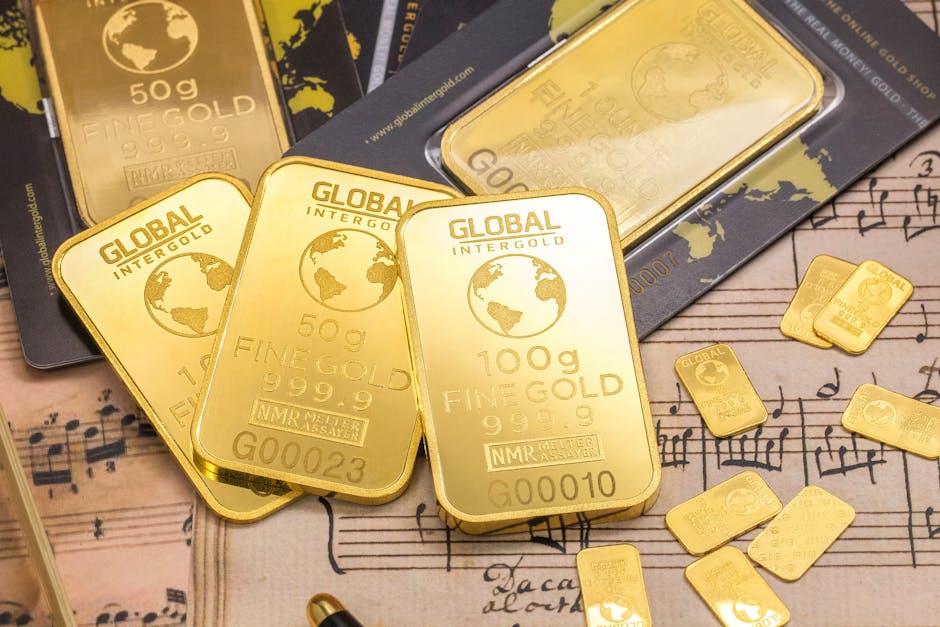
- The U.S. Mint has purchased gold from drug cartels, potentially legitimizing the illegal trade and enabling money laundering.
- The gold market lacks transparency, making it difficult to track the origin of gold and preventing illicit gold from being detected.
- Self-regulation has failed to prevent the infiltration of illicit gold in the market, highlighting a need for increased oversight.
- The demand for gold has increased, breaking down guardrails and allowing illicit gold to enter the market.
- The U.S. Mint’s actions have provided a conduit for drug cartels to launder their illicitly obtained gold.
The U.S. Mint’s purchase of gold from drug cartels has raised significant concerns about the integrity of the gold market. A striking fact is that the Mint has been buying gold from these illicit sources and selling it as ‘American’ gold, thereby legitimizing the illegal trade. This shocking revelation has sparked outrage and calls for greater oversight in the industry. With gold prices soaring, the demand for the precious metal has increased, and the industry’s guardrails have seemingly broken down, allowing illicit gold to enter the market. The U.S. Mint’s actions have unwittingly provided a conduit for drug cartels to launder their illicitly obtained gold, which is a disturbing trend that needs to be addressed.
The Gold Market’s Lack of Transparency

The gold market’s lack of transparency has contributed to the U.S. Mint’s unwitting purchase of gold from drug cartels. The complex web of gold refiners, traders, and buyers has created an environment in which illicit gold can be easily laundered. The industry’s reliance on self-regulation has proven inadequate, and the lack of stringent checks has allowed drug cartels to infiltrate the market. The current system’s flaws have been exposed, and it is imperative that measures be taken to increase transparency and accountability in the gold trade. As the demand for gold continues to rise, it is crucial that the industry takes steps to prevent the influx of illicit gold and ensure that the metal is sourced responsibly.
Key Players and Their Roles

The key players involved in the U.S. Mint’s purchase of gold from drug cartels include gold refiners, traders, and the Mint itself. The refiners and traders have been accused of turning a blind eye to the origin of the gold, prioritizing profits over responsible sourcing. The U.S. Mint, on the other hand, has been criticized for its lack of due diligence in verifying the source of the gold it purchases. The involvement of drug cartels has also been linked to money laundering and other illicit activities, highlighting the need for greater scrutiny of the gold trade. As the investigation into the U.S. Mint’s gold purchases continues, it is likely that more details will emerge about the extent of the drug cartels’ involvement and the roles played by various individuals and organizations.
Analysis of the Consequences
The consequences of the U.S. Mint’s purchase of gold from drug cartels are far-reaching and have significant implications for the gold market and beyond. The influx of illicit gold has the potential to destabilize the market, undermining trust in the industry and potentially leading to a loss of confidence in the value of gold. Furthermore, the involvement of drug cartels in the gold trade has been linked to money laundering, terrorism, and other illicit activities, posing a threat to national security and global stability. The lack of transparency and accountability in the gold market has also raised concerns about the environmental and social impact of gold mining, highlighting the need for more responsible and sustainable practices. As the situation continues to unfold, it is essential that policymakers and industry leaders take a closer look at the gold market and implement measures to prevent the trade of illicit gold.
Implications for the Gold Market
The implications of the U.S. Mint’s purchase of gold from drug cartels are significant, affecting not only the gold market but also the broader economy. The legitimacy of the gold market has been called into question, and the trust of investors and consumers has been eroded. The potential consequences of the illicit gold trade are far-reaching, with the possibility of market volatility, price manipulation, and even the financing of terrorist activities. The U.S. Mint’s actions have also raised concerns about the country’s commitment to combating money laundering and other illicit activities, highlighting the need for greater cooperation and coordination between law enforcement agencies and regulatory bodies. As the gold market continues to evolve, it is crucial that stakeholders prioritize transparency, accountability, and responsible sourcing to restore trust and ensure the long-term sustainability of the industry.
Expert Perspectives
Experts in the field have expressed contrasting viewpoints on the U.S. Mint’s purchase of gold from drug cartels, with some calling for greater oversight and regulation, while others argue that the industry is capable of self-regulation. Some experts have emphasized the need for more stringent checks and balances to prevent the influx of illicit gold, while others have suggested that the focus should be on promoting responsible sourcing and sustainable practices. The debate highlights the complexity of the issue and the need for a nuanced approach that balances the competing interests of various stakeholders. As the discussion continues, it is likely that new perspectives and solutions will emerge, shaping the future of the gold market and the industry’s response to the challenges posed by the illicit gold trade.
Looking ahead, the key question is what steps will be taken to address the issue of illicit gold in the market and prevent similar incidents in the future. Will the U.S. Mint and other industry stakeholders prioritize transparency and accountability, or will the lack of oversight continue to allow drug cartels to infiltrate the market? The answer will depend on the actions of policymakers, regulators, and industry leaders, who must work together to create a more sustainable and responsible gold market. As the situation continues to unfold, one thing is certain – the gold market will never be the same, and the consequences of the U.S. Mint’s purchase of gold from drug cartels will be felt for years to come.