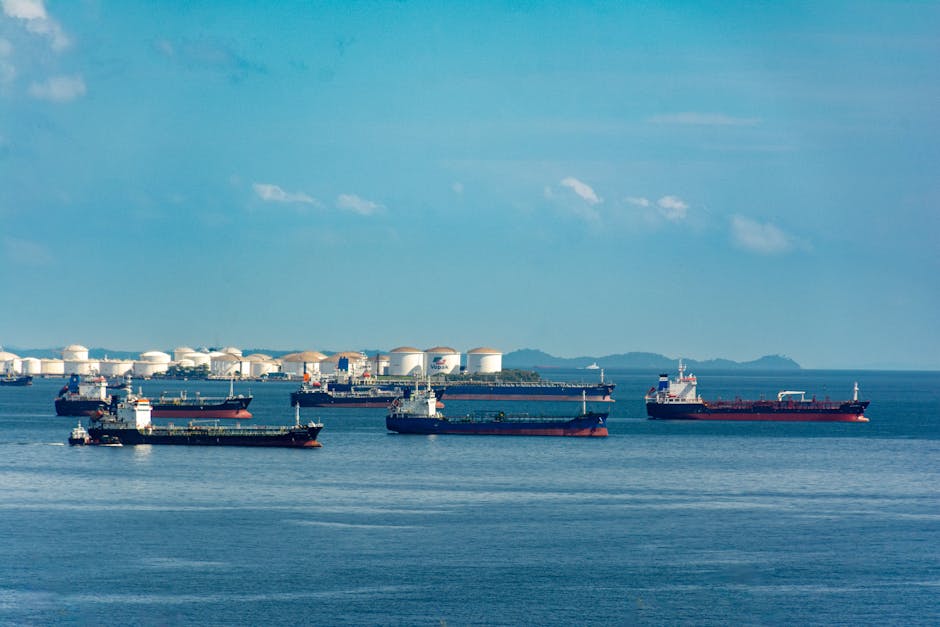
The global oil market is experiencing a significant surge in prices, with Brent crude rising by over 2% to $65 per barrel, as the highly anticipated US-Iran peace talks have stalled. This development has sparked concerns among investors and traders, who had been hoping for a resolution to the ongoing tensions between the two nations. The cancelled plans to send a US team to Pakistan for negotiations, as announced by President Trump, have added to the uncertainty surrounding the diplomatic efforts. As a result, oil prices have increased, reflecting the market’s anxiety about the potential disruption to global oil supplies.
Geopolitical Tensions Escalate

The stalled US-Iran peace talks have significant implications for the global economy, particularly in the context of the oil market. The ongoing tensions between the US and Iran have been a major contributor to the volatility in oil prices over the past year. With the US imposing stringent sanctions on Iran, the country’s oil exports have been severely impacted, leading to a reduction in global oil supplies. The lack of progress in the peace talks has raised concerns about the potential for further escalation, which could lead to a significant disruption to global oil markets. As a result, investors and traders are closely monitoring the situation, and the surge in oil prices reflects their growing anxiety about the potential consequences of the stalled talks.
Key Players and Interests

The US-Iran peace talks involve a complex array of key players and interests. The US has been seeking to negotiate a new nuclear deal with Iran, which would address concerns about the country’s nuclear program. However, the talks have been hindered by significant differences between the two nations, including disagreements over the scope and terms of the agreement. Iran, on the other hand, has been seeking relief from the stringent US sanctions, which have had a devastating impact on its economy. The European Union, China, and Russia have also been involved in the diplomatic efforts, seeking to broker a peaceful resolution to the conflict. The stalled talks have significant implications for these key players, as well as for the global oil market.
Market Analysis and Trends
The surge in oil prices is attributed to a combination of factors, including the stalled US-Iran peace talks, the ongoing tensions in the Middle East, and the concerns about global oil supplies. The market is also responding to the latest data on US crude inventories, which showed a significant decline in stockpiles. This decline has raised concerns about the potential for a shortage in global oil supplies, particularly if the US-Iran conflict escalates further. According to industry experts, the current trend in oil prices is likely to continue, driven by the ongoing geopolitical tensions and the uncertainty surrounding the diplomatic efforts. The market is also expected to be influenced by the upcoming OPEC meeting, where the organization is expected to discuss production levels and the potential for further cuts to stabilize the market.
Economic Implications
The stalled US-Iran peace talks have significant implications for the global economy, particularly in terms of the potential impact on oil prices and global trade. A prolonged conflict between the US and Iran could lead to a significant disruption to global oil supplies, resulting in higher oil prices and increased costs for consumers. This, in turn, could have a negative impact on economic growth, particularly in countries that are heavily reliant on oil imports. The surge in oil prices is also expected to have a negative impact on the stock market, as investors become increasingly risk-averse in response to the growing uncertainty and volatility in the market.
Expert Perspectives
Industry experts have differing opinions on the potential consequences of the stalled US-Iran peace talks. Some experts believe that the surge in oil prices is a temporary phenomenon, driven by market speculation and anxiety about the potential disruption to global oil supplies. Others, however, believe that the conflict has the potential to escalate further, leading to a prolonged period of higher oil prices and increased volatility in the market. According to Dr. Maria Rodriguez, a leading expert on global energy markets, “the stalled US-Iran peace talks have significant implications for the global oil market, and the surge in oil prices reflects the market’s growing anxiety about the potential consequences of the conflict.”
Looking ahead, the key question is what will happen next in the US-Iran peace talks, and how the market will respond to any further developments. Will the US and Iran be able to reach a peaceful resolution to the conflict, or will the tensions escalate further, leading to a significant disruption to global oil supplies? The answer to this question will have significant implications for the global economy, and investors and traders will be closely monitoring the situation in the coming weeks and months. As the market continues to evolve, one thing is certain – the surge in oil prices is a clear indication of the growing uncertainty and volatility in the global oil market, and the need for a peaceful resolution to the US-Iran conflict.