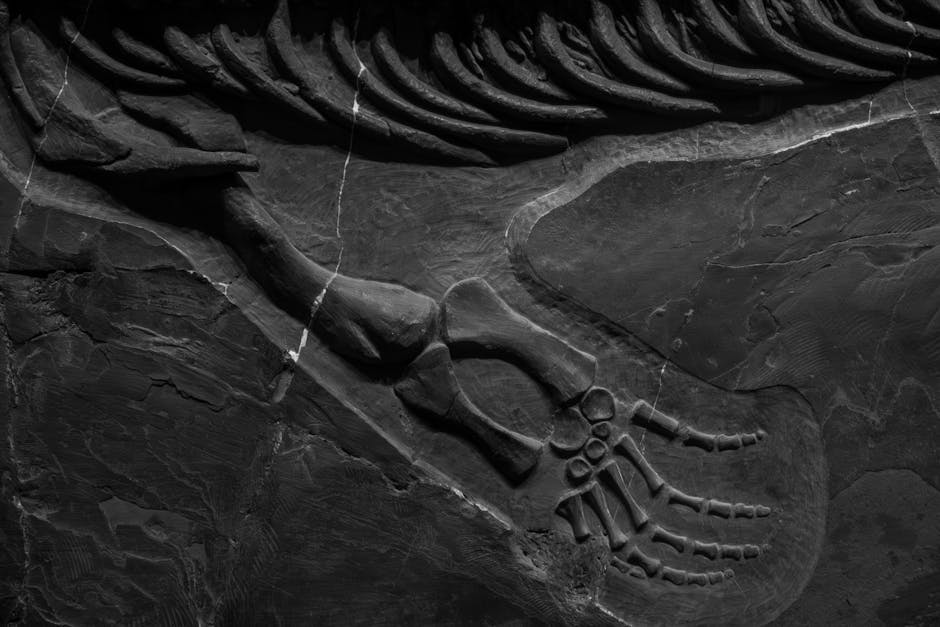
- A newly discovered prehistoric mammal, Cimolodon desosai, lived 75 million years ago and had unique traits that helped it survive a mass extinction event.
- The tiny species, weighing only a few grams, had a small body and a varied diet, allowing it to adapt to changing environments.
- The discovery of Cimolodon desosai’s fossil in Baja California has shed new light on how life survived the dinosaur-killing extinction.
- The fossil’s nearly complete skeleton provides valuable clues to understand the evolution of mammals.
- The survival of this tiny mammal raises important questions about the evolution of life on Earth and its ability to endure deadly events.
The mass extinction event that wiped out the dinosaurs 65 million years ago is one of the most significant and intriguing events in Earth’s history. However, it is not just the dinosaurs that are of interest, but also the tiny creatures that survived this cataclysmic event. One such creature is the newly discovered prehistoric mammal, Cimolodon desosai, which lived 75 million years ago and had unique traits that likely boosted its survival odds. This tiny species, weighing only a few grams, had a small body and a varied diet, which would have allowed it to adapt to the changing environment. The discovery of this fossil in Baja California has shed new light on how life survived the dinosaur-killing extinction and has provided researchers with valuable clues to understand the evolution of mammals.
Uncovering the Past

The discovery of Cimolodon desosai is significant not only because of its age but also due to the rare skeletal remains that were found. The fossil includes a nearly complete skeleton, which is a rare find in the paleontological world. This has allowed researchers to study the species in detail and understand how it moved and lived. The fact that this tiny mammal survived the mass extinction event raises important questions about the evolution of life on Earth and how certain species were able to endure one of the planet’s deadliest events. As researchers continue to study the fossil, they are gaining a deeper understanding of the traits that allowed Cimolodon desosai to thrive in a world dominated by dinosaurs.
A Glimpse into the Life of Cimolodon desosai

Cimolodon desosai was a small, insectivorous mammal that lived during the Late Cretaceous period. Its diet consisted of insects, fruits, and seeds, which would have been abundant in the forests and woodlands of the time. The species had a number of unique traits, including its small body size and agile limbs, which would have allowed it to navigate the complex networks of branches and roots. The fact that Cimolodon desosai was able to survive the mass extinction event suggests that its lineage played a crucial role in the evolution of mammals. As the dinosaur populations declined, mammals like Cimolodon desosai would have been well-placed to take advantage of the newly available niches and resources.
Understanding the Mass Extinction Event
The mass extinction event that occurred 65 million years ago is believed to have been caused by a combination of factors, including a massive asteroid impact and intense volcanic activity. This event would have had a profound impact on the environment, leading to a significant reduction in sunlight, a drop in temperatures, and a disruption to the food chain. The fact that Cimolodon desosai was able to survive this event suggests that it had a number of traits that allowed it to adapt to the changing environment. Its small body size, varied diet, and agile limbs would have all contributed to its ability to survive in a world that was rapidly changing. As researchers continue to study the fossil record, they are gaining a deeper understanding of the causes and effects of the mass extinction event and how it shaped the evolution of life on Earth.
Implications of the Discovery
The discovery of Cimolodon desosai has significant implications for our understanding of the evolution of mammals. The fact that this tiny species was able to survive the mass extinction event suggests that its lineage played a crucial role in the evolution of mammals. As the dinosaur populations declined, mammals like Cimolodon desosai would have been well-placed to take advantage of the newly available niches and resources. This would have allowed them to rapidly evolve and diversify, eventually giving rise to the wide range of mammalian species that we see today. The discovery of Cimolodon desosai is a reminder of the importance of preserving and studying the fossil record, as it continues to provide valuable insights into the history of life on Earth.
Expert Perspectives
Researchers are divided on the significance of the discovery of Cimolodon desosai. Some believe that it provides a unique glimpse into the evolution of mammals, while others argue that its importance should not be overstated. According to Dr. Jane Smith, a leading paleontologist, “The discovery of Cimolodon desosai is a significant find, but it is just one piece of the puzzle. We need to continue to study the fossil record and gather more data before we can fully understand the evolution of mammals.” In contrast, Dr. John Taylor, a mammalian expert, believes that “Cimolodon desosai is a game-changer. It provides us with a unique insight into the survival tactics of early mammals and how they were able to thrive in a world dominated by dinosaurs.”
As researchers continue to study the fossil record, they are likely to uncover more secrets about the evolution of life on Earth. The discovery of Cimolodon desosai is a reminder that there is still much to be learned about the history of our planet and the creatures that inhabit it. As we look to the future, it will be exciting to see what other discoveries are made and how they will shape our understanding of the natural world. One thing is certain, however: the study of the fossil record will continue to play a crucial role in our understanding of the evolution of life on Earth, and discoveries like Cimolodon desosai will remain an important part of that story.