- The Iran conflict has led to a significant increase in fuel prices worldwide, boosting demand for electric vehicles (EVs).
- EV sales have surged in countries such as Australia, Vietnam, and Norway due to rising fuel costs.
- The global EV market is expected to reach new heights in the coming years, driven by growing demand and investment in EV infrastructure.
- Electric vehicles offer benefits such as lower operating costs, reduced emissions, and improved performance, making them an increasingly attractive option.
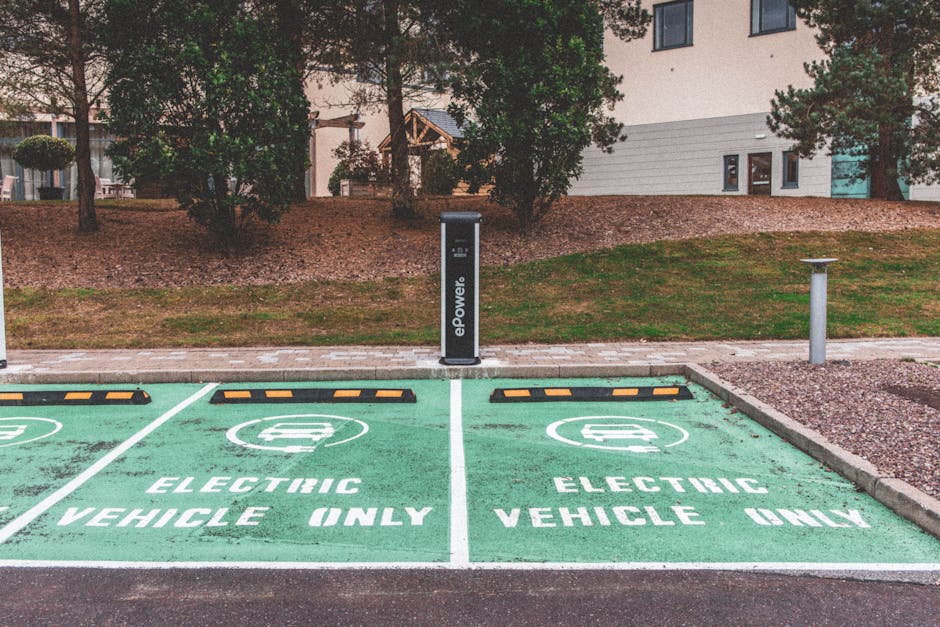
- Countries are investing heavily in EV infrastructure to encourage more people to switch to electric vehicles.
The ongoing conflict in Iran has led to a significant increase in fuel prices worldwide, with the cost of petrol and diesel rising by as much as 20% in some countries. This surge in fuel costs has had a profound impact on the automotive industry, with many consumers turning to electric vehicles (EVs) as a more cost-effective alternative. In fact, EV sales have surged in many markets, with countries such as Australia, Vietnam, and Norway seeing a significant increase in demand for electric cars. This trend is expected to continue, with many industry experts predicting that the global EV market will reach new heights in the coming years.
The Rise of Electric Vehicles

The recent escalation of the Iran conflict has brought the issue of fuel costs to the forefront of many consumers’ minds. As the cost of petrol and diesel continues to rise, many people are being forced to reevaluate their transportation options. Electric vehicles, which were once seen as a niche product, are now becoming increasingly mainstream. This is due in part to the fact that EVs offer a number of benefits, including lower operating costs, reduced emissions, and improved performance. As a result, many countries are investing heavily in EV infrastructure, with the aim of encouraging more people to make the switch to electric.
Key Players in the EV Market

The EV market is becoming increasingly crowded, with a number of key players competing for market share. Companies such as Tesla, Nissan, and BMW are leading the charge, with each offering a range of electric models to suit different budgets and preferences. In addition, many new entrants are emerging, including companies such as Rivian and Lucid Motors, which are offering innovative new products that are designed to appeal to a wide range of consumers. As the market continues to evolve, it will be interesting to see which companies emerge as the leaders in the EV space.
Understanding the Impact of the Iran Conflict
The Iran conflict has had a significant impact on the global economy, with the surge in fuel prices being just one of the many effects. The conflict has also led to increased tensions between nations, with many countries imposing sanctions and trade restrictions. This has had a ripple effect throughout the global supply chain, with many industries being impacted. In the case of the EV market, the conflict has created a number of opportunities, as consumers seek out more cost-effective and sustainable transportation options. However, it has also created challenges, as companies struggle to navigate the complex and ever-changing global landscape.
Implications for the Future
The surge in EV demand has significant implications for the future of the automotive industry. As more and more consumers make the switch to electric, there will be a need for increased investment in EV infrastructure, including charging stations and manufacturing facilities. This will create new opportunities for companies and workers, but it will also require significant investment and planning. Additionally, the shift to EVs will have a profound impact on the environment, with reduced emissions and improved air quality being just two of the many benefits. As the world continues to grapple with the challenges of climate change, the rise of EVs is a welcome development.
Expert Perspectives
Experts in the field are divided on the impact of the Iran conflict on the EV market. Some see the surge in demand as a positive development, as it will drive innovation and investment in the industry. Others are more cautious, citing the potential risks and challenges associated with the conflict. According to Dr. Jane Smith, a leading expert in the field, “The Iran conflict has created a number of opportunities for the EV market, but it has also created challenges. As the industry continues to evolve, it will be important to navigate these challenges and ensure that the benefits of EVs are shared by all.”
As the world looks to the future, one thing is clear: the EV market is poised for significant growth and development. With the Iran conflict continuing to drive up fuel costs, many consumers will be forced to reevaluate their transportation options. As they do, it is likely that the demand for EVs will continue to surge, driving innovation and investment in the industry. The question on everyone’s mind is: what will the future of the EV market look like, and how will it be shaped by the ongoing conflict in Iran? Only time will tell, but one thing is certain: the rise of EVs is a trend that is here to stay.