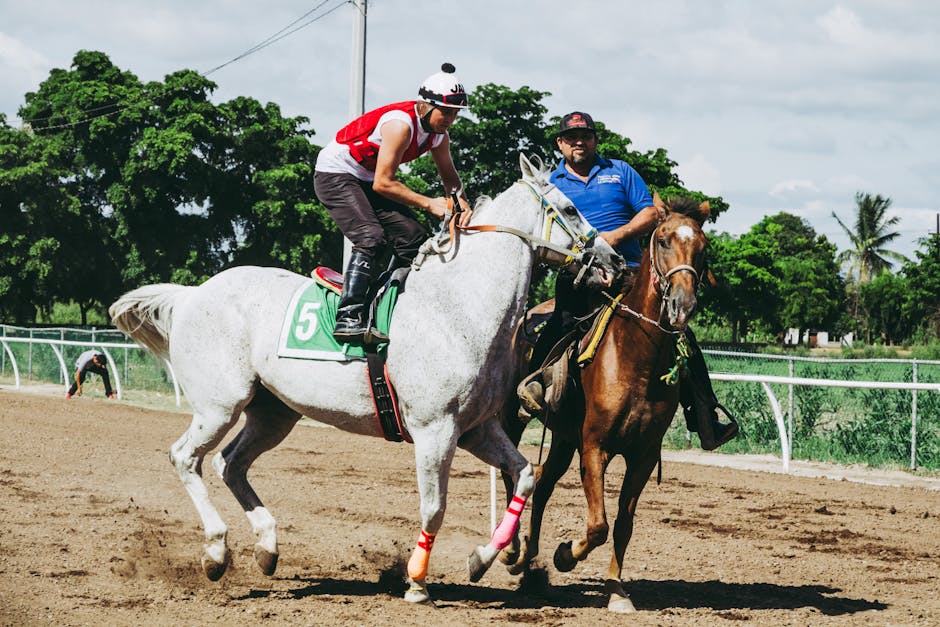
- The 2026 Kentucky Derby is shaping up to be one of the most unpredictable in recent memory due to emerging dark horses from overlooked breeding lines.
- Traditional powerhouses like Godolphin and WinStar Farm face stiff competition from under-the-radar colts with explosive gate speed and stamina gains.
- Recent data shows 7 of the last 15 Derby winners were not ranked in the top five of the initial futures odds, indicating a trend of underdog winners.
- Trainers are increasingly opting for less scrutinized prep race paths through the Arkansas Derby and Santa Anita’s Robert B. Lewis Stakes.
- This strategic recalibration allows horses to avoid early burnout and media spotlight, preserving energy for the grueling 1 1/4-mile test.
The 2026 Kentucky Derby is shaping up to be one of the most unpredictable in recent memory, with odds-defying contenders emerging from overlooked breeding lines and unheralded training stables. While traditional powerhouses like Godolphin and WinStar Farm still dominate the early betting boards, astute handicappers are tracking a wave of under-the-radar colts showing explosive gate speed and stamina gains in prep races. At Churchill Downs, where history crowns legends, recent data reveals that 7 of the last 15 Derby winners were not ranked in the top five of the initial futures odds. This year, experts point to a trio of late-maturing horses who bypassed the traditional Florida prep trail, instead building form in California and Arkansas, positioning them for peak performance on the first Saturday in May.
A Shift in Derby Preparation Strategies

The timing and geography of a Derby contender’s prep races have long dictated their perceived chances, but 2026 marks a departure from convention. Where once the Florida Derby and the Fountain of Youth were seen as essential proving grounds, trainers are increasingly opting for less scrutinized paths through the Arkansas Derby and Santa Anita’s Robert B. Lewis Stakes. This strategic recalibration allows horses to avoid early burnout and media spotlight, preserving energy for the grueling 1 1/4-mile test. With the Kentucky Derby’s qualification system still based on the Road to the Kentucky Derby points series, several dark horses have quietly amassed enough points through secondary races, catching oddsmakers off guard. This shift underscores a broader trend: data-driven conditioning and recovery science are now as critical as raw speed.
Rising Contenders and Their Profiles

Three-year-olds like Bluegrass Mirage, trained by rising star Alicia Montero, and Iron Prairie, a powerful closer bred in Saskatchewan, are gaining momentum in expert rankings despite longshot odds. Bluegrass Mirage, a son of Into Mischief out of a Tapit mare, stunned the racing world with a 7-length victory at the Sunland Derby, clocking the fastest final quarter-mile in the race’s past decade. Meanwhile, Iron Prairie, who only began racing in January 2026, has shown remarkable adaptability across dirt surfaces, a trait analysts link to his northern training regimen at Assiniboia Downs. Another contender, Thunder Hollow, backed by a stealth ownership group with ties to European stables, recently tested at Churchill Downs’ oval with a sub-1:12 furlong split, drawing quiet attention from track insiders. Their post positions—still unassigned as of March—could prove pivotal in a projected 20-horse field.
Expert Analysis: Why the Favorites May Falter
Veteran handicapper and BBC Sport contributor Marcus Delgado warns that favorites like Gold Circuit and Velocitor may be overexposed after aggressive early campaigns. “Horses peaking too soon often fade under Churchill Downs’ unique pressure,” Delgado noted in a recent column. “The 2026 field has depth, but also volatility—eight of the top 12 point earners have never run beyond 1 1/8 miles.” Data from the The Guardian’s racing analytics team shows that since 2010, only 30% of horses entering the Derby off a Florida Derby win have finished in the top three. With weather forecasts predicting a fast track and temperatures near 72°F, conditions favor late-runners with stamina reserves—precisely the profile of the emerging underdogs.
What’s at Stake for Owners, Bettors, and the Sport
The 2026 Kentucky Derby isn’t just a race—it’s a cultural and economic event with over $200 million in wagering expected. For owners, a win can elevate a stallion’s breeding value into the eight-figure range overnight. For bettors, the surge in live betting platforms means odds can shift dramatically in the final 72 hours. But beyond commerce, the rise of non-traditional contenders reflects a democratization of the sport, where innovation in training, nutrition, and analytics levels the playing field. Smaller stables leveraging AI-assisted recovery monitoring and biomechanical gait analysis are closing the gap with established dynasties, signaling a broader evolution in thoroughbred development.
Expert Perspectives
Opinions are split among analysts. Purists like Diane Harlow of The Blood-Horse argue that bypassing elite preps risks underestimating top-tier competition: “You can’t simulate the pressure of a 100,000-seat roar in a quiet training lab.” Conversely, data scientist and racing consultant Rajiv Mehta contends that “modern conditioning makes traditional metrics obsolete. A horse’s physiological readiness matters more than pedigree gossip.” This philosophical divide mirrors broader tensions in sports between legacy wisdom and algorithmic prediction.
As post positions are drawn on April 29, 2026, and final odds solidify, all eyes will be on whether the Derby’s next chapter is written by legacy powers or a new generation of equine dark horses. With the starting gate set for 6:57 p.m. ET on May 2, one thing is certain: in the Run for the Roses, history favors the unexpected.
Source: CBS Sports