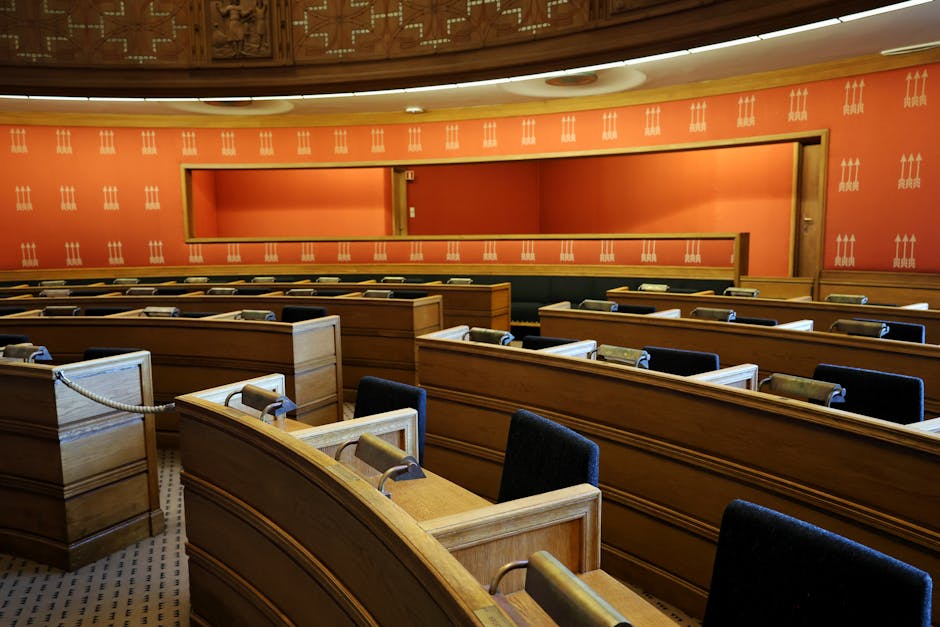
- Swiss citizens gather in public squares to vote by raising hands, a centuries-old tradition of direct democracy.
- This method allows for significant public involvement and transparency in the political process, highlighting Switzerland’s commitment to its citizens’ rights.
- Direct democracy in Switzerland is characterized by frequent referendums and initiatives, giving citizens a say in constitutional and policy matters.
- The open-air election in Appenzell Innerrhoden draws international attention, showcasing the unique blend of tradition and modern governance.
- This traditional voting method is seen as a cornerstone of Switzerland’s political stability and is deeply embedded in the nation’s history.
In a scene that seems almost surreal in today’s digital age, thousands of Swiss citizens gathered in the public square of Appenzell Innerrhoden to participate in a centuries-old tradition – voting by raising their hands. This unique method of democratic participation is a rare glimpse into Switzerland’s rich history of direct democracy, where citizens have a significant say in the decisions that affect their lives. The event, which drew significant attention from around the world, highlights the country’s commitment to transparency and public involvement in the political process. With an turnout that is a testament to the nation’s civic engagement, the open-air election is a fascinating spectacle that blends tradition with the exercise of democratic rights.
The Enduring Legacy of Direct Democracy

Switzerland’s system of direct democracy is renowned for its inclusivity and the significant power it vests in its citizens. The country’s political landscape is dotted with referendums and initiatives that allow the populace to decide on key issues, from constitutional amendments to policy decisions. This approach to governance is deeply rooted in the nation’s history and is seen as a cornerstone of its political stability and prosperity. The open-air election in Appenzell Innerrhoden is a vivid manifestation of this tradition, where citizens gather to elect local leaders and decide on important matters affecting their community. The fact that this method has endured for centuries speaks volumes about the Swiss people’s attachment to their democratic heritage and their desire for active participation in the political process.
Voting in the Public Square

The voting process itself is a spectacle that combines simplicity with a deep sense of community. Citizens gather in the town square, and after a thorough discussion of the issues at hand, they vote by raising their hands. This public display of democratic participation is not only a means of decision-making but also a social event that reinforces community bonds. The transparency of the process is striking, with every vote cast in full view of the community, ensuring accountability and encouraging honest discourse. The local leaders elected through this process are thus deeply rooted in the community, understanding its needs and aspirations intimately. The decisions made on key issues also reflect the collective will of the people, ensuring that the governance of the community is truly representative.
Understanding the Broader Implications
The open-air election in Appenzell Innerrhoden offers valuable insights into the causes and effects of direct democracy. By examining the outcomes of such participatory processes, experts can gauge the level of civic engagement, the effectiveness of direct democracy in representing the will of the people, and the challenges associated with maintaining such a system in the modern era. Data from these elections can also provide clues about the socio-political trends within the community, helping analysts understand the underlying factors that influence voter behavior and decision-making. Furthermore, the expert angle on this phenomenon highlights the potential benefits of increased civic participation, including enhanced political legitimacy, better governance, and a more engaged citizenry. However, it also underscores the challenges of scaling such a system to larger, more complex societies, where the dynamics of decision-making are far more intricate.
Affecting Change and Community
The implications of the open-air election are multifaceted, affecting not only the local community but also contributing to the broader discourse on democratic participation. For the citizens of Appenzell Innerrhoden, the outcomes of the election will have a direct impact on their daily lives, influencing local policies, the allocation of resources, and the direction of community development. Beyond the local level, this tradition serves as a model for other communities and nations seeking to enhance civic engagement and deepen democratic roots. It challenges the conventional wisdom on electoral processes, suggesting that transparency, simplicity, and community involvement can be powerful tools in fostering a healthy democracy. As the world watches, the enduring appeal of Switzerland’s direct democracy offers a beacon of hope for those seeking to rejuvenate political participation and trust in governance.
Expert Perspectives
Experts in political science and democracy studies offer contrasting viewpoints on the significance and applicability of Switzerland’s direct democracy model. Some hail it as an exemplary system that ensures the voice of the people is heard loud and clear, promoting accountability and good governance. Others, however, point out the limitations and potential drawbacks of such a system, including the risk of populism and the challenge of balancing individual rights with the collective will. Despite these differing opinions, there is a consensus on the importance of civic engagement and the need for innovative approaches to democracy that can inspire and involve citizens more effectively.
Looking forward, the key question is how such traditional methods of democratic participation can evolve and adapt to the changing needs and technological advancements of the 21st century. As the world becomes increasingly interconnected, the challenge will be to preserve the essence of direct democracy while embracing innovations that can enhance its reach and effectiveness. The open-air election in Appenzell Innerrhoden stands as a reminder of the power of community and tradition in shaping democratic practices, inviting reflection on what the future of democracy might look like and how it can be made more inclusive, responsive, and vibrant.