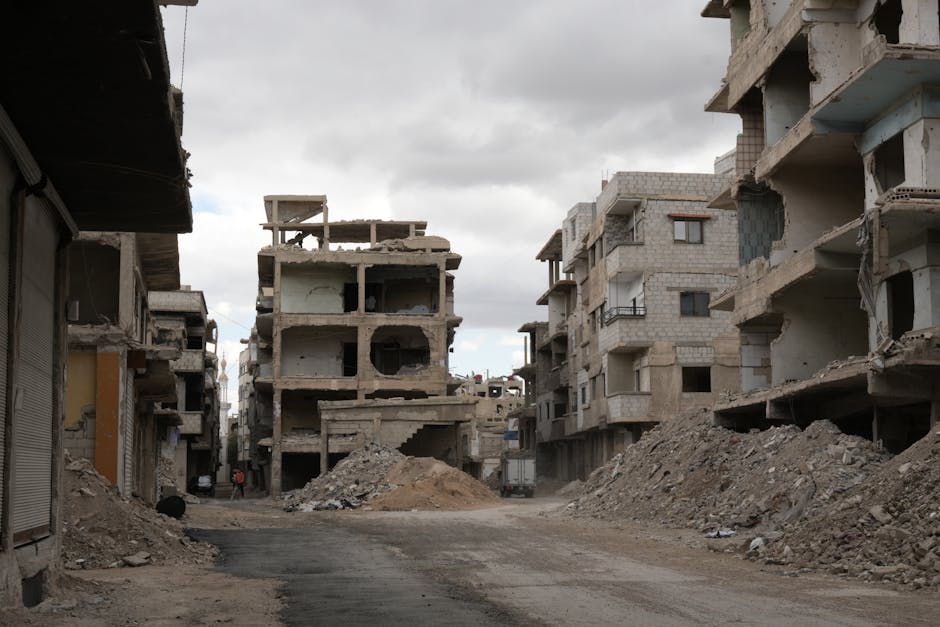
- Raqqa, a city on the Euphrates River, has a rich history dating back to the 3rd century BC, making its current state tragic.
- The city has been a major cultural and commercial center, attracting merchants and travelers from the ancient world, but now lies devastated.
- Raqqa has suffered greatly under various groups, including the Islamic State, which has left its inhabitants struggling to survive.
- The people of Raqqa remain hopeful for a better future, and the city is slowly rebuilding and recovering.
- Raqqa’s history, culture, and architecture have been shaped by various empires and dynasties, including the Abbasid Caliphate and the Ottoman Empire.
Raqqa, once a thriving metropolis on the banks of the Euphrates River, has borne witness to the tumultuous history of Syria. The city, which was founded in the 3rd century BC, has been a major cultural and commercial center, attracting merchants and travelers from all over the ancient world. However, in recent years, Raqqa has suffered greatly under the rule of various groups, including the Islamic State, which has left the city devastated and its inhabitants struggling to survive. Despite the challenges, the people of Raqqa remain hopeful for a better future, and the city is slowly beginning to rebuild and recover.
A City’s Turbulent History

The city of Raqqa has a long and complex history, with various empires and dynasties rising and falling over the centuries. From the Abbasid Caliphate to the Ottoman Empire, each ruler has left its mark on the city, shaping its culture, architecture, and people. However, in recent years, the city has experienced unprecedented levels of violence and destruction, with the Syrian civil war and the rise of the Islamic State having a profound impact on its inhabitants. The city’s rich cultural heritage and historical significance make its current state all the more tragic, and its people are eager to see an end to the conflict and a return to peace and stability.
The Islamic State’s Reign of Terror

In 2014, the Islamic State (IS) seized control of Raqqa, declaring it the capital of its self-proclaimed caliphate. The group’s brutal rule was marked by widespread human rights abuses, including massacres, forced displacement, and the imposition of strict Islamic law. The city’s inhabitants were subjected to harsh punishments, including public executions and floggings, and its cultural heritage was deliberately destroyed. The IS also used Raqqa as a base for its military operations, launching attacks on other parts of Syria and Iraq. The city was eventually liberated in 2017, but the legacy of the IS’s rule continues to be felt, with many of its inhabitants still struggling to come to terms with the trauma they experienced.
Rebuilding and Recovery
Despite the many challenges it faces, the city of Raqqa is slowly beginning to rebuild and recover. The Syrian government, with the support of international organizations and aid agencies, has launched a number of initiatives aimed at restoring basic services, including electricity, water, and healthcare. The city’s infrastructure, which was severely damaged during the conflict, is also being repaired, with roads, bridges, and buildings being rebuilt. However, the process of rebuilding and recovery is complex and fraught with difficulties, and it will likely take many years for the city to fully recover from the devastation it has experienced. The international community has a crucial role to play in supporting the people of Raqqa, providing them with the aid and assistance they need to rebuild their lives and their city.
A Long and Difficult Road Ahead
The people of Raqqa face a long and difficult road ahead, as they seek to rebuild their city and their lives. The legacy of the conflict will take many years to overcome, and the city will need significant support and investment if it is to fully recover. The Syrian government, as well as the international community, must prioritize the needs of the city’s inhabitants, providing them with the aid and assistance they need to rebuild their homes, their businesses, and their communities. The city’s cultural heritage must also be preserved and protected, with efforts made to restore its historic buildings and landmarks. Only through a concerted effort can the city of Raqqa be restored to its former glory, and its people be given the opportunity to build a brighter future for themselves.
Expert Perspectives
Experts on the region agree that the situation in Raqqa is complex and challenging, with many different factors at play. Some argue that the city’s recovery will depend on the ability of the Syrian government to provide basic services and security, while others believe that the international community has a crucial role to play in supporting the city’s inhabitants. According to Dr. Maria Kortam, a specialist on the Middle East, “the city of Raqqa is a microcosm of the wider conflict in Syria, with all the different factions and interests vying for control.” She adds that “the city’s recovery will depend on the ability of the different parties to work together and prioritize the needs of its inhabitants.”
As the city of Raqqa looks to the future, many questions remain unanswered. What will be the role of the international community in supporting the city’s recovery? How will the Syrian government balance the needs of its different regions and communities? And what will be the long-term impact of the conflict on the city and its inhabitants? These are just a few of the questions that will need to be answered in the months and years ahead, as the city of Raqqa seeks to rebuild and recover from the devastation of war.