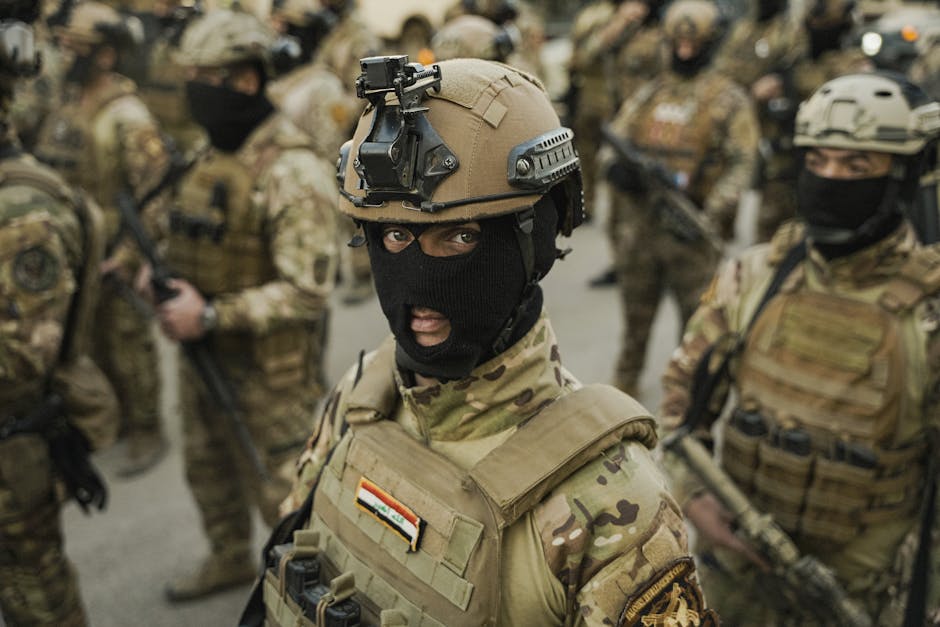
- Mali’s capital Bamako was hit by a series of coordinated attacks by militants and separatists, causing significant damage and disruption.
- The attacks targeted key locations, including the international airport in Bamako and four other cities in central and northern Mali.
- The al-Qaida-linked militant group JNIM claimed responsibility for the strikes, highlighting the group’s growing influence in the region.
- Mali has been grappling with instability and violence for nearly a decade, following a coup in 2012 and the creation of a power vacuum.
- The international community has been working to stabilize the country, but the latest attacks highlight the significant challenges that remain.
The West African nation of Mali has been plunged into chaos after militants and separatists launched a series of coordinated attacks across the country, including the capital Bamako, in one of the largest such assaults in recent years. The attacks, which targeted key locations including the international airport in Bamako and four other cities in central and northern Mali, have raised concerns about the escalating violence in the Sahel region. According to reports, the attacks resulted in significant damage and disruption, with the al-Qaida-linked militant group JNIM claiming responsibility for the strikes on its website, Az-Zallaqa.
Background of Instability

Mali has been grappling with instability and violence for nearly a decade, following a coup in 2012 that toppled the government and created a power vacuum. The country has since become a hotbed of militant activity, with various groups, including JNIM, taking advantage of the chaos to launch attacks and expand their influence. The situation has been further complicated by the presence of separatist groups, who are seeking greater autonomy or independence for certain regions. The international community has been working to stabilize the country, but the latest attacks highlight the significant challenges that remain.
Key Details of the Attacks

The attacks, which were launched on Saturday, targeted several key locations, including the international airport in Bamako, as well as cities in central and northern Mali. According to reports, the militants used a combination of explosives and gunfire to attack their targets, resulting in significant damage and disruption. JNIM, which is affiliated with al-Qaida, claimed responsibility for the attacks on its website, stating that they were carried out in response to the presence of French and other foreign troops in the country. The group has been responsible for numerous attacks in Mali and other countries in the Sahel region in recent years.
Analysis of the Situation
The latest attacks in Mali have significant implications for the country and the wider region. The fact that JNIM was able to launch such a large and coordinated series of attacks suggests that the group has become increasingly sophisticated and confident. The attacks also highlight the ongoing challenges faced by the Malian government and its international partners in stabilizing the country and combating militant activity. According to experts, the situation in Mali is likely to continue to deteriorate unless a more effective strategy is developed to address the root causes of the violence and instability. This includes addressing issues such as poverty, corruption, and lack of access to basic services, as well as promoting greater dialogue and reconciliation between different communities.
Implications of the Attacks
The implications of the latest attacks in Mali are far-reaching and significant. The attacks are likely to have a major impact on the country’s economy and infrastructure, as well as its political stability. The fact that the attacks were launched in several different locations, including the capital, suggests that the militants are seeking to undermine the government’s authority and create a sense of chaos and fear. The attacks are also likely to have significant humanitarian consequences, with many people displaced or affected by the violence. According to the United Nations, the situation in Mali is already one of the most severe humanitarian crises in the world, with millions of people in need of assistance.
Expert Perspectives
Experts have warned that the latest attacks in Mali are a sign of a broader trend of escalating violence in the Sahel region. According to one analyst, the attacks demonstrate the increasing sophistication and confidence of militant groups in the region, and highlight the need for a more effective and coordinated response from the international community. Others have emphasized the importance of addressing the root causes of the violence and instability, including poverty, corruption, and lack of access to basic services. As one expert noted, the situation in Mali is a complex and multifaceted one, requiring a comprehensive and sustained response from the government and its international partners.
Looking ahead, the situation in Mali is likely to remain volatile and unpredictable. The international community will need to remain vigilant and proactive in supporting the government and its people, while also working to address the broader regional dynamics that are driving the violence and instability. As one expert noted, the key to stabilizing Mali and the wider Sahel region will be to develop a more nuanced and sustainable approach, one that takes into account the complex historical, cultural, and economic factors that are at play. This will require a long-term commitment to dialogue, reconciliation, and development, as well as a willingness to adapt and evolve in response to changing circumstances.