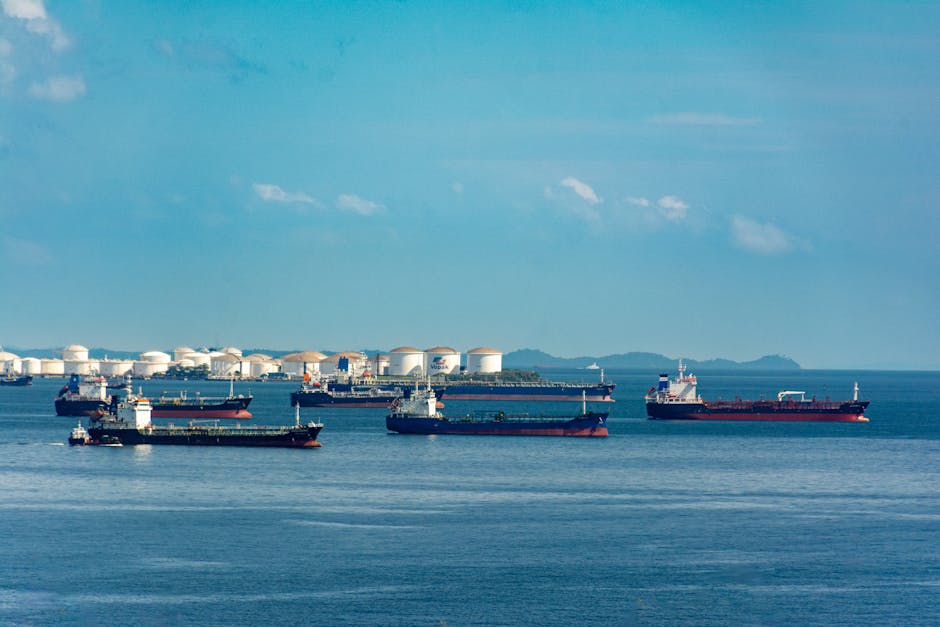
- The US has imposed new sanctions on Iran’s shadow fleet, accused of secretly transporting Iranian oil to foreign buyers.
- The shadow fleet has been responsible for transporting millions of barrels of Iranian oil to countries like China, in violation of US sanctions.
- US sanctions target companies and individuals involved in the shadow fleet, including ship owners, managers, and crew members.
- The shadow fleet has been key to Iran maintaining its oil exports despite US sanctions since 2018.
- The US is trying to disrupt the shadow fleet through sanctions, diplomacy, and military pressure.
The United States has unveiled a new set of sanctions targeting Iran’s shadow fleet, which has been accused of secretly transporting Iranian oil to foreign buyers. The move is part of a broader effort by the U.S. to curb Iranian oil exports and pressure the Iranian government to renegotiate the 2015 nuclear deal. According to U.S. officials, the shadow fleet has been responsible for transporting millions of barrels of Iranian oil to countries such as China, in violation of U.S. sanctions. The new sanctions will target several companies and individuals involved in the operation of the shadow fleet, including ship owners, managers, and crew members.
The Shadow Fleet: A Key Component of Iran’s Oil Exports

The shadow fleet has been a key component of Iran’s efforts to maintain its oil exports in the face of U.S. sanctions. The fleet, which consists of dozens of ships, has been used to transport Iranian oil to foreign buyers, often through complex webs of shell companies and intermediaries. The use of the shadow fleet has allowed Iran to disguise the origin of its oil exports and evade U.S. sanctions, which have been in place since 2018. However, the U.S. has been working to disrupt the operation of the shadow fleet, using a combination of sanctions, diplomacy, and military pressure to try to curb Iranian oil exports.
Targeting Chinese Refineries: A New Front in the Sanctions War

The new sanctions also target a top independent Chinese refinery, which has been accused of being a major buyer of Iranian petroleum. The refinery, which is located in the eastern province of Shandong, has been importing large quantities of Iranian oil, despite U.S. sanctions. The U.S. has accused the refinery of violating U.S. sanctions and has imposed penalties on the company, including a ban on doing business with U.S. companies. The move is part of a broader effort by the U.S. to pressure China to reduce its imports of Iranian oil and to comply with U.S. sanctions.
Analysis: The Impact of Sanctions on Iran’s Economy
The new sanctions are likely to have a significant impact on Iran’s economy, which is already struggling under the weight of U.S. sanctions. The sanctions have reduced Iran’s oil exports by more than 80% since 2018, causing a sharp decline in government revenue and a severe economic crisis. The new sanctions will further reduce Iran’s ability to export oil, making it even harder for the government to fund its budget and provide basic services to its citizens. According to some estimates, the sanctions could reduce Iran’s oil exports by an additional 200,000 barrels per day, which would be a significant blow to the country’s economy.
Implications: A Growing Crisis in the Middle East
The new sanctions are likely to have significant implications for the Middle East, where tensions between the U.S. and Iran are already running high. The sanctions could lead to a further escalation of tensions between the two countries, which could have serious consequences for the region. The sanctions could also lead to a shortage of oil on the global market, which could drive up prices and have a negative impact on the global economy. According to some analysts, the sanctions could lead to a regional crisis, which could draw in other countries and have far-reaching consequences for the Middle East and beyond.
Expert Perspectives
Experts are divided on the impact of the new sanctions, with some arguing that they will be effective in reducing Iranian oil exports and others arguing that they will have little impact. Some experts argue that the sanctions will simply drive the Iranian oil trade underground, making it harder to track and more difficult to enforce. Others argue that the sanctions will have a significant impact on the Iranian economy, which will ultimately force the government to negotiate a new nuclear deal. According to Ellie Geranmayeh, a senior policy fellow at the European Council on Foreign Relations, the sanctions are likely to have a significant impact on the Iranian economy, but may not be enough to force the government to negotiate a new deal.
Looking ahead, it is unclear what the next steps will be in the sanctions war between the U.S. and Iran. The U.S. has made it clear that it will continue to impose sanctions on Iran until the government agrees to renegotiate the nuclear deal. Iran, on the other hand, has vowed to continue to resist U.S. pressure and to maintain its oil exports, despite the sanctions. According to some analysts, the situation is likely to escalate further, with the U.S. imposing even tougher sanctions and Iran responding with further provocations. The question on everyone’s mind is: what will happen next, and how will the situation be resolved?