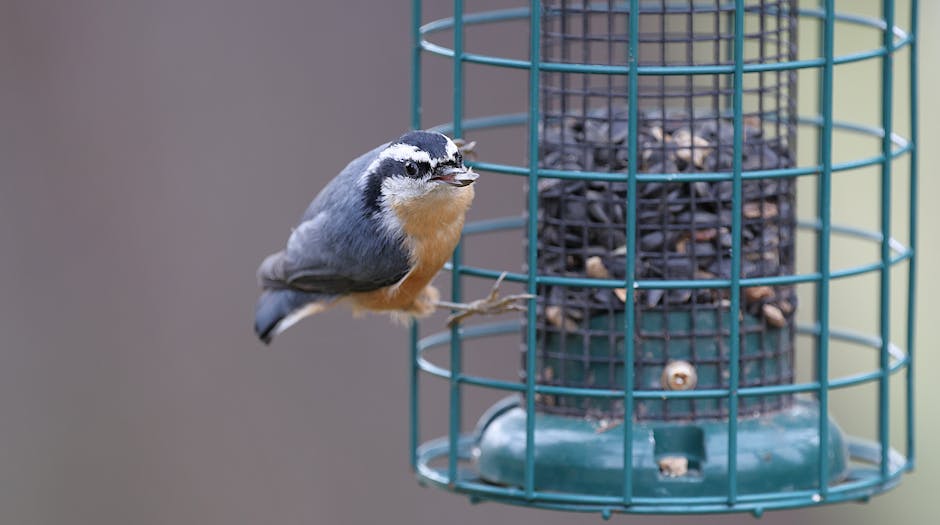
- Smart bird feeders have surged in popularity, with over 10 million sold globally in 2025, a tenfold increase from five years prior.
- These devices integrate high-definition cameras, motion sensors, and AI-powered identification software for real-time bird observation and tracking.
- Smart bird feeders collect behavioral data, track migration patterns, and alert users to rare species appearances.
- The backyard wildlife tech market is growing rapidly, with smart bird feeders leading the charge and valued at $2.3 billion.
- Smart bird feeders bridge the gap between people and nature, turning passive observation into an interactive experience.
In 2025, over 10 million smart bird feeders were sold globally—a tenfold increase from just five years prior—marking a cultural and technological shift in how people engage with nature. These devices, embedded with high-definition cameras, motion sensors, and AI-powered identification software, allow users to observe, record, and identify visiting birds through smartphone apps in real time. Beyond mere observation, they collect behavioral data, track migration patterns at the neighborhood level, and even alert users when rare species appear. As urbanization accelerates and biodiversity declines, these devices have emerged not only as consumer gadgets but as grassroots tools for ecological awareness. According to BBC News, backyard wildlife tech is becoming a $2.3 billion market, with smart feeders leading the charge.
The Rise of the Digital Backyard

The surge in smart bird feeder adoption reflects a growing desire to reconnect with nature amid increasingly digital lives. As cities expand and green spaces shrink, many people feel disconnected from wildlife, yet retain a deep curiosity about the natural world. Smart bird feeders bridge this gap by turning passive observation into an interactive experience. Manufacturers like BirdBot, FeederCam, and NestIQ have capitalized on advancements in edge computing, machine learning, and low-power wireless networks to deliver affordable, easy-to-install systems. Their apps offer features such as species recognition, feather pattern analysis, and seasonal visitation trends—transforming casual birdwatching into a form of citizen science. This trend gained momentum during the pandemic, when outdoor activities surged, but has persisted as users realize the educational and emotional value of daily wildlife engagement.
How Smart Feeders Work and Who’s Behind Them

Modern smart bird feeders integrate miniature cameras, infrared night vision, microphones, and solar-powered batteries into weather-resistant housings. When motion is detected, the device captures images or short video clips, which are then processed either on-device or in the cloud using AI models trained on millions of bird images from datasets like those curated by the Cornell Lab of Ornithology. The app identifies the species—often down to subspecies—and logs it in a personal journal. Some models even distinguish individual birds by unique markings. Companies like BirdBot partner with conservation groups to anonymize and aggregate data, contributing to regional biodiversity mapping. Others offer gamified elements, such as achievement badges for spotting rare birds or seasonal migration milestones. The core users are suburban homeowners, educators, and families seeking nature-based STEM activities for children.
Behind the Data: AI, Privacy, and Ecological Impact
The intelligence behind these devices relies on convolutional neural networks fine-tuned for avian features—beak shape, wing patterns, color gradients, and flight behavior. While accuracy rates now exceed 92% for common North American and European species, challenges remain with juveniles, molting birds, and closely related species. More concerning are emerging questions about data privacy and ecological disruption. Some ornithologists warn that constant feeding may alter natural foraging behaviors or increase disease transmission among birds. There are also concerns about data collection: who owns the images, how long they’re stored, and whether facial recognition tech could inadvertently identify humans nearby. Regulatory bodies in the EU have begun reviewing these devices under GDPR, particularly when audio recording is involved. Still, the aggregated data has proven useful—researchers at the University of Oxford recently used anonymized feeder data to track the northward shift of European robin populations, a sign of climate change adaptation.
Who Benefits—And Who Might Lose
Homeowners gain entertainment, education, and a sense of stewardship, while scientists access vast, real-time datasets previously impossible to collect at scale. Schools use the devices to teach biology and data literacy, and elderly users report reduced feelings of isolation through daily wildlife interaction. However, traditional birdwatching organizations express concern that tech could dilute the skill-based aspects of the hobby. Moreover, there are equity issues: smart feeders range from $150 to $300, excluding subscription fees for premium analytics, putting them out of reach for lower-income households. In some neighborhoods, disputes have arisen over placement, noise, or unwanted animal visitors like squirrels or raccoons attracted to the feed. Despite these challenges, the devices are fostering a new generation of environmentally conscious citizens—one backyard at a time.
Expert Perspectives
“Smart feeders democratize access to nature and generate valuable ecological data,” says Dr. Elena Torres, a conservation biologist at Imperial College London. “They turn millions of backyards into monitoring stations.” Conversely, Dr. Marcus Lee of the Audubon Society cautions, “Technology should complement, not replace, direct observation. We risk over-relying on algorithms that can misidentify species or encourage unnatural feeding habits.” Some experts advocate for open-source models and strict data governance to ensure public benefit without ecological harm.
Looking ahead, the integration of smart feeders with broader environmental networks—such as smart gardens, weather stations, and urban biodiversity platforms—could redefine how cities monitor wildlife. The key questions remain: How can these devices be made more accessible? Can they contribute meaningfully to conservation policy? And as AI grows more sophisticated, will they deepen our connection to nature—or simply simulate it?
Source: WIRED