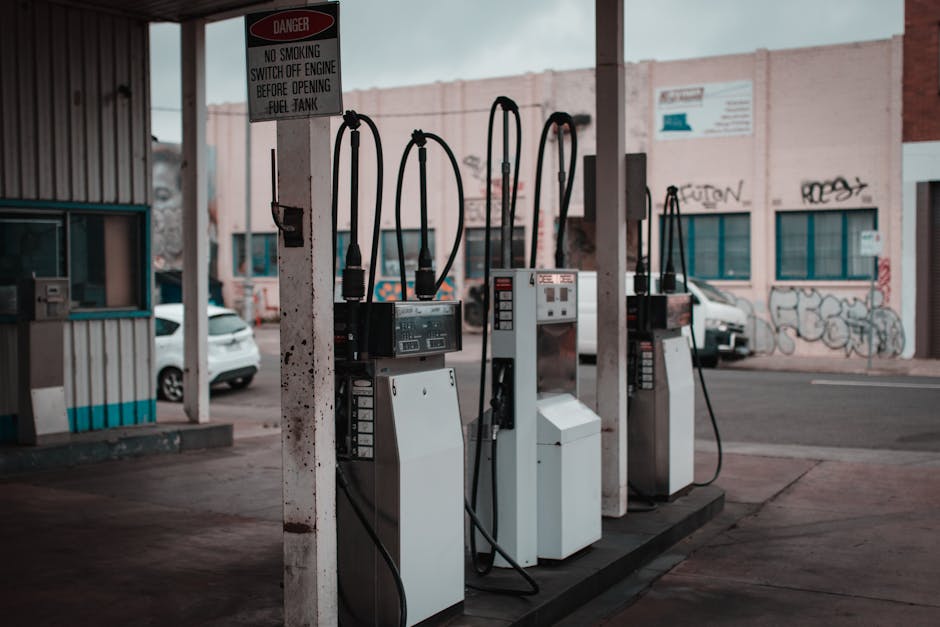
- Global oil prices surged past $95 per barrel due to Iran-related hostilities in the Strait of Hormuz.
- Electric vehicle demand spiked globally, with EV sales rising 68% in Australia and 92% in Vietnam.
- The Iran conflict has accelerated the transition toward electrification, driven by urgent energy security concerns.
- Households and governments are seeking alternatives to oil-dependent transportation due to rising fuel costs.
- Governments are reinforcing the pivot to electric vehicles with tax incentives and infrastructure investments.
The latest escalation in Iran-related hostilities in the Strait of Hormuz has sent global oil prices surging past $95 per barrel—a near seven-month high—triggering a wave of consumer anxiety at the pump and a corresponding spike in electric vehicle purchases across Asia-Pacific and beyond. In Australia, EV sales rose 68% year-on-year in the first quarter of 2024, while Vietnam saw a 92% increase in registrations of electric two-wheelers and passenger cars combined. As shipping lanes face disruptions and insurance costs for oil tankers double, the economic calculus for internal combustion engines is rapidly changing. What was once a gradual transition toward electrification is now being propelled by urgent energy security concerns, with households and governments alike seeking alternatives to oil-dependent transportation.
Why Fuel Volatility Is Reshaping Mobility

The connection between Middle East instability and global fuel markets is nothing new, but the speed and scale of the current shift toward electric vehicles reflect deeper structural changes in consumer behavior and policy. Unlike previous oil shocks—such as those in the 1970s or 2008—today’s markets are far more sensitive to sustained price volatility due to the availability of viable, mass-market EV alternatives. Governments, too, are reinforcing this pivot: Australia recently expanded tax incentives for EV purchases, while Vietnam has fast-tracked infrastructure for charging stations in major cities. The war in Ukraine had already set the stage for energy diversification, but the renewed conflict involving Iran, a key oil producer and regional power, has intensified fears of a full-blown supply crunch. With Brent crude flirting with $100, the economic argument for EVs has become compelling even in nations without strong climate mandates.
Regional Surge in EV Adoption

In Australia, where petrol prices have climbed above AUD $2.20 per liter in major cities like Sydney and Melbourne, dealerships report unprecedented demand for models such as the Tesla Model Y and Hyundai Ioniq 5. The country’s federal government estimates that over 15% of new car sales in 2024 will be electric, up from just 7% in 2023. Meanwhile, in Vietnam, two-wheeled electric vehicles—already popular in urban centers—are experiencing explosive growth, with VinFast, the country’s homegrown EV maker, doubling production capacity at its Hai Phong plant. Even Southeast Asia’s ride-hailing platforms, including Grab and Gojek, are transitioning fleets to electric scooters and cars to cut operational costs. These shifts are not limited to Asia: data from Reuters shows rising EV inquiries in South Africa, Turkey, and Latin America, all markets highly exposed to imported oil.
Geopolitics Meets Energy Economics
The root of the current crisis lies in repeated attacks on oil infrastructure and shipping in the Persian Gulf, including drone strikes on tanker convoys and Iranian seizures of vessels accused of violating sanctions. These actions, whether state-sponsored or carried out by allied militias, have disrupted flows through the Strait of Hormuz, through which nearly 20% of the world’s oil passes. Insurers have responded by hiking premiums for vessels transiting the area, costs that are ultimately passed on to consumers. According to the BBC, maritime risk assessments now rank the region as ‘high alert,’ with some shipping firms rerouting vessels around Africa—an 11-day detour that further strains supply chains. Analysts at the International Energy Agency warn that even a short-term closure of the strait could push oil above $120 per barrel, triggering deeper economic shocks. In this environment, EVs are increasingly seen not just as environmental tools but as tools of economic resilience.
Who Benefits and Who’s at Risk?
The surge in EV demand disproportionately benefits countries with strong domestic manufacturing and renewable energy integration. China, already the world’s largest EV producer, stands to gain from increased exports to emerging markets. Meanwhile, oil-dependent economies such as Nigeria, Angola, and even Gulf states with limited diversification face mounting fiscal pressure if high prices suppress long-term demand. For consumers in middle-income nations, the switch to EVs can reduce household spending on transport by up to 40%, according to World Bank estimates. However, challenges remain: grid capacity in countries like Vietnam and Indonesia may struggle to support mass electrification, and battery supply chains are still vulnerable to geopolitical bottlenecks. Workers in traditional auto and refining sectors also face displacement, raising social equity concerns that governments must address through retraining and transition policies.
Expert Perspectives
“This isn’t just about climate anymore—this is energy security,” says Dr. Lena Patel, energy policy fellow at the Asia-Pacific Institute for Global Affairs. “Consumers are waking up to the fact that their fuel bills are hostage to conflicts thousands of miles away.” Others urge caution. “EVs are part of the solution, but we can’t ignore the mineral dependencies and grid limitations,” warns Carlos Mendez, an infrastructure analyst at the International Renewable Energy Agency. While most experts agree that high oil prices accelerate electrification, some warn against overreliance on battery technologies that depend on concentrated supplies of lithium and cobalt, which pose their own geopolitical risks.
Looking ahead, the trajectory of EV adoption will hinge not only on the duration of the Iran conflict but on how governments respond. Will emergency fuel subsidies delay the transition, or will leaders double down on electrification as a strategic imperative? With OPEC+ maintaining tight supply controls and global inventories low, oil market volatility is likely to persist. The question is no longer if the world will go electric—but how quickly, and who will lead the charge.
Source: Al Jazeera