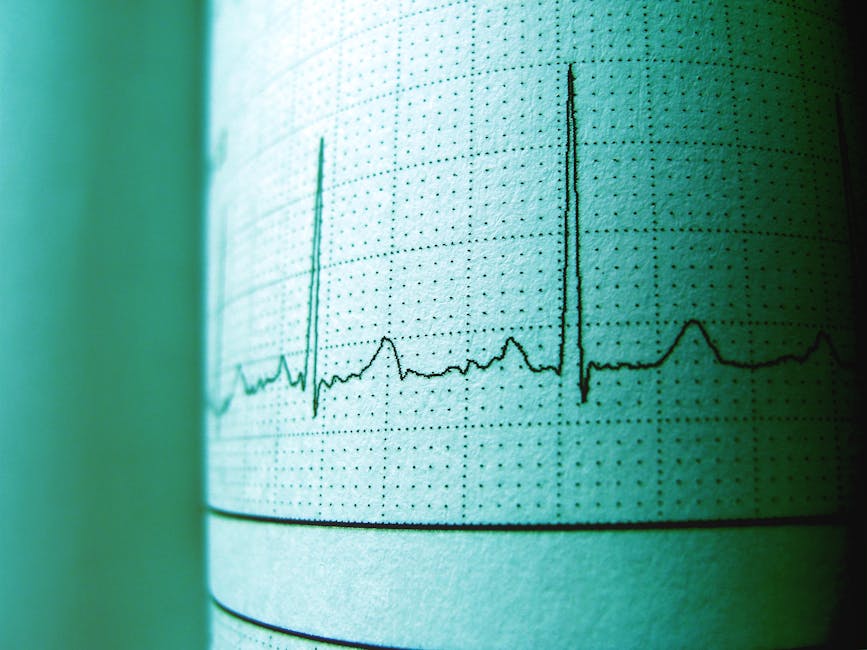
- Heart rate variability (HRV) reflects the variation in time between each heartbeat and can indicate mental health conditions like stress and depression.
- HRV is influenced by the autonomic nervous system, specifically the balance between the sympathetic and parasympathetic branches.
- Smartwatches and fitness trackers use HRV to track stress levels and provide insights into an individual’s physiological response to stress.
- HRV can potentially serve as a diagnostic tool for mental health conditions and a way to monitor mental well-being.
- The ‘rest and digest’ response (parasympathetic) increases HRV, while the ‘fight or flight’ response (sympathetic) decreases it.
Did you know that your heart rate variability, or the variation in time between each heartbeat, can be a powerful indicator of your mental health? With the rise of smartwatches and fitness trackers, heart rate variability has become a commonly used metric to monitor stress levels. But what does it actually tell us about our mental well-being? Research suggests that heart rate variability can not only indicate stress levels but also predict and diagnose depression, offering a potential tool for improving mental health.
The Science Behind Heart Rate Variability

Heart rate variability is the physiological phenomenon of variation in the time interval between heartbeats. It is controlled by the autonomic nervous system, which regulates the body’s unconscious actions, such as breathing and heart rate. When we are stressed or anxious, our sympathetic nervous system, also known as the ‘fight or flight’ response, is triggered, causing our heart rate to increase and heart rate variability to decrease. On the other hand, when we are relaxed, our parasympathetic nervous system, or ‘rest and digest’ response, is dominant, leading to a slower heart rate and increased heart rate variability.
Monitoring Stress With Heart Rate Variability

Smartwatches and fitness trackers often use heart rate variability to monitor stress levels. By tracking changes in heart rate variability, these devices can provide insights into our physiological response to stress. For example, a decrease in heart rate variability may indicate that we are experiencing chronic stress, while an increase may suggest that we are recovering from a stressful event. However, heart rate variability is not just a simple measure of stress; it can also provide information about our emotional and mental state. Research has shown that individuals with depression tend to have lower heart rate variability than those without the condition.
Predicting And Diagnosing Depression
Studies have found that heart rate variability can be a useful tool in predicting and diagnosing depression. By analyzing heart rate variability data, researchers can identify patterns that are associated with depression. For example, a study published in the Journal of Affective Disorders found that individuals with lower heart rate variability were more likely to experience depressive symptoms. Another study published in the journal Psychosomatic Medicine found that heart rate variability was lower in individuals with depression than in those without the condition. These findings suggest that heart rate variability may be a valuable metric in identifying individuals at risk of depression and monitoring treatment response.
Implications For Mental Health
The implications of heart rate variability for mental health are significant. If heart rate variability can be used to predict and diagnose depression, it may also be possible to use it to monitor treatment response and adjust treatment plans accordingly. Additionally, heart rate variability may provide insights into the physiological mechanisms underlying depression, allowing for the development of new treatments. Furthermore, heart rate variability may be a useful tool in promoting mental health and well-being more generally. By monitoring heart rate variability, individuals can gain insights into their physiological response to stress and take steps to manage their stress levels and promote relaxation.
Expert Perspectives
Experts in the field of psychophysiology and mental health agree that heart rate variability is a valuable metric in understanding mental health. According to Dr. Helen Thomson, a columnist and expert in the field, ‘heart rate variability is a window into our mental health, providing insights into our physiological response to stress and our emotional state.’ However, other experts caution that heart rate variability should not be used as a sole diagnostic tool for depression, but rather as one aspect of a comprehensive diagnostic approach.
As research continues to uncover the relationship between heart rate variability and mental health, it is likely that we will see the development of new treatments and interventions that utilize heart rate variability data. One open question is how heart rate variability will be integrated into clinical practice, and whether it will become a standard tool in the diagnosis and treatment of depression. As we look to the future, it is clear that heart rate variability has the potential to revolutionize our understanding of mental health and provide new insights into the complex relationships between our physical and mental well-being.