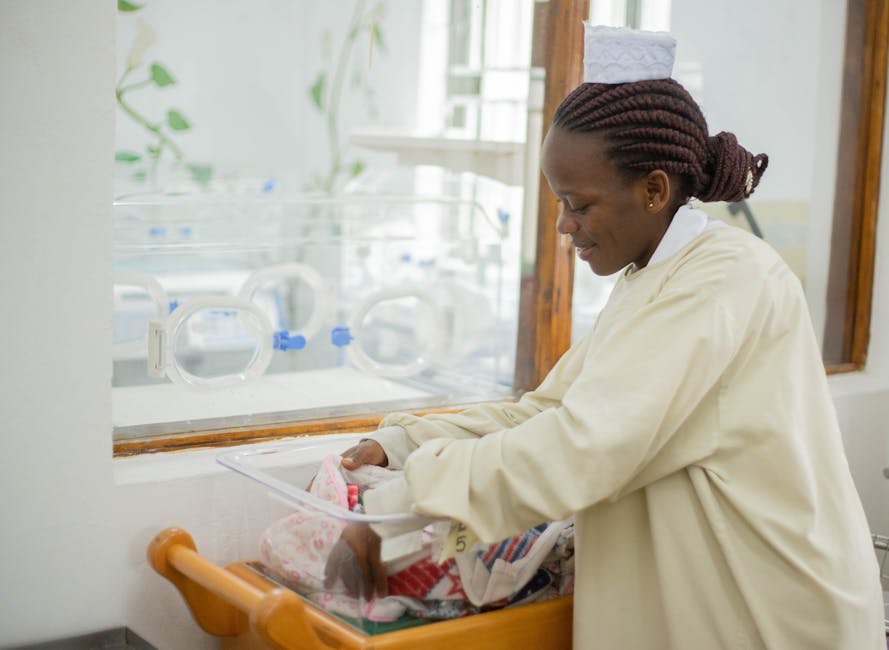
- A new malaria treatment has been prequalified by the WHO for infants as young as two kilograms, filling a critical gap in pediatric care.
- The treatment, a dispersible, low-dose formulation of artemether-lumefantrine, promises to reduce mortality among the youngest patients in malaria-endemic regions.
- Malaria remains a persistent threat to child survival in tropical and subtropical regions, particularly in sub-Saharan Africa.
- The lack of age-appropriate formulations for infants has led to inaccurate dosing, safety risks, and poor adherence to treatment.
- The new treatment addresses a long-standing need for a standardized, safe, and easy-to-administer antimalarial for neonates and infants under five kilograms.
Every year, more than 600,000 people die from malaria, with children under five accounting for nearly 80% of all deaths in sub-Saharan Africa. For decades, treatment options for the tiniest and most vulnerable patients — newborns and infants weighing as little as two kilograms — have been severely limited due to a lack of age-appropriate formulations. Now, in a landmark decision ahead of World Malaria Day on 25 April, the World Health Organization (WHO) has prequalified the first-ever malaria treatment specifically developed for this high-risk group: a dispersible, low-dose formulation of artemether-lumefantrine. This breakthrough fills a critical gap in pediatric malaria care and promises to significantly reduce mortality among the youngest patients in malaria-endemic regions.
A Lifesaving Gap in Pediatric Care

Malaria remains one of the most persistent threats to child survival in tropical and subtropical regions, particularly across sub-Saharan Africa. While effective artemisinin-based combination therapies (ACTs) have long been available for older children and adults, dosing for infants has traditionally involved splitting adult tablets — a practice fraught with inaccuracy, safety risks, and poor adherence. Until now, no WHO-prequalified antimalarial existed specifically for neonates and infants under five kilograms, leaving health providers to improvise with suboptimal methods. The lack of a standardized, safe, and easy-to-administer treatment has contributed to preventable deaths, especially in rural clinics with limited medical oversight. The new formulation addresses this gap by offering a dispersible tablet that dissolves in water, enabling precise dosing and simpler administration even in low-resource settings.
Artemether-Lumefantrine for Infants: What’s New

The newly prequalified treatment is a pediatric formulation of artemether-lumefantrine, the most widely used ACT globally. Developed through a collaboration between the WHO, Medicines for Malaria Venture (MMV), and quality-certified manufacturers, the dispersible tablet comes in a 15/90 mg strength specifically calibrated for infants weighing between two and five kilograms. It can be taken orally, even by infants who cannot swallow pills, as it dissolves quickly in a small amount of water. Clinical trials conducted in multiple African countries demonstrated high efficacy — over 95% cure rates — with a favorable safety profile consistent with that of older children. The prequalification means that UN agencies and global procurement bodies like UNICEF and the Global Fund can now purchase and distribute the medicine with confidence in its quality, accelerating rollout across high-burden nations.
Why This Approval Matters Now
The timing of this prequalification is critical. Despite progress over the past two decades, malaria case numbers have plateaued, and in some regions, they are rising due to insecticide resistance, funding gaps, and health system disruptions from conflicts and pandemics. Infants under six months have long been a blind spot in malaria control; they are less likely to be tested and treated promptly due to atypical symptoms and lack of approved drugs. According to the WHO, expanding access to appropriate antimalarials for this group could prevent tens of thousands of deaths annually. Moreover, the approval coincides with broader efforts to integrate malaria care into routine newborn and maternal health services, strengthening primary care systems. With climate change potentially expanding the geographic reach of malaria-carrying mosquitoes, having tools tailored to the youngest patients is no longer optional — it is a public health imperative.
Global Impact on Child Survival
The introduction of a safe, prequalified treatment for newborns stands to transform care in countries where malaria is endemic, particularly in Nigeria, the Democratic Republic of the Congo, and Uganda, which bear the highest burden of pediatric malaria. Community health workers, who often serve as the first point of contact in remote areas, will now have a reliable tool to treat infants without needing to refer them to distant hospitals. This could drastically reduce delays in care, a major contributor to mortality. Beyond survival, effective early treatment may also reduce the long-term neurodevelopmental impacts associated with severe malaria in infancy. As countries begin to roll out the new formulation, it will be integrated into national treatment guidelines and supplied through existing procurement channels, ensuring rapid and equitable access.
Expert Perspectives
“This is a watershed moment for pediatric malaria care,” said Dr. Pedro Alonso, Director of the WHO Global Malaria Programme, in a statement. “For the first time, we have a quality-assured, life-saving treatment for the smallest and most vulnerable.” Other experts echo this sentiment, noting that the development sets a precedent for future pediatric drug formulations. However, some public health analysts caution that availability does not automatically translate to access. “Supply chains, training, and diagnostics must keep pace,” warned Dr. Sheila Wairimu, a malaria researcher at Nature Medicine. “Without point-of-care tests to confirm malaria in infants, there’s a risk of over- or under-treatment.”
Looking ahead, the focus will shift to scaling up distribution and ensuring that frontline health workers are trained in the proper use of the new formulation. The WHO is also working to prequalify additional pediatric antimalarials, including drugs for severe malaria in infants. As new tools like the RTS,S and R21 vaccines enter rollout phases, the combination of prevention, diagnosis, and now age-specific treatment could mark the beginning of a new era in malaria control. The ultimate question remains: can health systems in the most affected countries deliver these innovations to every infant who needs them? The answer will determine not just the trajectory of malaria, but the future of child health equity worldwide.
Source: WHO