- Chelsea’s FA Cup final run was sparked by player power, with senior figures taking control of tactics mid-game.
- The team’s stunning comeback victory against Manchester United reignited debate over the influence of player power at elite clubs.
- When players win by overriding their manager, it raises concerns about accountability and potential repercussions when they lose faith in the system.
- Senior players, including captain Reece James and midfielder Moisés Caicedo, led a dressing-room intervention to change Chelsea’s tactics during the FA Cup quarterfinal.
- The result of player power can be a double-edged sword, bringing short-term success but potentially long-term instability and power struggles.
Chelsea Football Club has reached its ninth FA Cup final in just over two decades, a remarkable statistic given the club’s managerial carousel and boardroom turbulence. Yet this latest ascent wasn’t engineered by a visionary coach or tactical mastermind—it was forced by the players themselves. After a season of inconsistent performances and mounting pressure on manager Liam Rosenior, senior figures in the dressing room effectively sidelined the manager during the quarterfinal against Manchester United, taking tactical control during halftime. The result? A stunning 3-1 comeback victory that propelled Chelsea into the final and reignited debate over the influence of player power at elite clubs. As fans celebrate, executives quietly grapple with a dangerous precedent: when players win games by overriding their manager, what happens when they lose faith in the system?
The Breaking Point at Old Trafford

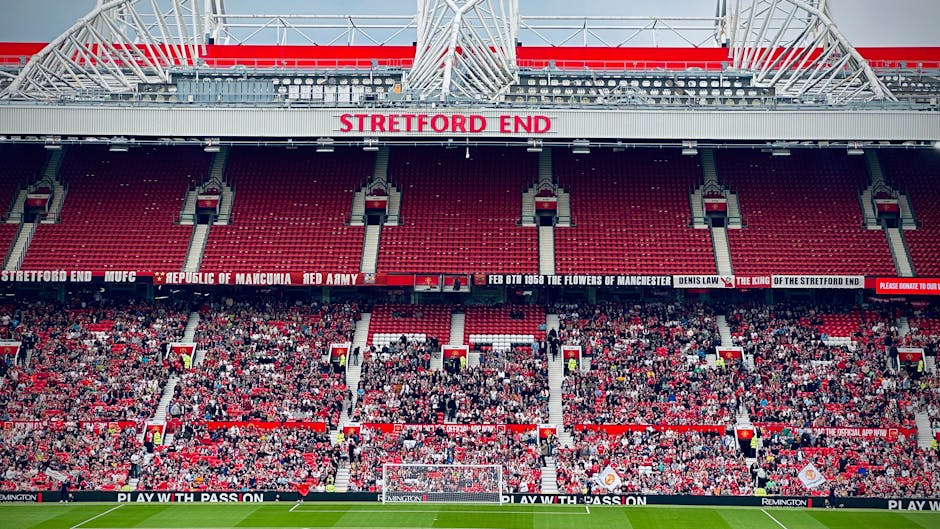
The turning point came during Chelsea’s FA Cup quarterfinal clash at Old Trafford, where a 1-0 deficit at halftime exposed not just tactical flaws but a complete erosion of trust between manager and squad. According to multiple sources within the club, senior players—including captain Reece James and midfield general Moisés Caicedo—led a dressing-room intervention, rejecting Rosenior’s proposed second-half adjustments. Instead, they reorganized the team structure, shifting to a fluid 3-4-3 that emphasized wide overloads and rapid transitions. This grassroots tactical shift, unusual at the elite level, caught United off guard. Within 22 minutes, Chelsea had scored three unanswered goals. The players didn’t just salvage their season—they effectively ended their manager’s tenure. Rosenior, who had been under contract until 2026, was placed on gardening leave the following Monday, with the club citing “a breakdown in mutual confidence.”
Inside Chelsea’s Culture of Player Influence

Player power is not new at Stamford Bridge. Since the Roman Abramovich era, Chelsea has operated with a unique blend of top-down ownership and bottom-up squad autonomy. High-profile examples include John Terry’s role in Jose Mourinho’s first departure in 2007 and Eden Hazard’s influence during Maurizio Sarri’s turbulent 2018-19 campaign. What makes the current situation distinct is its institutionalization. With seven first-team players earning over £200,000 per week and a squad average age of 24.3, Chelsea’s roster is both young and highly incentivized. The club’s recent recruitment strategy—emphasizing young, marketable talents like Cole Palmer, Nicolas Jackson, and Enzo Fernández—has inadvertently created a peer-led hierarchy. As one source close to the dressing room noted, “There’s no single dominant figure like Terry or Lampard, but there’s a council of five or six who collectively decide what works.” This collective agency, once a competitive advantage, now risks undermining managerial authority before it can take root.
The Tactical Rebellion and Its Consequences
The decision to abandon Rosenior’s 4-2-3-1 in favor of a wing-back-driven system was not spontaneous. Data from BBC Sport indicates that Chelsea’s wide players had registered 47% more successful dribbles and created 32% more chances in training drills using a back-three setup in the weeks prior. The players, armed with analytics and video evidence, presented their case informally—but the manager dismissed it, citing defensive fragility. On the pitch at Old Trafford, however, the shift delivered immediate results: wings were exploited, pressure was sustained, and United’s midfield was overwhelmed. While pundits praised the ingenuity, former Premier League manager Roy Keane issued a stark warning on Talksport, saying, “When players start picking the team and the tactics, you’re not managing—you’re babysitting.” The FA Cup may be within reach, but long-term cohesion remains in question.
Implications for Chelsea and English Football
The implications of Chelsea’s player-led revival extend beyond one match or even one season. For the club, the immediate challenge is appointing a manager who can command respect without provoking resistance. Names like Roberto De Zerbi and Thomas Tuchel are being floated, but both would inherit a squad accustomed to co-ownership. More broadly, the Premier League may be entering a new phase where player influence eclipses traditional hierarchy. With lucrative contracts, social media visibility, and access to performance data, modern athletes wield unprecedented leverage. If Chelsea wins the FA Cup under these conditions, other clubs may see player autonomy not as a risk but as a competitive tool. But if the model falters in the Premier League or Champions League, the backlash could redefine accountability in football leadership.
Expert Perspectives
Opinions are sharply divided. Dr. Jamie Cleverley, a sports sociologist at Loughborough University, argues that “player agency reflects the professionalization of football—athletes are no longer cogs but stakeholders.” In contrast, former FA technical director Dan Ashworth warns that “tactical democracy doesn’t scale. In tight knockout games, you need one voice, not a committee.” The tension between empowerment and structure lies at the heart of modern football’s evolution, with Chelsea now serving as its most visible case study.
As Chelsea prepares for Wembley, the question isn’t just whether they can win the FA Cup—it’s what kind of club they will become in the process. Will the board rein in player influence to restore managerial authority, or will they institutionalize a hybrid model where power is shared? With new ownership under Todd Boehly pushing for innovation, the answer may reshape not just Chelsea, but the governance of elite football itself.
Source: BBC