- The Breakwave Tanker Shipping ETF (BWET) has surged over 600% since 2024, outperforming traditional energy stocks and crude oil futures.
- Escalating U.S.-Iran tensions and Red Sea attacks have led to skyrocketing freight rates, benefiting tanker companies.
- BWET has become a bellwether for supply chain stress and energy market fragility.
- The shift in investor positioning highlights a bottleneck in transportation, rather than production or refining.
- The Cape of Good Hope route has become a critical oil trade route, increasing voyage times by 10-14 days.
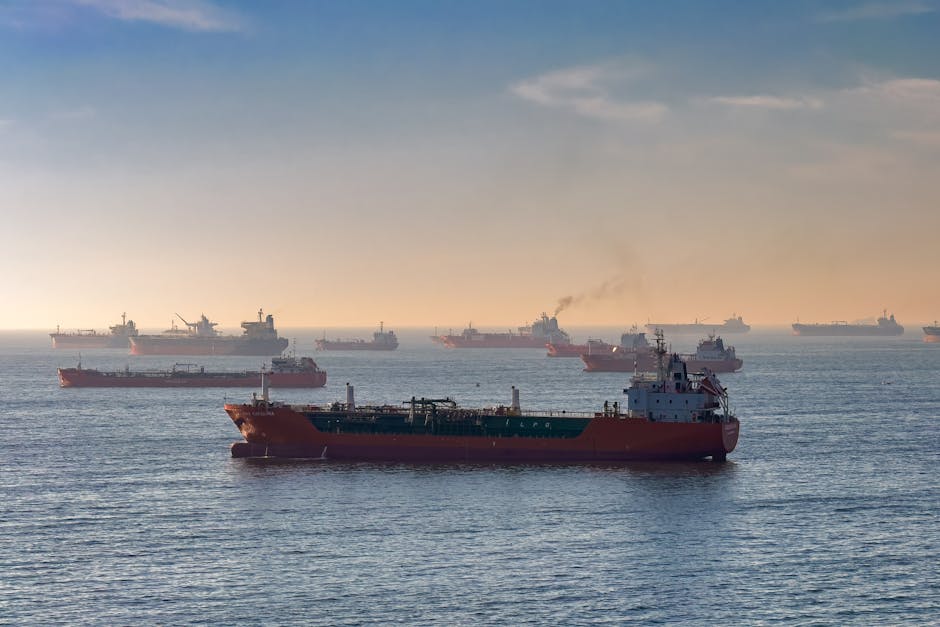
Amid escalating U.S.-Iran tensions and attacks on commercial shipping in the Red Sea, the Breakwave Tanker Shipping ETF (BWET) has surged over 600% since the start of 2024—dwarfing the performance of traditional energy stocks and even crude oil futures. While West Texas Intermediate crude has gained around 12% year-to-date and major energy firms like ExxonMobil have seen modest single-digit growth, BWET has emerged as the most explosive asset class in the current geopolitical climate. The fund, which tracks the performance of mid- and long-range tanker companies, has benefited from skyrocketing freight rates as global oil trade routes are rerouted around Africa to avoid Houthi attacks in the Bab el-Mandeb Strait. This quiet ETF, with under $200 million in assets, has become a bellwether for supply chain stress and energy market fragility.
Why Tankers, Not Oil, Are the Real Geopolitical Play

The surge in BWET underscores a shift in how investors are positioning for energy-related geopolitical risk. Traditionally, rising tensions in the Middle East prompted direct investments in oil futures or shares of integrated oil majors. But in 2024, the bottleneck is not in production or refining—it’s in transportation. With over 12% of global seaborne oil trade passing through the Red Sea annually, attacks by Yemen-based Houthi militants have forced shipping companies to take the longer Cape of Good Hope route, increasing voyage times by 10 to 14 days. This logistical strain has sent tanker charter rates to levels not seen since 2008. According to data from Clarksons Research, average daily earnings for Very Large Crude Carriers (VLCCs) have surged from $25,000 to over $200,000 in just six months. The result? A windfall for tanker operators and a structural edge for BWET over conventional energy equities.
Who’s Behind the BWET Explosion?

The Breakwave Tanker Shipping ETF, launched in 2021, holds a concentrated portfolio of 15 to 20 global shipping firms, including Frontline, Euronav, and DHT Holdings—all major players in the crude tanker market. These companies own and operate VLCCs and Suezmax tankers that transport oil from the Middle East to Asia, Europe, and the Americas. As insurers raise premiums for Red Sea transits and charterers scramble for alternative routes, tanker owners are able to command premium rates. BWET’s structure allows investors to gain leveraged exposure to these rate spikes without owning physical vessels or futures contracts. The fund’s low expense ratio of 0.95% and real-time NAV pricing have also attracted institutional flows. Notably, BlackRock and Capital Research have increased stakes in several underlying holdings, signaling growing confidence in the sector’s durability.
Supply, Demand, and the Suez Bypass Effect
The fundamental driver behind BWET’s rally is a sudden, sustained imbalance in tanker supply and demand. With voyages taking up to twice as long due to rerouting, the effective capacity of the global tanker fleet has shrunk by an estimated 20%, according to Reuters. At the same time, oil demand in Asia—particularly China and India—has rebounded, increasing the need for long-haul shipments. The International Energy Agency (IEA) reported that seaborne crude trade rose by 1.3 million barrels per day in the first quarter of 2024. With limited new tanker deliveries expected before 2025, the supply crunch is likely to persist. Analysts at Jefferies estimate that for every 10 days added to a tanker’s round-trip journey, one additional VLCC is effectively removed from circulation—tightening the market further.
Who Wins and Who Pays the Price?
The implications of soaring tanker rates are unevenly distributed. Owners of modern, fuel-efficient tankers are reaping record profits, while smaller operators with older, less efficient vessels face higher costs and lower margins. Consumers may eventually feel the pinch through higher fuel prices, as transportation costs are passed down the supply chain. Refiners in Europe and Asia that rely on timely crude deliveries could face operational delays. Meanwhile, oil-exporting nations like Saudi Arabia and Iraq are absorbing higher shipping costs to maintain market share. For investors, BWET offers a pure-play hedge against prolonged disruption, but it also carries significant volatility. A diplomatic resolution in the Red Sea or reduced Houthi activity could trigger a sharp reversal in freight rates and, by extension, the ETF’s value.
Expert Perspectives
Market analysts are divided on whether BWET’s gains are sustainable. “This is not a bubble—it’s a reflection of real-world capacity constraints,” argues Laura Lopez, shipping analyst at Jefferies. “Until the Red Sea is safe, tanker rates will remain elevated.” Conversely, Morgan Stanley’s energy strategist, Martijn Rats, cautions that “tanker equities are cyclical and prone to overreaction. History shows that rate spikes often precede steep corrections once bottlenecks clear.” Some economists also warn that prolonged shipping disruptions could dampen global trade volumes, affecting broader economic growth.
Looking ahead, investors will monitor Houthi activity, U.S. naval operations in the region, and OPEC+ supply decisions. Any de-escalation in the Middle East could cool tanker rates, while further attacks may extend BWET’s rally. With new tanker orders still below replacement levels, the market may remain tight through 2025. For now, BWET stands as a stark reminder that in global markets, control of the route can be more valuable than control of the resource.
Source: CNBC