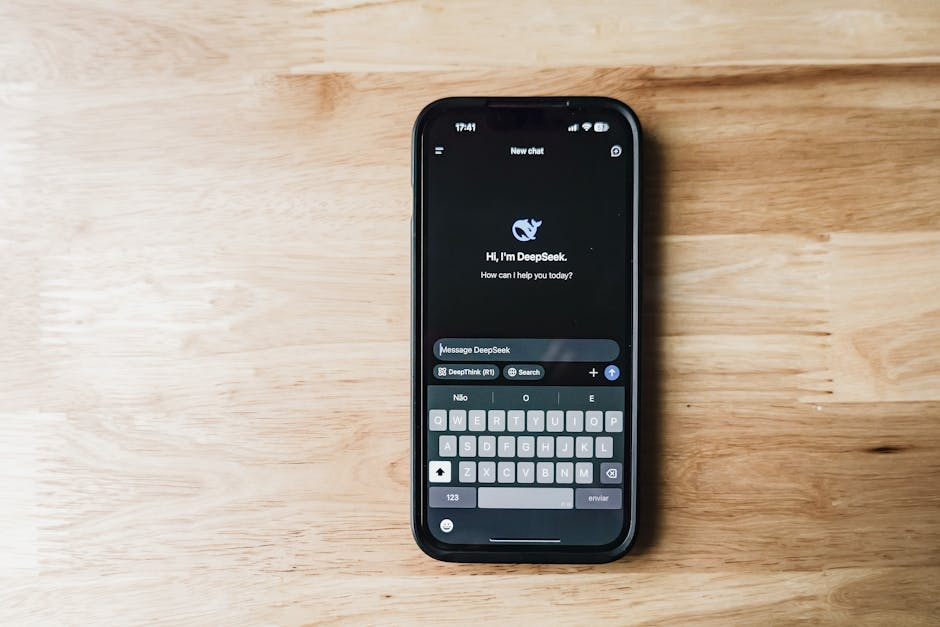
- AI-powered chatbots are providing a new approach to mental health support, offering personalized and empathetic responses.
- A 10-minute chatbot session can yield more closure than 4 years of traditional therapy, highlighting the potential of AI in mental health.
- AI chatbots are emerging as a viable alternative to traditional therapy, providing a safe and non-judgmental space for individuals to express themselves.
- Natural language processing (NLP) and machine learning algorithms enable AI chatbots to understand and respond to users’ concerns effectively.
- The limitations of traditional therapy, including time and cost constraints, are driving the adoption of AI-powered chatbots in mental health support.
The world of therapy has witnessed a significant shift in recent years, with the advent of artificial intelligence (AI) and its applications in mental health support. A striking example of this shift is the story of an individual who, after using an AI-powered chatbot for just 10 minutes, experienced more closure on their divorce than they had after 4 years of traditional therapy. This phenomenon raises important questions about the role of technology in modern therapy and its potential to revolutionize the way we approach mental health support. With AI chatbots capable of providing personalized and empathetic responses, individuals are turning to these digital tools for help with processing their emotions and navigating complex life events.
The Rise of AI in Mental Health Support

The increasing popularity of AI-powered chatbots in mental health support is a testament to the growing recognition of the importance of technology in addressing mental health concerns. As individuals become more comfortable sharing their personal struggles with digital platforms, AI chatbots are emerging as a viable alternative to traditional therapy. These chatbots use natural language processing (NLP) and machine learning algorithms to understand and respond to users’ concerns, providing a safe and non-judgmental space for individuals to express themselves. The background to this trend is rooted in the limitations of traditional therapy, which can be time-consuming, expensive, and often inaccessible to those who need it most.
A 10-Minute Session with Profound Results

The story of the individual who used an AI chatbot to process their divorce is a compelling example of the potential of AI in mental health support. After years of traditional therapy, this person found themselves still struggling to come to terms with the end of their relationship. However, a single 10-minute session with an AI chatbot provided them with a sense of closure and permission to move on with their life. This outcome is not an isolated incident, as many individuals are reporting similar experiences with AI-powered therapy. The key details of this story highlight the ability of AI chatbots to provide personalized and empathetic support, which can be tailored to an individual’s specific needs and circumstances.
Unpacking the Causes and Effects
The causes of this phenomenon are complex and multifaceted, involving the interplay of technological advancements, societal shifts, and the evolving needs of individuals seeking mental health support. On one hand, the development of sophisticated NLP and machine learning algorithms has enabled AI chatbots to understand and respond to human emotions with greater accuracy and empathy. On the other hand, the increasing demand for accessible and affordable mental health support has created a fertile ground for the growth of AI-powered therapy. The effects of this trend are far-reaching, with the potential to increase access to mental health support, reduce the stigma associated with therapy, and provide individuals with a sense of control and agency over their mental wellbeing.
Implications for the Future of Therapy
The implications of AI-powered therapy are profound, with the potential to transform the way we approach mental health support. As AI chatbots become more sophisticated and widely available, they may provide a viable alternative to traditional therapy for individuals who are struggling to access or afford conventional support. Furthermore, the ability of AI chatbots to provide personalized and empathetic responses may help to address the growing need for mental health support, particularly among marginalized communities. However, it is essential to recognize that AI-powered therapy is not a replacement for human therapy, but rather a complementary tool that can be used in conjunction with traditional support.
Expert Perspectives
Experts in the field of mental health support are weighing in on the potential of AI-powered therapy, with some hailing it as a revolutionary development and others expressing caution about its limitations. While some argue that AI chatbots can provide a safe and non-judgmental space for individuals to express themselves, others point out that human therapy offers a depth and complexity of emotional support that may be difficult to replicate with digital tools. As the debate continues, it is clear that AI-powered therapy is here to stay, and its implications for the future of mental health support will be closely watched.
As we look to the future, it is essential to consider the open question of how AI-powered therapy will evolve and intersect with traditional support. Will AI chatbots become an integral part of our mental health ecosystem, or will they remain a niche tool for those who are seeking alternative forms of support? The answer to this question will depend on a variety of factors, including the development of more sophisticated AI algorithms, the growth of digital literacy among mental health professionals, and the evolving needs and preferences of individuals seeking mental health support. One thing is certain, however: the rise of AI-powered therapy marks an exciting and unprecedented era in the history of mental health support, with the potential to transform lives and provide individuals with the tools they need to thrive.