- Southwestern Iran and southern Iraq have seen a 60% increase in atmospheric particulates due to military strikes and industrial site damage.
- Conflict-related emissions in the Gulf region now rival those of medium-sized industrial nations during peacetime, according to a 2023 study.
- Pollutants from military activities are contaminating agricultural land, groundwater, and causing respiratory illnesses among border communities.
- The environmental damage from war often persists long after hostilities end, with evidence suggesting long-term impact can be devastating.
- Proxy warfare, drone strikes, and sabotage of industrial plants have released hazardous substances into fragile ecosystems in Iran and its neighboring regions.
In the shadow of escalating regional conflict involving Iran, a silent crisis is unfolding—one measured not in casualties but in poisoned soil, choked air, and dying wetlands. Satellite data from the past two years shows a 60% increase in atmospheric particulates across southwestern Iran and southern Iraq, coinciding with repeated military strikes, oil infrastructure fires, and damaged industrial sites. According to a 2023 study published in Nature Geoscience, conflict-related emissions in the Gulf region now rival those of medium-sized industrial nations during peacetime. These pollutants, including sulfur dioxide, nitrogen oxides, and carcinogenic polycyclic aromatic hydrocarbons (PAHs), are seeping into groundwater, contaminating agricultural land, and contributing to a surge in respiratory illnesses among border communities. The environmental toll of war is rarely counted in immediate aftermaths, but evidence suggests its damage persists long after hostilities end.
Why Environmental Damage Outlasts the Battlefield

The environmental consequences of armed conflict are often overshadowed by urgent humanitarian needs, but their long-term impact can be equally devastating. In the case of Iran and its neighboring regions, years of proxy warfare, drone strikes on oil facilities, and sabotage of industrial plants have released hazardous substances into fragile ecosystems. The Shadegan Wetlands, a UNESCO-protected marshland straddling Iran and Iraq, has seen a sharp decline in biodiversity due to oil runoff and reduced water flow from damaged irrigation systems. Military operations have also disrupted conservation efforts for endangered species like the Persian leopard and Mesopotamian marsh turtle. Unlike visible destruction, ecological degradation unfolds slowly, eroding food security, water quality, and public health over decades. With climate change already straining the region’s resources, experts warn that war-induced environmental collapse could become irreversible.
From Oil Fires to Toxic Runoff: The Contamination Chain

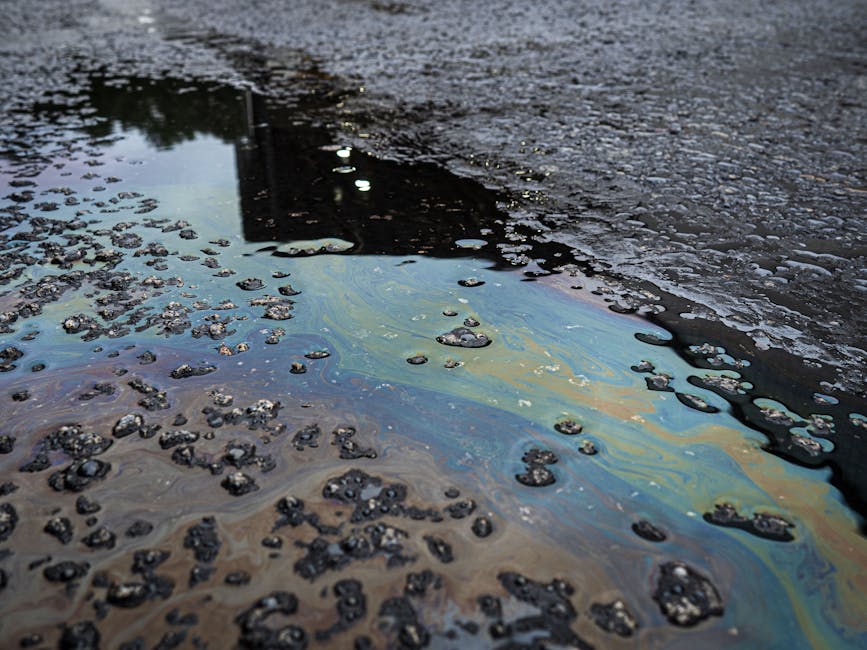
Key incidents over the past three years have accelerated environmental decline. In June 2022, a drone attack on an oil transfer terminal in Kharg Island triggered a massive fire that burned for 11 days, releasing an estimated 42,000 tons of CO₂ and black carbon into the atmosphere. Oil slicks from damaged pipelines have seeped into the Persian Gulf, affecting coral reefs and fisheries vital to coastal communities. In 2023, satellite imagery analyzed by the United Nations Environment Programme (UNEP) revealed plumes of toxic smoke from bombed petrochemical plants in Ahvaz, a city already ranked among the world’s most polluted. Military vehicles and munitions have further contaminated soil with heavy metals like lead and mercury, while unexploded ordnance hampers land rehabilitation. These events are not isolated; they form a chain of contamination that spreads through air, water, and food systems, disproportionately affecting rural and marginalized populations.
Root Causes: Conflict, Infrastructure, and Regulatory Collapse
The environmental crisis stems from a confluence of military action, aging infrastructure, and weakened environmental governance. Iran’s oil and gas facilities, many built in the 1970s, lack modern safety and containment systems, making them prone to large-scale spills during attacks. Sanctions have limited access to pollution control technology and environmental monitoring equipment, while skilled personnel have emigrated due to economic instability. Meanwhile, regional powers involved in proxy conflicts prioritize strategic objectives over ecological consequences. According to Dr. Leila Hassanpour, an environmental scientist at Tehran University, “Each strike creates a domino effect: fires release toxins, rain carries pollutants into rivers, and contaminated sediment enters the food chain.” Data from the World Health Organization (WHO) shows that asthma rates in Khuzestan Province have risen by 37% since 2020, directly linked to deteriorating air quality. Without coordinated intervention, the region risks a public health and ecological tipping point.
Who Bears the Cost? Communities and Ecosystems at Risk
The burden of environmental degradation falls hardest on vulnerable populations. Farmers in Iran’s Khuzestan region report declining crop yields due to saline and contaminated soil, while fishermen in the Persian Gulf have seen catches drop by up to 50% in some areas. Children in border towns show elevated blood lead levels, increasing risks of developmental disorders. Indigenous Ahwazi Arabs and Marsh Arabs in southern Iraq, already marginalized politically, face displacement as their lands become uninhabitable. Beyond human cost, entire ecosystems are at stake: mangrove forests that serve as natural storm barriers are dying, and migratory bird routes are being disrupted. The ripple effects extend to regional stability, as competition for clean water and arable land intensifies. Without remediation, today’s war zones could become tomorrow’s environmental wastelands.
Expert Perspectives
Opinions diverge on how to address the crisis. Some environmental security analysts, like Dr. James Touré of the International Crisis Group, argue that “environmental damage in conflict zones should be treated as a war crime under international law,” citing precedents like the 1991 Iraqi oil fires during the Gulf War. Others, such as Dr. Fatemeh Rostami of Sharif University, emphasize local resilience, advocating for community-led monitoring and low-cost filtration systems. Meanwhile, geopolitical realities limit enforcement; no international body currently has authority to investigate or penalize environmental warfare in the Iran context. The lack of consensus underscores the challenge of balancing accountability with diplomacy in ongoing conflicts.
Looking ahead, the world may need new frameworks to assess and mitigate wartime environmental harm. Advances in satellite monitoring and AI-driven pollution tracking offer tools for documentation, but political will remains the greatest barrier. Will future peace negotiations include environmental reparations? Can degraded lands be restored amid ongoing tensions? As climate vulnerability and conflict become increasingly intertwined, the answer may determine not only regional stability but the global precedent for ecological accountability in war.
Source: WIRED